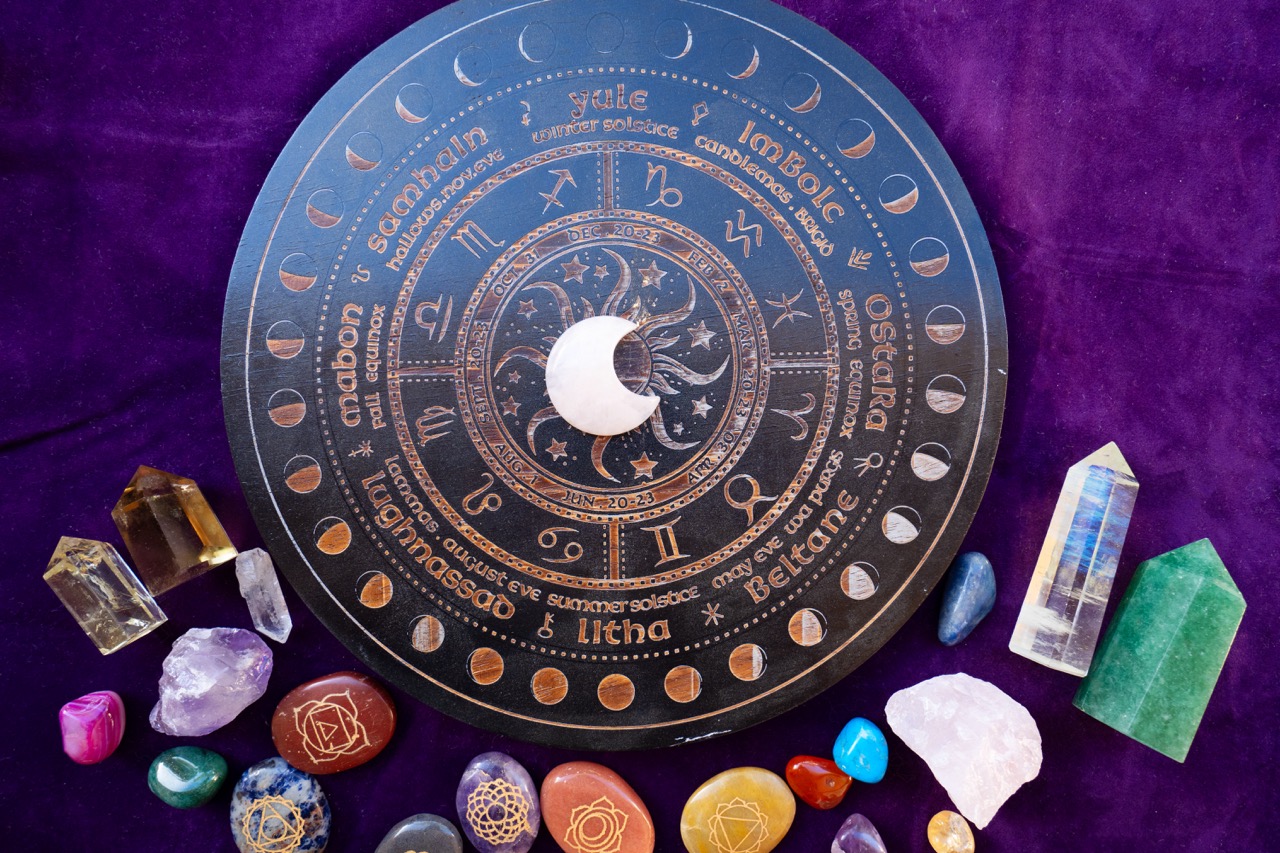

Astrology offers a lens through which we can understand ourselves and those around us, including children. By examining planetary influences and zodiac signs, we can gain insights into childhood development and personality traits. This exploration invites parents and caregivers to consider how cosmic energies can shape the formative years of a child’s life, providing a unique perspective on nurturing and guidance.
Understanding the Role of Planets in Childhood Growth
The planets in our solar system are believed to hold significant meanings in astrology, each embodying specific energies that can influence various aspects of life, including childhood development. For instance, the Moon is often associated with emotions and nurturing, making it central to a child’s emotional growth. A strong lunar influence in a child’s birth chart can indicate a need for emotional security and a deep connection to their caregiver, shaping their ability to form attachments and express feelings.
Additionally, the Sun represents identity and self-expression, crucial elements in the early years of life. A child’s Sun sign can provide insights into their core personality traits, revealing how they approach the world and interact with others. For example, a child with a Leo Sun may exhibit confidence and a desire for attention, while a Virgo Sun may lean towards being more reserved and analytical. Understanding these planetary roles can help caregivers nurture their child’s innate strengths and address challenges.
Moreover, the influence of outer planets—like Jupiter and Saturn—can signify broader developmental themes. Jupiter is often linked to growth, exploration, and learning, suggesting that children with a strong Jupiter presence might be naturally curious and eager to explore new concepts. Conversely, Saturn’s lessons around discipline and responsibility can help shape a child’s understanding of boundaries and structure. Together, these planetary influences provide a rich tapestry that illustrates the different dimensions of a child’s growth.
How Zodiac Signs Influence Early Personality Traits
Each zodiac sign carries distinct characteristics that can shape a child’s personality from an early age. For instance, Aries children are often energetic and adventurous, displaying a boldness that can lead them to take risks and explore their environment fearlessly. On the other hand, a child born under the sign of Cancer may exhibit a more nurturing and sensitive nature, often forming deep emotional bonds with family and friends.
Furthermore, the elemental associations of the zodiac signs—fire, earth, air, and water—can also offer insights into a child’s temperament. Fire signs (Aries, Leo, Sagittarius) are typically enthusiastic and passionate, while earth signs (Taurus, Virgo, Capricorn) tend to be practical and grounded. Air signs (Gemini, Libra, Aquarius) are often communicative and social, whereas water signs (Cancer, Scorpio, Pisces) are more intuitive and emotional. Recognizing these traits can empower parents to provide environments that align with their child’s natural inclinations.
In addition to these intrinsic characteristics, zodiac signs can also indicate how children may react to challenges or stress. For instance, a Scorpio child might exhibit resilience and determination in the face of obstacles, while a Libra child may seek harmony and balance to navigate conflicts. Understanding these tendencies allows caregivers to better support their children in developing coping strategies that align with their astrological makeup.
The Connection Between Cosmic Alignments and Developmental Stages
Astrology also suggests that specific cosmic alignments can significantly influence developmental milestones. For example, the presence of certain planets in a child’s chart during key life events, such as the first day of school or entering adolescence, can highlight themes of growth and transformation. Transiting planets can activate natal placements, prompting shifts in behavior, interests, and social dynamics.
For instance, during the early years when children are learning to communicate, a favorable Mercury transit might enhance their language skills and social interactions. Conversely, a challenging aspect from Saturn can bring lessons around patience and perseverance, teaching children the value of hard work in achieving their goals. These cosmic rhythms create a backdrop for understanding the ebbs and flows of childhood experiences.
Moreover, significant astrological events—such as eclipses or planetary retrogrades—can mark important turning points in a child’s life. For example, a child experiencing a Saturn return around age 28 may reflect on their foundational experiences from childhood, recognizing how early influences shaped their adult self. By observing these cosmic patterns, parents can foster deeper connections with their children, acknowledging the unique journeys each child navigates.
Using Astrology for Nurturing Children’s Unique Paths
Incorporating astrology into parenting can provide valuable insights into nurturing a child’s unique path. By analyzing a child’s birth chart, caregivers can identify strengths, challenges, and opportunities for growth. This understanding helps parents tailor their approach, allowing them to support their child’s individuality while fostering a strong sense of self-worth.
For example, if a child has a prominent Venus influence, they may thrive in creative pursuits or interpersonal relationships. Encouraging artistic expression or social activities can nurture their natural inclinations. Alternatively, a child with a strong Mars presence might benefit from physical activities that channel their energy constructively. Recognizing these traits empowers parents to create enriching environments that align with their child’s astrological profile.
Furthermore, astrology can promote open communication between parents and children. Discussing astrological insights can create a safe space for children to express their feelings and concerns, fostering self-awareness and emotional intelligence. By engaging with astrology as a tool for understanding, parents can help their children navigate the complexities of growing up, guiding them toward a path of self-discovery and fulfillment.
Astrology offers a profound framework for understanding childhood development through the lens of planetary influences and zodiac signs. By embracing these cosmic insights, parents can nurture their children’s unique personalities and support their growth in meaningful ways. As we explore the connections between celestial patterns and everyday life, we invite readers to consider astrology as a tool for fostering self-awareness and guiding children on their personal journeys. In doing so, we can create a more harmonious and supportive environment where each child is empowered to thrive.