Astrology, an ancient practice that examines the influence of celestial bodies on human affairs, often leaves many curious yet confused about its intricacies. Central to this mystique are the planets, each embodying unique energies that shape our personalities, relationships, and life experiences. However, the meanings attributed to these planets can be misinterpreted, leading to misconceptions that cloud our understanding. In this article, we will delve into the symbolism of each planet, explore common misinterpretations of their influences, and discuss how these celestial alignments can profoundly affect our daily lives, ultimately guiding us towards personal growth and self-discovery.
Understanding the Symbolism of Each Planet in Astrology
In astrology, each planet represents a distinct aspect of life and personality. For instance, Mercury governs communication and intellect, while Venus embodies love and beauty. Mars, on the other hand, is associated with action and ambition. Understanding these planetary symbols allows us to grasp the nuances of our birth charts, helping us to identify strengths and weaknesses inherent to our astrological makeup. Each planet’s placement in our charts offers insights into how we navigate the world, interact with others, and express our desires.
Beyond the personal, these planets connect us to larger cosmic themes. Jupiter, often viewed as the planet of abundance and growth, symbolizes our quest for knowledge and expansion. Saturn, in contrast, represents discipline, structure, and the lessons learned through challenges. This duality of planetary symbolism provides a comprehensive framework for understanding both the light and shadow aspects of our nature. Recognizing the energies of these celestial bodies encourages a deeper self-awareness and acceptance of our journey.
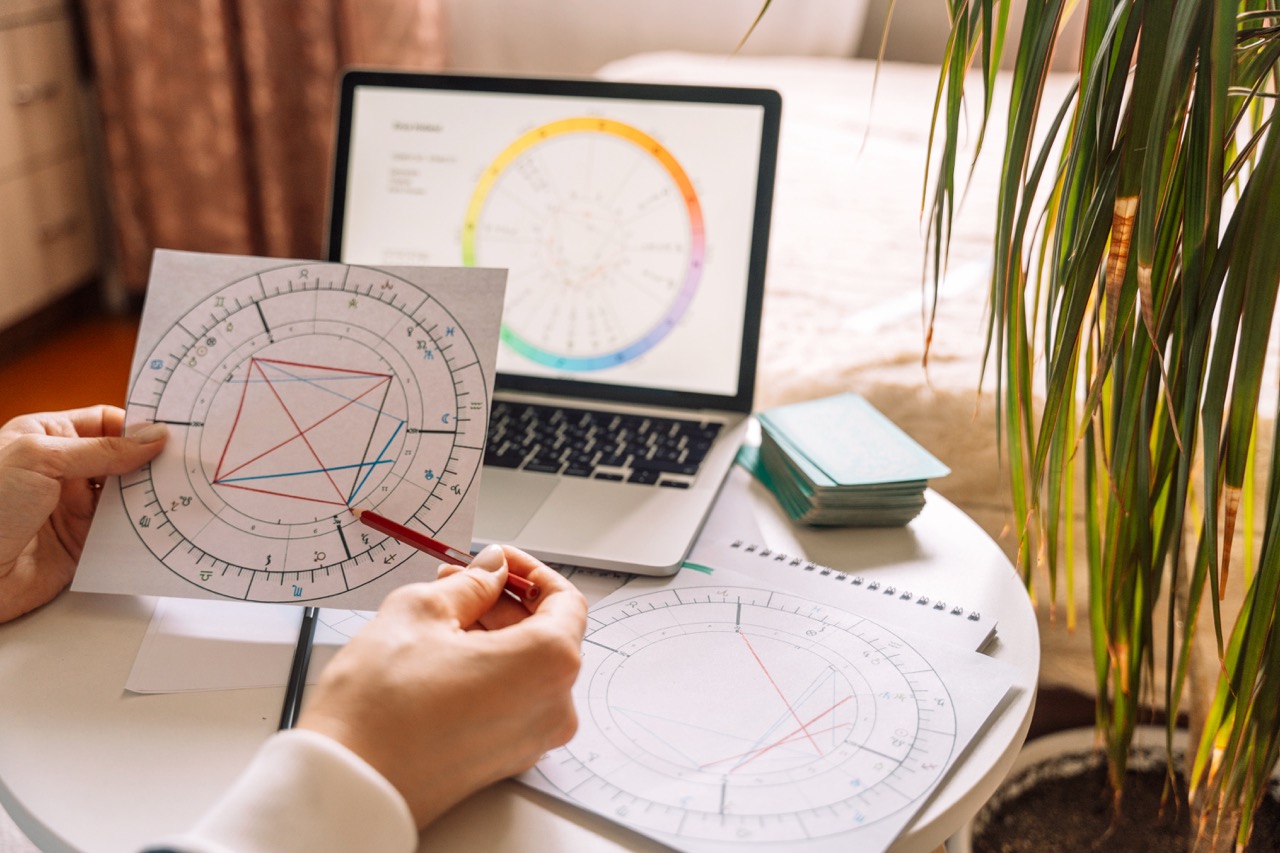
As we explore the planetary meanings, it’s essential to remember that their influences are not isolated. Instead, they interact within the complex web of our astrological charts. The relationships between the planets, known as aspects, can amplify or diminish their effects, illustrating the dynamic interplay of energies at work in our lives. This holistic approach to understanding planetary meanings enriches our perspective on astrology, emphasizing that it is a guide rather than a deterministic force.
Common Misinterpretations of Planetary Influences Explained
Despite the wisdom astrology offers, common misinterpretations abound. One prevalent misconception is that planets dictate our fate, leading to a deterministic view of life. In reality, while planetary energies influence our tendencies and experiences, they do not determine our choices. Astrology serves as a tool for introspection, helping us recognize patterns and potentials rather than prescribing a fixed path. Embracing free will alongside astrological insights fosters a balanced approach to personal growth.
Another frequent misunderstanding is the oversimplification of planetary characteristics. For example, Venus is often solely associated with romantic love, overlooking its broader implications for values, aesthetics, and harmony in various aspects of life. Similarly, the influence of Mars is frequently reduced to aggression, ignoring its capacity for motivation and courage. Such narrow interpretations can lead to a skewed understanding of how these energies manifest in our lives, limiting the potential for growth and self-discovery.
Additionally, the timing of planetary transits can be misread. Many may attribute personal or global events directly to a planet’s retrograde phase, viewing it as a harbinger of chaos or misfortune. However, retrogrades often present opportunities for reflection, reassessment, and healing. By reframing our understanding of these periods, we can harness their energies for positive change rather than viewing them through a lens of fear or negativity.
How Planetary Alignments Affect Our Daily Lives
Planetary alignments play a significant role in shaping our daily experiences, often influencing our moods, decisions, and interactions. For instance, a strong alignment between the Moon and Jupiter may foster a sense of optimism and emotional well-being, while a harsh aspect between Venus and Saturn could lead to feelings of restriction in relationships or financial matters. By paying attention to these celestial shifts, we can better navigate our emotional landscapes and make informed choices that align with our true selves.
Moreover, the energy of the planets can manifest in cycles that affect collective experiences. For instance, when Mars enters a new sign, it can ignite a wave of ambition and drive, inspiring individuals and communities to take action. Conversely, during a Mercury retrograde, we may collectively experience communication breakdowns or technological mishaps, prompting us to slow down and reflect. Recognizing these patterns helps us to align our actions with the prevailing cosmic energies, fostering a sense of harmony in our lives.
In this way, astrology serves as a mirror, reflecting the ebb and flow of our experiences against the backdrop of the cosmos. By observing planetary movements and their corresponding influences, we can cultivate a deeper connection to ourselves and our surroundings. This awareness encourages us to embrace change, adapt to challenges, and celebrate growth, ultimately enhancing our daily lives through a conscious understanding of the celestial dance above.
Using Astrology for Personal Growth and Self-Discovery
Astrology is not merely a tool for predicting the future; it is a profound means of self-discovery and personal growth. By examining our birth charts, we can uncover hidden strengths, identify areas for improvement, and recognize recurring patterns in our lives. Each planet’s placement offers insights into our motivations, desires, and challenges, guiding us toward more authentic expressions of ourselves. Embracing this knowledge empowers us to make choices that are in alignment with our true nature.
Furthermore, astrology encourages reflection and introspection, prompting us to explore our emotional responses and behaviors. For instance, understanding the influence of the Moon in our chart can illuminate how we process feelings and nurture relationships. By acknowledging these aspects, we can cultivate healthier emotional patterns, enhancing our connections with others and fostering a greater sense of inner peace. This journey of self-discovery is enriched by the awareness that we are part of a larger cosmic tapestry, intricately woven with the energies of the universe.
Ultimately, astrology invites us to embrace our uniqueness while recognizing our shared human experiences. By using celestial insights as a compass for personal growth, we can navigate life’s challenges with grace and resilience. Whether through journaling, meditation, or simply observing our reactions to planetary transits, engaging with astrology deepens our understanding of ourselves and the world around us. This transformative journey fosters not only self-awareness but also a profound appreciation for the cosmic forces that shape our lives.
In conclusion, understanding the meanings of the planets in astrology enriches our comprehension of ourselves and our relationships with the world. By dispelling common misinterpretations, we can embrace the true potential of astrological insights as tools for personal growth and self-discovery. As we navigate the complexities of life, recognizing the influence of planetary alignments helps us to harness their energies for positive change, ultimately leading us toward a more fulfilling and authentic existence. Embrace the celestial guidance available to you, and let it illuminate your path toward self-awareness and transformation.