The exploration of planetary meanings is a journey through time, revealing how our understanding of the cosmos has transformed alongside human civilization. From ancient astrological practices to modern interpretations, the significance we attribute to celestial bodies has evolved, reflecting our growing knowledge and shifting perspectives. In this article, we will delve into the ancient interpretations of planets, the revolutionary changes brought about by the shift from geocentrism to heliocentrism, and how contemporary views blend science with mysticism. By examining these transformations, we can better appreciate the practical applications of astrology in our daily lives.
Ancient Civilizations and Their Celestial Interpretations
Ancient civilizations, such as the Babylonians and Egyptians, were among the first to closely observe the night sky, attributing profound meanings to the movements of planets and stars. They viewed the cosmos as a tapestry woven with divine messages, where each celestial body represented various deities and natural forces. For instance, Venus was often associated with love and beauty, while Mars symbolized war and aggression. These interpretations were deeply ingrained in their cultures, influencing everything from agriculture to governance.
The Greeks further developed these celestial interpretations, assigning specific traits and meanings to each planet based on their own philosophical and mythological frameworks. The work of figures such as Ptolemy laid the groundwork for astrological thought, categorizing planets into categories like benefics and malefics, which helped individuals understand how planetary influences could affect their lives. This rich tapestry of meanings was not merely theoretical; it served as a guide for decision-making and personal conduct.
As societies evolved, so did their understanding of the planets. While the ancient interpretations were rooted in mythology and observation, they provided a foundational perspective that would be built upon in subsequent eras. The sacred connection between humanity and the cosmos was established, fostering a belief that the heavens held essential insights into earthly existence.
The Shift from Geocentrism to Heliocentrism in Astrology
The transition from a geocentric model, where Earth was considered the center of the universe, to a heliocentric model, which recognized the Sun at the center, marked a significant turning point in astrological thought. This paradigm shift, championed by figures like Copernicus and Galileo, forced astrologers to reevaluate the significance of planetary movements. No longer were the planets viewed as mere reflections of human affairs; instead, they became part of a complex system governed by physical laws and celestial mechanics.
The implications of this shift were profound. Astrologers began to incorporate the new understanding of planetary orbits and distances, leading to a more dynamic interpretation of their influences. For example, the realization that planets moved in elliptical orbits prompted a deeper examination of their cycles and phases, enriching the astrological narrative. This period also saw the emergence of new astrological techniques, such as the use of ephemeris tables, which allowed for more precise tracking of planetary positions.
Despite the scientific advancements, the essence of astrology remained intact. While the mystical interpretations of planets were challenged, they also evolved. Astrologers sought to bridge the gap between empirical observation and spiritual meaning, leading to a more nuanced understanding of how celestial movements could still inform human experiences. This integration of science and mysticism laid the groundwork for contemporary astrological practices.
Modern Perspectives: Integrating Science and Mysticism
Today, astrology stands at a unique crossroads where ancient wisdom meets modern scientific understanding. Many astrologers are now embracing a holistic approach that integrates psychological insights and empirical data. This shift has allowed for a richer interpretation of planetary meanings, emphasizing the importance of personal agency and self-awareness. The planets are seen not just as external influences but as symbols that resonate with our inner landscapes, guiding personal growth and self-discovery.
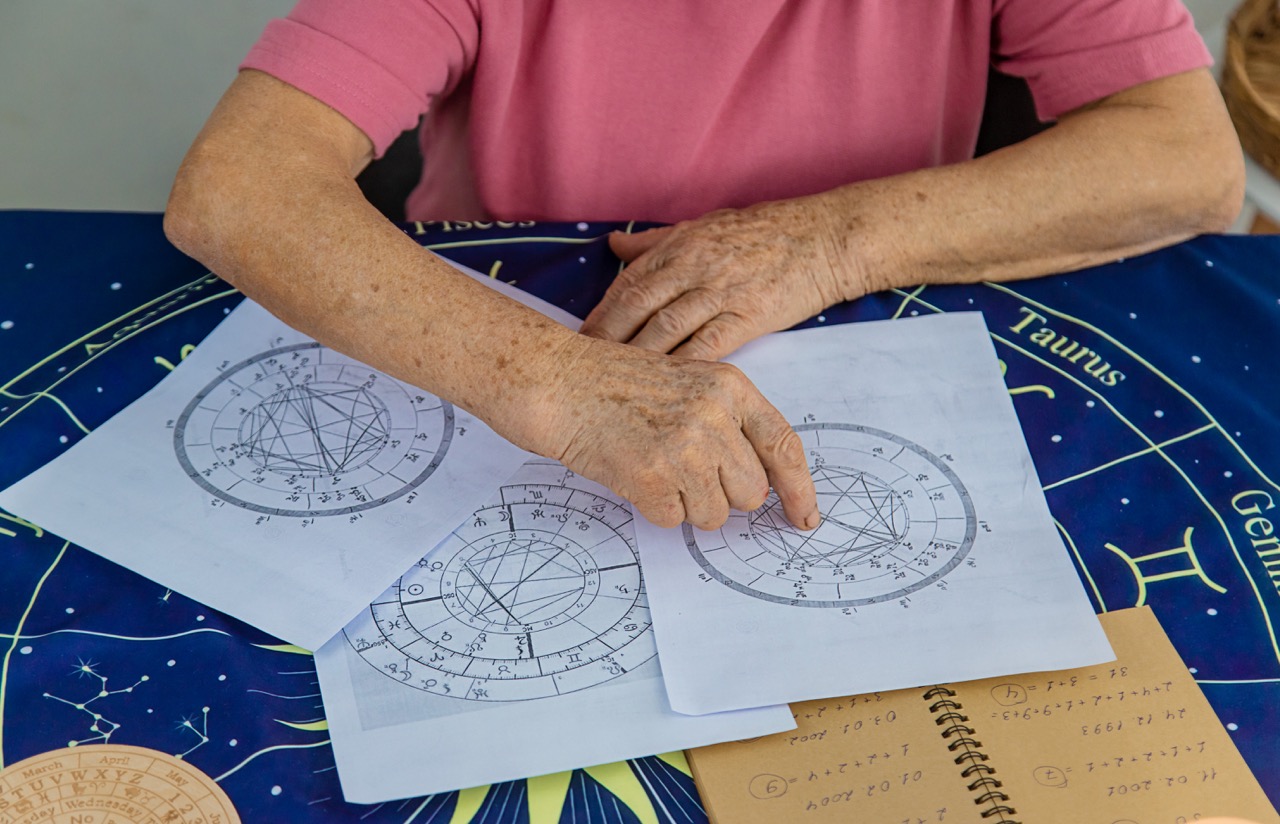
Astrology is increasingly recognized as a valuable tool for psychological exploration. Techniques like natal chart readings and transits provide individuals with insights into their personality traits, emotional patterns, and life challenges. The planets serve as archetypes, reflecting different aspects of our experience. For instance, Saturn’s lessons of discipline and responsibility can be seen as opportunities for growth, rather than mere obstacles. This modern perspective encourages individuals to engage with their astrological charts in a reflective and empowering way.
Moreover, the rise of technology has made astrology more accessible than ever. Online platforms and apps allow people to generate their birth charts and receive personalized interpretations, fostering a greater interest in self-awareness and cosmic alignment. As astrology continues to evolve, it offers a bridge between the mystical and the scientific, inviting us to explore the depths of our existence in relation to the cosmos.
Practical Applications of Evolving Planetary Meanings Today
The evolving meanings of planets have significant practical applications in our everyday lives. By engaging with our astrological charts, we can gain insights into our strengths and challenges, guiding us toward personal growth. For example, understanding the position of Jupiter in our charts can illuminate areas of expansion and opportunity, while recognizing the influence of Mercury can enhance our communication styles. This self-awareness empowers us to make choices that align with our true selves.
Astrology also fosters a sense of connection to the greater universe. As we navigate life’s challenges, we can look to the celestial movements for guidance, understanding that we are part of a larger cosmic cycle. For instance, during a Mercury retrograde, we might take a step back to review our communication patterns, allowing for growth and clarity. By recognizing these planetary influences, we can approach life with a sense of purpose and intention.
In essence, the evolving meanings of planets serve as a reminder of our interconnectedness with the cosmos. As we embrace the wisdom of astrology, we cultivate a deeper understanding of ourselves and our place in the universe, enriching our journey of self-discovery and personal evolution.
The evolution of planetary meanings over time reflects the dynamic interplay between human understanding and the cosmos. From ancient interpretations steeped in mythology to modern perspectives that blend science and spirituality, astrology remains a powerful tool for self-awareness and growth. As we continue to explore the celestial patterns that shape our lives, we invite you to engage with your own astrological journey, uncovering the insights that the universe has to offer. Whether you are a seasoned astrologer or a curious newcomer, each step into the cosmic realm can lead to profound personal transformation and understanding.