In the vast tapestry of astrology, planetary meanings extend beyond mere celestial observations; they resonate deeply within our psychological landscapes. Each planet embodies distinct energies and archetypes that can offer profound insights into our inner workings and emotional defenses. By examining how these planetary influences shape our psyches, we can better understand the psychological defense mechanisms we employ to navigate life’s challenges. This article explores the intersection of astrology and psychology, shedding light on how celestial patterns can guide us toward personal growth and healing.
Understanding Planetary Influences on Our Psyche
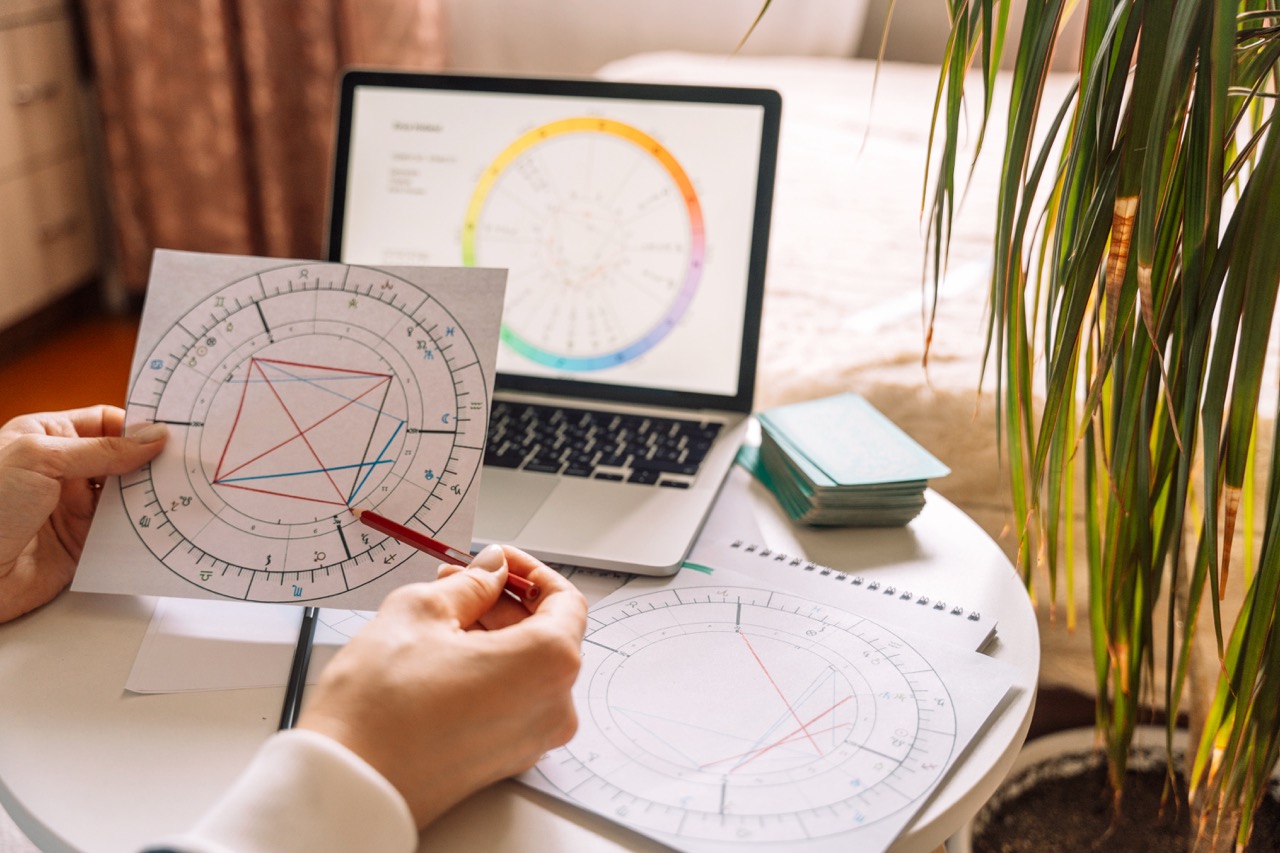
Astrology posits that the planets influence our behaviors, emotions, and thought processes. The Sun represents our core identity and ego, while the Moon encapsulates our emotional landscape and instinctual responses. Mercury governs communication and intellect, shaping how we interpret and express our thoughts. Each planet carries its own energy, offering a mirror to our subconscious motivations and desires. By studying our natal charts, we can identify which planets play pivotal roles in our lives and how their positions resonate with our personal experiences.
In addition to personal traits, planetary placements can illuminate areas where we might feel vulnerable or triggered. For instance, a prominent Saturn can indicate a tendency toward self-doubt or fear of failure, while a strong Jupiter may suggest an optimistic outlook and a natural propensity for growth. Recognizing these influences helps us understand our emotional responses and behavioral patterns, enabling us to better navigate our personal and interpersonal struggles. The celestial bodies are not just distant entities; they are reflections of our internal worlds, guiding us toward self-awareness.
Ultimately, acknowledging the planetary influences in our lives can empower us to take charge of our emotional well-being. By understanding how these cosmic forces shape our psyche, we can learn to respond to life’s challenges more consciously, rather than reactively. This awareness encourages a journey toward self-discovery, allowing us to embrace our strengths while addressing our weaknesses.
Common Psychological Defense Mechanisms Explained
Psychological defense mechanisms are strategies our minds employ to protect us from anxiety and emotional pain. These mechanisms can manifest in various forms, such as denial, projection, rationalization, and displacement. For example, denial allows individuals to refuse to accept reality, shielding them from distressing truths, while projection involves attributing one’s own undesirable feelings or thoughts onto others. Understanding these mechanisms is crucial for personal development, as they often operate unconsciously, guiding our behaviors and reactions without our awareness.
Rationalization, another common defense, enables us to justify our actions or feelings to make them seem acceptable. This can lead to cognitive dissonance, where we hold contradictory beliefs, impacting our decision-making processes. Displacement, on the other hand, involves redirecting emotional responses from one object or individual to another, often resulting in misplaced anger or frustration. Recognizing these patterns can help individuals confront underlying issues, fostering healthier emotional responses and interpersonal relationships.
By identifying and understanding these defense mechanisms, we can begin to dismantle the barriers that hinder our emotional growth. This self-awareness allows us to confront the root causes of our anxieties and fears, ultimately paving the way for healing and transformation. Embracing vulnerability and authenticity becomes a powerful antidote to the protective shields we often erect, fostering deeper connections with ourselves and others.
How Astrology Reflects Our Inner Defense Patterns
Each zodiac sign corresponds to specific psychological traits and defense mechanisms, intricately linking astrology and psychology. For instance, Aries, with its fiery energy, may resort to aggression or confrontation as a means of defense, while Libra, characterized by its desire for harmony, might suppress conflict through people-pleasing. Understanding these patterns can help individuals recognize their natural tendencies and how they might cope with emotional turmoil. By examining our sun, moon, and rising signs, we can uncover the unique ways in which we respond to stress.
Neptune, often associated with dreams and illusions, can lead to escapism when individuals face overwhelming emotional challenges. Those with strong Neptune placements may find themselves retreating into fantasy or substance use as a means of coping. Conversely, individuals influenced by Saturn may exhibit rigidity and control as a way to manage uncertainty. By recognizing how these planetary influences manifest in our behaviors, we can gain insight into our defense mechanisms and their origins.
Astrology serves as a powerful tool for self-reflection, enabling us to explore the layers of our psyche. By understanding our astrological chart, we can identify the celestial influences that shape our emotional responses and coping strategies. This awareness encourages us to confront our vulnerabilities, ultimately fostering personal growth and resilience. The stars can guide us toward deeper self-acceptance and understanding, allowing us to navigate life’s complexities with grace.
Using Planetary Insights for Personal Growth and Healing
Integrating planetary insights into our personal growth journeys can be transformative. By actively engaging with the energies of the planets, we can harness their strengths to support our healing processes. For instance, during a Mercury retrograde, individuals may find it beneficial to reflect on their communication patterns and work through unresolved conflicts. By embracing these celestial events as opportunities for introspection, we can facilitate meaningful changes in our lives.
Moreover, the lunar cycles offer valuable insights for emotional healing. The New Moon is a powerful time for setting intentions and releasing old habits, while the Full Moon encourages letting go of what no longer serves us. Aligning our personal growth practices with these cosmic rhythms can enhance our self-awareness and encourage transformative change. By attuning ourselves to the lunar cycles, we can create a harmonious relationship between our emotional states and the natural world.
Ultimately, using planetary insights for personal growth involves a commitment to self-reflection and awareness. By observing how the planets influence our behaviors and emotional responses, we can learn to navigate our inner landscapes with greater clarity and intention. This journey of self-discovery empowers us to embrace our authentic selves while fostering resilience in the face of life’s challenges. The cosmos, with its intricate patterns and rhythms, serves as a guiding force in our quest for healing and personal evolution.
In conclusion, the interplay between planetary meanings and psychological defense mechanisms offers a rich tapestry of insights for personal growth and self-awareness. By exploring how celestial influences shape our emotional responses, we can better understand the protective strategies we employ in our lives. Embracing this knowledge allows us to confront our vulnerabilities, fostering deeper connections with ourselves and others. As we journey through life’s complexities, let us look to the stars not just as distant entities but as guides illuminating our path toward healing and transformation.