
The fascination with horoscopes transcends cultures and generations, drawing countless individuals into the intricate web of astrological belief. Whether it’s reading daily predictions in a magazine or consulting a professional astrologer for a personalized birth chart, many find comfort and insight within the cosmic narratives that horoscopes provide. This article delves into the psychology behind why people are drawn to these celestial tales, exploring concepts like confirmation bias, the potential for self-reflection, and the ways in which these beliefs subtly guide our daily lives.
Understanding the Allure: Why People Believe in Horoscopes
The allure of horoscopes lies in their capacity to offer interpretations of complex human experiences. In a world filled with uncertainty, astrology provides a framework that can make sense of random events and emotions. People often turn to horoscopes during transitional periods in their lives—be it a new job, relationship, or personal crisis—seeking guidance and reassurance. The narratives woven into astrological readings create a sense of belonging and understanding, tapping into our innate desire for meaning and purpose.
Moreover, horoscopes resonate with our subconscious need for validation. When individuals read predictions that align with their experiences or aspirations, it fosters a feeling of affirmation. This connection can be particularly strong when horoscopes seem to articulate our inner thoughts or struggles, reinforcing the belief that the cosmos has a direct influence on our lives. This sense of connection not only enhances our emotional well-being but also deepens our engagement with astrology as a practice.
Lastly, the communal aspect of astrology cannot be overlooked. Sharing one’s zodiac sign or discussing astrological predictions fosters social bonds, creating a shared language that transcends individual experiences. This camaraderie encourages people to explore and embrace their astrological identities, forging a collective understanding that strengthens the belief in horoscopes as a meaningful guide in life.
The Role of Confirmation Bias in Astrological Faith
Confirmation bias plays a pivotal role in how individuals interpret horoscopes and astrological predictions. This psychological phenomenon refers to the tendency to seek out, interpret, and remember information in a way that confirms pre-existing beliefs. When someone reads their horoscope, they are more likely to focus on the aspects that resonate with their experiences while conveniently ignoring any contradictions. This selective perception reinforces their faith in astrology, creating a feedback loop that solidifies their belief system over time.
Furthermore, the vagueness often present in horoscopes allows for broad interpretations, making them particularly susceptible to confirmation bias. A horoscope may state that "today is a good day for new beginnings," which can apply to a multitude of situations. This ambiguity invites individuals to apply the prediction to their personal circumstances, further validating their belief in its accuracy. As they continue to find correlations between their lives and astrological advice, their commitment to astrology deepens.
In essence, confirmation bias not only strengthens individual beliefs but also perpetuates the popularity of horoscopes within society. It creates a self-reinforcing cycle where believers share their experiences that support astrological claims, leading to a greater acceptance of astrology as a legitimate source of guidance. As people witness or hear about the "accurate" predictions of horoscopes, they are more likely to share their own stories, amplifying the collective belief in the power of the cosmos.
Astrology as a Tool for Self-Reflection and Growth
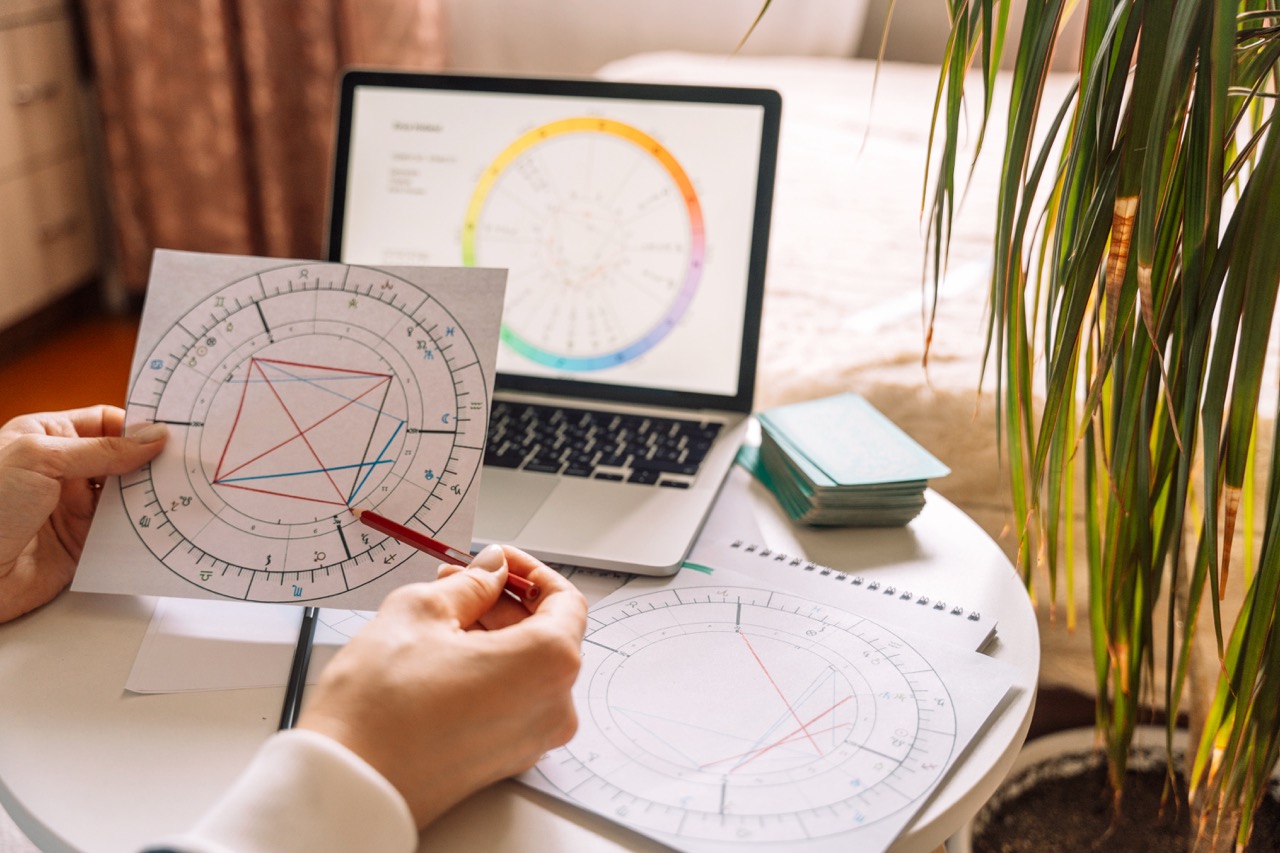
While some may view astrology as mere entertainment, many find it a profound tool for self-reflection and personal growth. By exploring their birth charts and zodiac signs, individuals gain insights into their strengths, weaknesses, and emotional patterns. This self-awareness can be transformative, encouraging them to confront personal challenges and make informed decisions. In this way, astrology serves as a mirror, reflecting our inner selves and prompting us to engage in meaningful introspection.
Additionally, astrology offers a unique language for discussing personal growth and life experiences. For instance, the concept of transits—how the current positions of planets affect our natal chart—allows individuals to frame their current challenges within a broader cosmic context. This understanding can provide reassurance during difficult times, as it suggests that challenges are part of a larger cycle of growth. Using astrology in this way fosters resilience, helping individuals navigate life’s ups and downs with a sense of purpose.
Moreover, the practice of regularly checking horoscopes or engaging in astrological discussions can cultivate mindfulness. As individuals consider how celestial movements may impact their emotions and decisions, they are encouraged to slow down and reflect. This mindful approach not only deepens their relationship with astrology but also promotes a greater understanding of themselves and their place within the universe.
How Cosmic Patterns Influence Our Daily Lives and Choices
Astrology posits that the positions of celestial bodies can influence human behavior and decision-making. Many believe that the alignment of planets at the moment of their birth imprints certain traits and tendencies that shape their personalities. This belief extends into daily life, where individuals may check their horoscopes to determine the best times for making important decisions, embarking on new ventures, or engaging in social activities. By aligning their actions with cosmic patterns, they feel a sense of harmony and flow, believing that they are in sync with the universe.
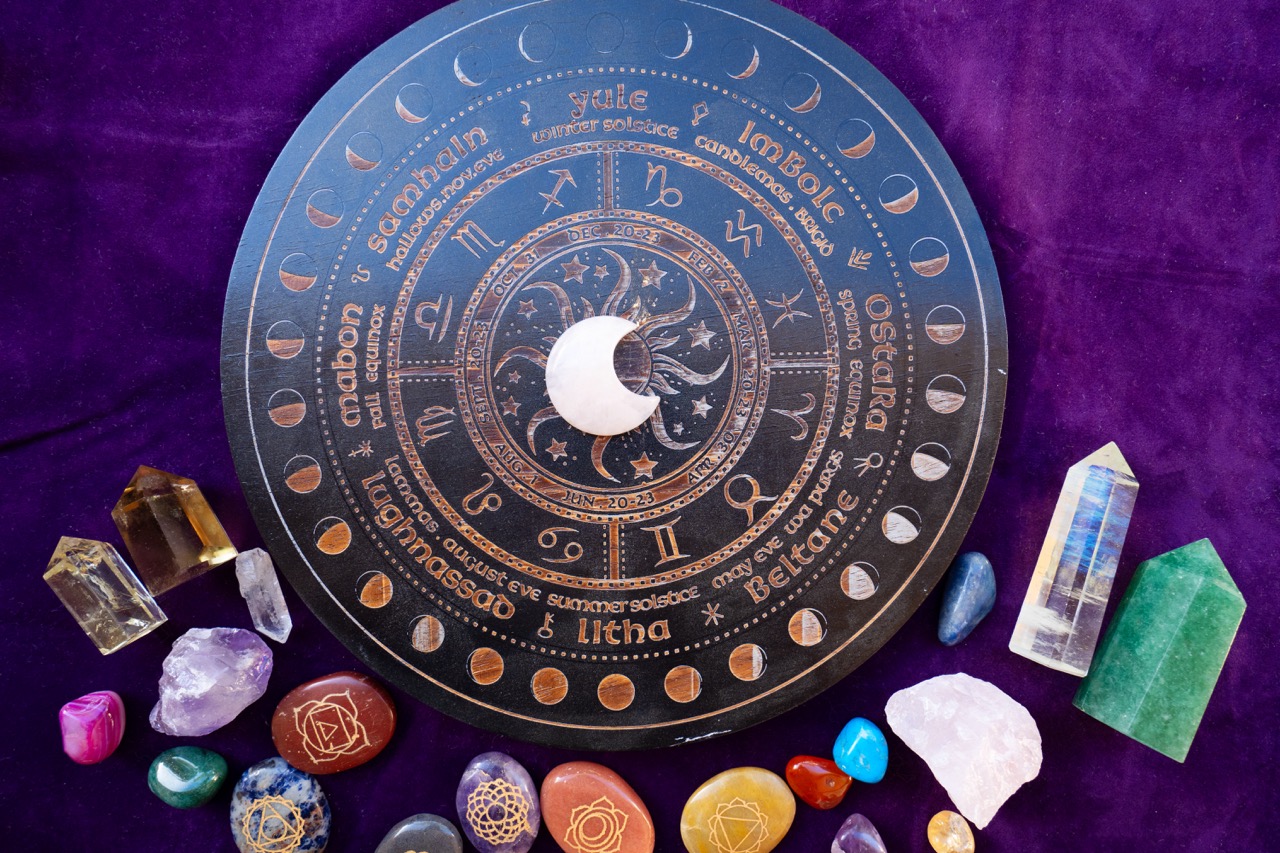
Moreover, the cyclical nature of astrology mirrors the rhythms of life itself. The changing seasons, lunar phases, and planetary transits all suggest that there are optimal times for various activities—whether it’s planting seeds in spring or taking stock in autumn. This cyclical understanding encourages individuals to attune themselves to the natural world, fostering a sense of connection to the cosmos that can enrich daily living. It invites them to pause, reflect, and align their choices with these cosmic rhythms.
Finally, astrology can empower individuals to take ownership of their lives. By understanding how celestial patterns might influence their emotions and decisions, people can make more informed choices aligned with their values and aspirations. This empowerment can lead to greater confidence and clarity, as individuals learn to navigate their paths with intention. Ultimately, astrology serves not just as a predictive tool, but as a guide for living authentically and harmoniously within the cosmic tapestry.
The psychology behind horoscope belief reveals a complex interplay of personal validation, social connection, and self-reflection. As individuals navigate their lives through the lens of astrology, they cultivate a deeper understanding of themselves and their place in the universe. By appreciating the nuances of astrological insights, readers can use this ancient practice not only as a source of guidance but also as a catalyst for personal growth and transformation. Embracing the cosmos as a companion in our journey can illuminate paths previously unseen, fostering a richer, more connected experience of life.