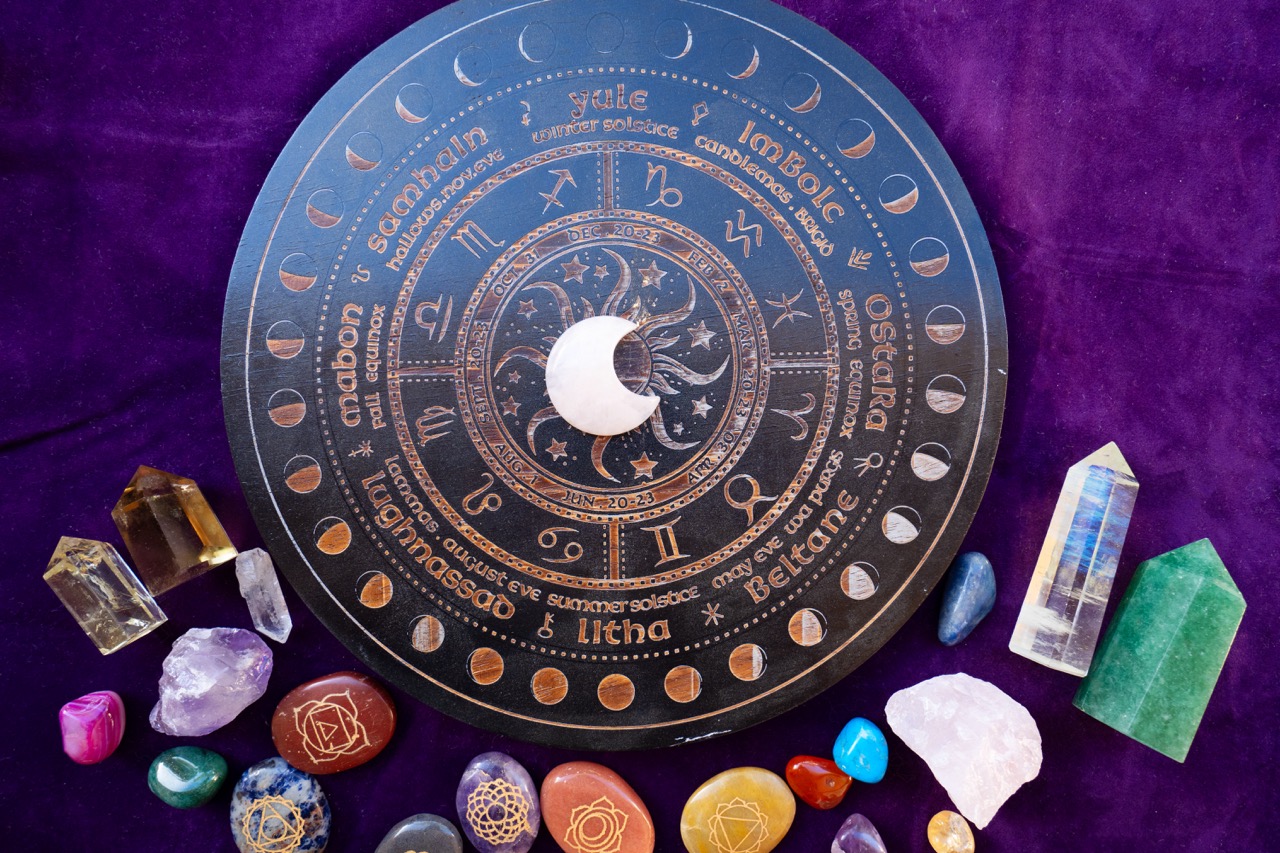

Astrology has captivated humanity for millennia, offering insights into our personalities, relationships, and life paths through the alignment of celestial bodies. The language surrounding astrology is unique, filled with terms and concepts that can often seem esoteric to the uninitiated. However, this specialized diction serves a purpose beyond mere mystique; it creates a framework within which we can explore our inner selves and the universe’s influence on our lives. In this article, we will delve into the terminology used in astrology content, how this language shapes our self-perception, and how we can utilize these insights for personal growth.
Understanding the Unique Terminology in Astrology Content
Astrology employs a rich and diverse vocabulary that is essential for communicating complex ideas about celestial influences. Terms like "houses," "aspects," and "transits" may be unfamiliar to many, yet each carries significant meaning. The "houses" represent different areas of life, from career to relationships, while "aspects" describe the angles formed between planets, influencing how their energies interact. Such terminology forms the foundation of astrological interpretation, allowing practitioners to translate cosmic movements into relatable human experiences.
In addition to these foundational terms, astrology also includes a lexicon of signs and symbols that represent archetypes and energies. Each zodiac sign embodies specific traits and characteristics, which can provide insights into our behaviors and preferences. For instance, a person with a strong presence of Scorpio in their chart might be perceived as intense and passionate, while a prominent Libra influence may indicate a natural inclination toward harmony and balance. This specialized language not only enriches the discourse around astrology but also invites individuals to explore their unique cosmic fingerprints.
Moreover, the language of astrology is inherently poetic and metaphorical, allowing for a more profound connection between the individual and the cosmos. Phrases like "Saturn return" or "Mercury retrograde" evoke a sense of cyclical change and transformation. These terms encapsulate complex astrological phenomena in a way that resonates on a personal level, making the language not just informative but also deeply reflective. Understanding these terms enhances our ability to engage with astrology meaningfully, enabling us to glean insights that are both profound and practical.
How Astrological Language Shapes Our Perception of Self
The language of astrology plays a crucial role in shaping how we perceive ourselves and our place in the universe. By interpreting our birth charts and the cosmic alignments at the time of our birth, we gain insights into our inherent traits, strengths, and challenges. Language, in this context, serves as a mirror, reflecting not only our individual characteristics but also the universal patterns that connect us all. The narratives woven through astrological terms can help us articulate our identities and experiences in ways that resonate deeply.
For many, astrology offers a framework for understanding personal growth and development. When we discuss concepts such as "life path" or "soul purpose," we are encouraged to reflect on our aspirations and motivations. This self-reflection can lead to a greater sense of awareness and empowerment, as we begin to see ourselves as active participants in our own narratives. The language of astrology thus becomes a tool for introspection, guiding us through the complexities of our emotions and desires.
Additionally, the use of astrological language can foster a sense of community among those who share similar traits or experiences. When we discuss our sun, moon, and rising signs, we tap into a collective understanding that transcends individuality. This communal aspect of astrological language can create bonds and foster empathy, helping us appreciate the diverse range of experiences shaped by the cosmos. By framing our stories within this astrological context, we can cultivate a more compassionate view of ourselves and others.
Decoding Zodiac Insights: Bridging Mysticism and Reality
Astrology often straddles the line between the mystical and the practical, and its language reflects this duality. Terms like "transits" and "retrogrades" encapsulate celestial movements that can influence our day-to-day lives. For example, when Mercury goes retrograde, it’s common to hear about communication mishaps and travel delays, prompting individuals to approach these periods with caution. This blend of mystical significance and tangible outcomes makes astrology accessible and relatable, allowing us to navigate life’s ebbs and flows with greater awareness.
Moreover, the language of astrology encourages us to view challenges as opportunities for growth. Rather than seeing difficult transits as merely obstacles, we can interpret them as moments for introspection and learning. This perspective fosters resilience and adaptability, empowering us to embrace change rather than resist it. By decoding the language of our astrological charts, we can find meaning in our struggles and celebrate our triumphs, bridging the gap between the etheric and the earthly.
In this way, astrology serves as a guide and a lens through which we can view our lives. The insights gained from understanding astrological language can help us make informed choices and navigate our relationships with clarity. By interpreting the energies of the cosmos in relation to our personal experiences, we enrich our understanding of ourselves and the world around us, creating a harmonious balance between mysticism and reality.
Using Astrology’s Language for Personal Growth and Awareness
Astrology offers a unique framework for personal growth and self-awareness, and its language acts as a guide through this journey. By understanding our natal charts and the qualities of our zodiac signs, we can identify areas for improvement and growth. For instance, recognizing a tendency toward stubbornness in a Taurus can inspire individuals to practice flexibility and adaptability in their lives. This form of self-discovery through astrological language encourages us to embrace both our strengths and limitations.
Moreover, the cyclical nature of astrology invites us to engage in regular reflection and reassessment. Key transits and lunar phases can serve as markers for personal development, prompting us to set intentions or release what no longer serves us. The language of astrology thus becomes a powerful tool for tracking our evolution, allowing us to celebrate our progress and recalibrate our goals. Each astrological event carries the potential for insight and transformation, reminding us that growth is a continuous journey.
Ultimately, engaging with astrology’s language can deepen our connection to ourselves and the universe. By interpreting the symbols and energies outlined in our charts, we cultivate a greater understanding of our life’s path. This awareness can foster a sense of purpose and direction, encouraging us to take aligned action toward our goals. As we embrace the language of astrology, we not only enhance our self-awareness but also empower ourselves to navigate life’s complexities with grace and intention.
In conclusion, the language used in astrology content is a rich tapestry of terminology and symbolism that serves to guide us on our journeys of self-discovery and personal growth. By understanding and engaging with this language, we can unlock insights into our personalities, relationships, and life experiences. Astrology offers a unique lens through which we can reflect on our lives and embrace the cosmic influences that shape us. As we continue to explore the depths of astrological language, we invite you to use these insights as a tool for fostering awareness, connection, and transformation in your own life.