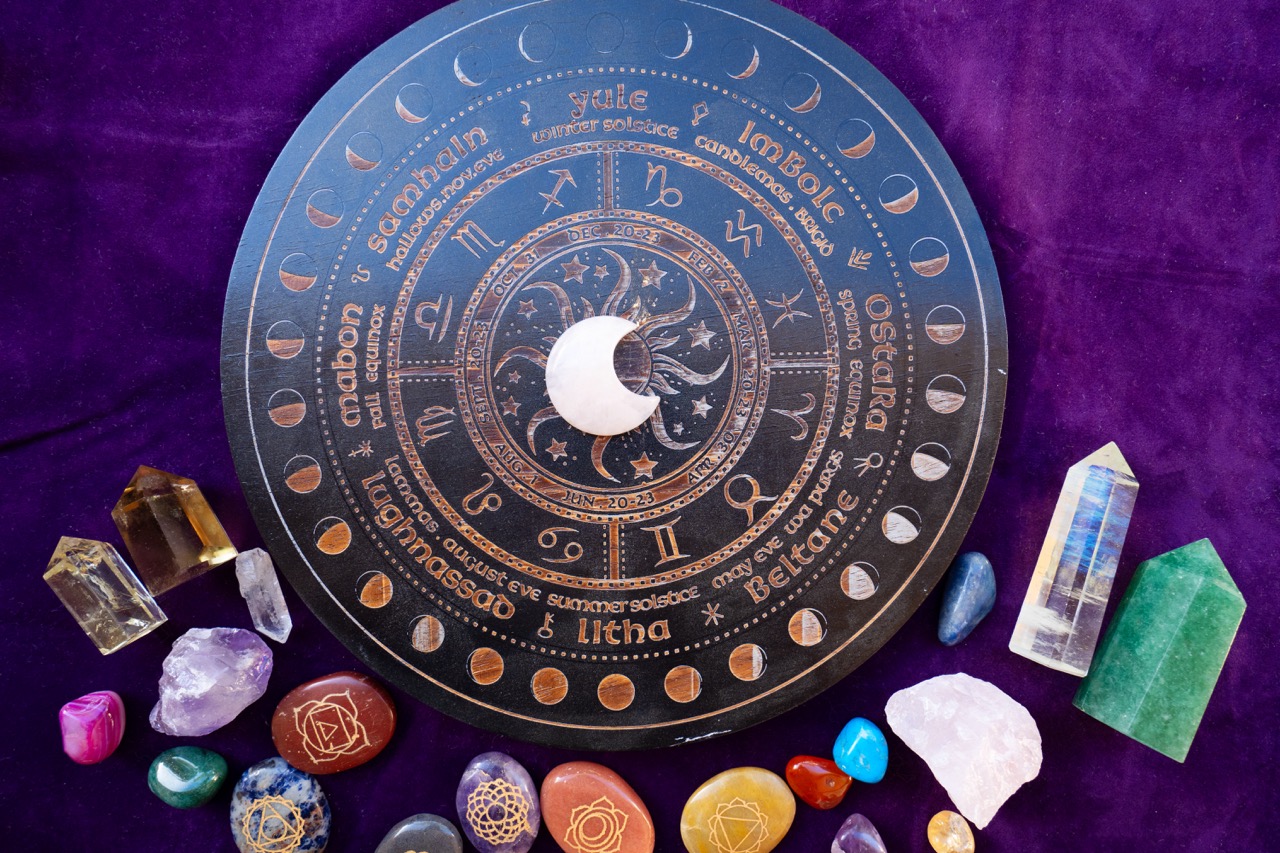

Astrology has long fascinated humanity, weaving itself into the fabric of cultural identity across various societies. This ancient practice transcends mere superstition; it serves as a lens through which individuals can explore their identities and connect with their cultural narratives. In this article, we will delve into the role of astrology in shaping cultural stories, how zodiac signs influence both personal and collective identity, the intersection between astrology and heritage, and how this mystical practice can be a powerful tool for self-discovery and growth.
The Role of Astrology in Shaping Cultural Narratives
Astrology has been an integral part of various cultures for centuries, serving as a storytelling device that reflects societal values and fears. In ancient civilizations, such as the Babylonians and Greeks, celestial events were seen as omens, guiding decisions from agricultural practices to political strategies. These narratives not only provided a framework for understanding the world but also reinforced cultural cohesion. The myths surrounding constellations and planetary movements often mirrored societal ideals, creating a shared language that resonated within the community.
As cultures evolved, astrology adapted alongside them, often merging with local beliefs and traditions. In many African and Asian societies, astrology is interwoven with spirituality, offering insights into life’s purpose and destiny. This adaptability allows astrology to remain relevant, providing a constant source of guidance and interpretation. By anchoring cultural narratives in celestial events, communities find a sense of continuity and reassurance amidst changing circumstances.
Moreover, the resurgence of interest in astrology in modern times highlights its ongoing relevance. With the rise of social media, astrological content has become widely accessible, allowing individuals to engage with their cultural narratives in new ways. This contemporary exploration of astrology not only reaffirms age-old beliefs but also invites new interpretations that resonate with today’s diverse cultural contexts.
How Zodiac Signs Influence Personal and Collective Identity
Zodiac signs play a crucial role in shaping both personal and collective identities. On an individual level, many people find that their sun sign, moon sign, and rising sign provide insights into their personality traits, emotional responses, and life challenges. This self-awareness can be empowering, allowing individuals to embrace their strengths and address their weaknesses. For instance, a Leo might find confidence in their natural charisma, while a Virgo may learn to appreciate their meticulous nature as a valuable asset.
Collectively, zodiac signs can foster a sense of belonging among individuals who share the same sign. Group dynamics often reflect the characteristics associated with specific signs, creating a unique camaraderie. For example, gatherings of fellow Aquarians may emphasize innovation and humanitarian efforts, while Scorpios might engage in deep, transformative conversations. These shared experiences cultivate a collective identity that resonates with the core traits of each sign, reinforcing the idea that we are all interconnected through our cosmic influences.
Furthermore, the influence of astrology extends beyond individual groups. As people engage with their zodiac signs, they often share their experiences and insights, creating a broader cultural dialogue. This exchange fosters understanding and acceptance of diverse identities, allowing individuals to explore their differences while recognizing the universal themes that unite us all under the stars.
Exploring the Intersection of Astrology and Heritage
Astrology often intersects with cultural heritage, enriching the understanding of both. Many cultures have their unique astrological systems that reflect their histories and philosophies. For example, Vedic astrology, rooted in ancient Indian traditions, offers a different perspective than Western astrology, emphasizing karma and dharma. This diversity highlights how astrology can serve as a bridge between generations, connecting individuals to their ancestral roots while allowing for personal interpretation.
In many indigenous cultures, astrological beliefs are intertwined with land, nature, and seasonal cycles. The alignment of stars often dictates agricultural practices, seasonal celebrations, and spiritual rituals. This connection to the cosmos not only reinforces cultural identity but also emphasizes the importance of living in harmony with nature. By understanding these astrological ties, individuals can deepen their appreciation for their heritage and the wisdom it imparts.
Additionally, as globalization continues to blur cultural boundaries, many people find themselves exploring multiple astrological systems. This exploration can lead to a richer understanding of one’s identity, as individuals draw on various traditions to create a personalized astrological framework. By blending these influences, people can navigate their cultural identities in a way that feels authentic, honoring their past while embracing their present.
Astrology as a Tool for Self-Discovery and Growth
Astrology serves as a powerful tool for self-discovery and personal growth. By examining one’s birth chart, individuals can gain insights into their motivations, fears, and aspirations. This reflective practice encourages self-awareness and can lead to profound transformations. For instance, understanding one’s moon sign can illuminate emotional needs and responses, paving the way for healthier relationships and emotional healing.
Moreover, astrology encourages individuals to embrace their unique journeys. The challenges associated with specific planetary placements can be viewed as opportunities for growth rather than obstacles. For example, someone with a challenging Saturn placement might learn resilience and discipline through adversity, ultimately emerging stronger and wiser. This perspective fosters a growth mindset, allowing individuals to view their experiences through a lens of empowerment.
Finally, astrology invites individuals to engage with their spiritual selves, fostering a deeper connection to the universe and the cycles of life. By recognizing the cosmic influences that shape their experiences, individuals can cultivate a sense of purpose and alignment. This journey of self-discovery is not just about understanding oneself; it’s about embracing the interconnectedness of all beings and the universe, reminding us that we are part of a grand cosmic tapestry.
In conclusion, astrology is much more than a mere pastime; it is a profound tool for exploring cultural identity and personal growth. By examining the role of astrology in shaping cultural narratives, understanding how zodiac signs influence identity, exploring the intersection of astrology and heritage, and recognizing its potential for self-discovery, we can appreciate the rich tapestry of human experience. As we navigate our cosmic journeys, let us embrace the wisdom of the stars and the stories they tell, fostering a deeper connection to ourselves and our cultural identities.