
In the realm of astrology, there are various tools and frameworks that enthusiasts and practitioners use to navigate the cosmic tapestry of life. One such fascinating tool is the Cosmic Calendar by Christopher Renstrom. This innovative framework offers a unique perspective on the astrological year, allowing individuals to understand celestial movements in a more relatable context. Renstrom’s Cosmic Calendar invites readers to explore how cosmic events resonate with their personal experiences, bridging the gap between the heavens and our day-to-day lives.
Understanding the Cosmic Calendar: An Astrological Journey
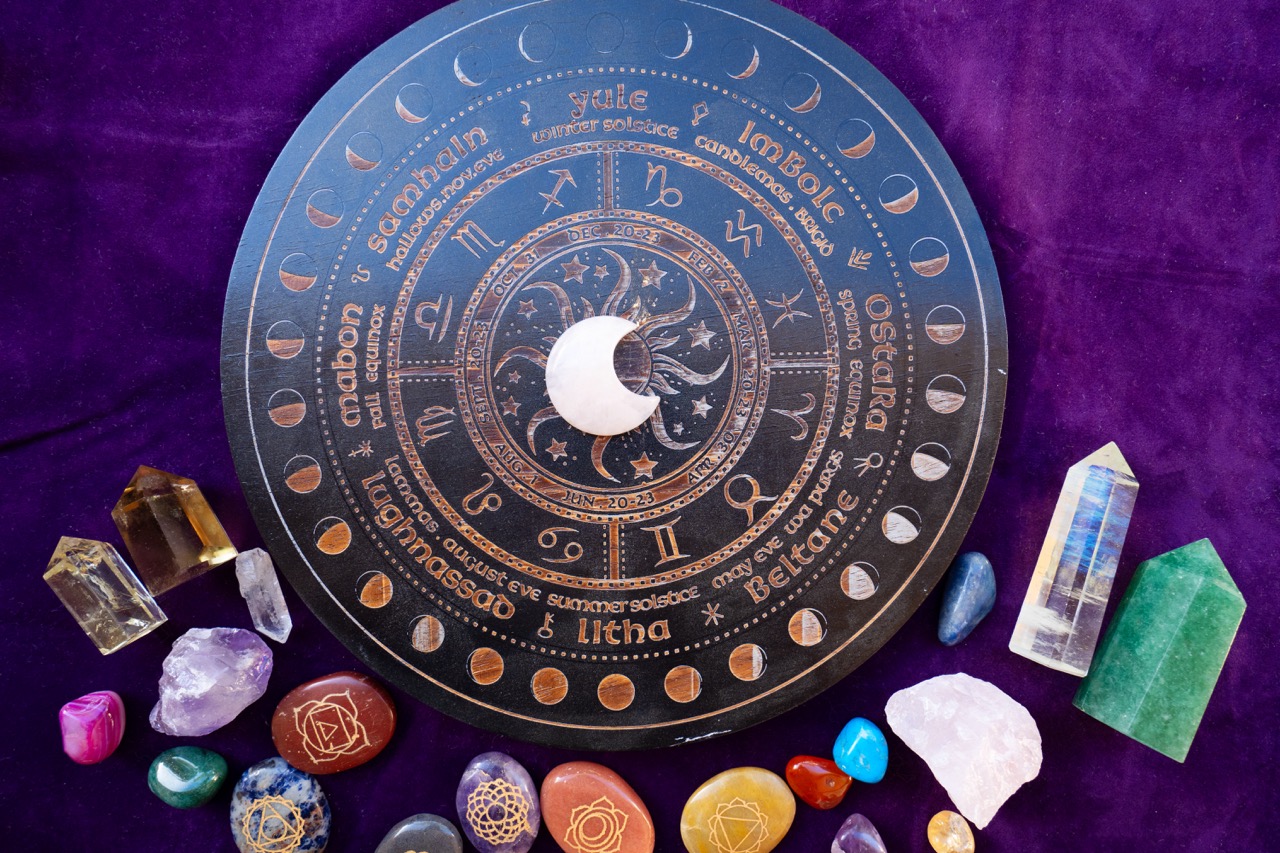
The Cosmic Calendar is a metaphorical representation of the astrological year, charting the movements of celestial bodies and their influence on our lives. Renstrom conceptualizes the year as a cycle that parallels significant events in our lives, mirroring the rhythms of nature and the universe. By breaking down the astrological year into months, Renstrom provides a structured way to understand the shifting energies that accompany different times of the year. This approach allows readers to align their personal growth and intentions with the cosmic order.
Each month in the Cosmic Calendar is imbued with specific astrological themes and correspondences, enabling individuals to cultivate a deeper connection with their own natal charts and life experiences. For instance, the calendar highlights key transits and lunar phases, allowing users to track how these celestial events might influence their emotions, decisions, and relationships. Through this structured journey, readers can gain insights into their own cycles of growth, helping them to anticipate challenges and embrace opportunities.
Moreover, Renstrom’s Cosmic Calendar serves as a reminder that astrology is not just a static set of predictions but a dynamic tool for self-awareness. By understanding the cyclical nature of the universe, individuals can appreciate their place within it and recognize that they are part of a larger cosmic narrative. This perspective encourages a sense of agency and empowerment, inviting people to actively participate in their own growth and development through the lens of astrology.
Unique Features of Renstrom’s Approach to Astrology
One of the standout features of Renstrom’s Cosmic Calendar is its emphasis on accessibility. Unlike traditional astrological texts that can often feel esoteric or daunting, this calendar is designed to be user-friendly and relatable. Renstrom employs simple language and clear explanations, making it easy for both seasoned astrologers and newcomers to engage with the material. This accessibility is crucial in demystifying astrology, allowing more people to explore its potential as a tool for personal insight.
Additionally, Renstrom’s approach is characterized by its integration of historical and cultural contexts. He doesn’t simply present astrological events in isolation; instead, he connects them to historical occurrences and cultural phenomena that resonate with the themes of each month. This unique perspective allows readers to see how astrology has influenced human experiences throughout time, making it feel more relevant and meaningful. By weaving together the past and present, Renstrom gives readers a richer understanding of how cosmic events can shape our lives.
Another defining aspect of the Cosmic Calendar is its focus on the interplay between the individual and the universe. Renstrom encourages readers to reflect on their own experiences in relation to celestial events, fostering a sense of connection and interconnectedness. This relational approach invites individuals to consider how their personal journeys mirror the larger cosmic cycles, promoting a holistic view of astrology as a path to self-exploration and growth.
How the Cosmic Calendar Connects Us to Celestial Events
The Cosmic Calendar serves as a powerful reminder of our interconnectedness with the universe. By mapping out the movements of planets, moons, and stars, Renstrom helps readers understand how these celestial bodies influence our daily lives. Each month is thoughtfully curated to highlight significant astrological events, such as retrogrades, eclipses, and conjunctions, which can serve as turning points or catalysts for change. By recognizing these patterns, individuals can better navigate their own life journeys.
Moreover, the calendar emphasizes the importance of timing in astrology. Certain periods are identified as auspicious for specific activities, such as starting a new project or reflecting on personal goals. Renstrom’s framework encourages readers to actively engage with these cosmic rhythms, allowing them to harness the energies at play. This connection to celestial events fosters a sense of mindfulness, urging individuals to align their actions with the cosmic flow rather than working against it.
The Cosmic Calendar also invites contemplation on the broader implications of these celestial events. For example, a lunar eclipse may signify a time of release and transformation, prompting readers to reflect on what they need to let go of in their lives. By contextualizing these events within personal narratives, Renstrom helps individuals draw parallels between cosmic occurrences and their own emotional landscapes, enriching their understanding of both astrology and themselves.
Practical Applications of the Cosmic Calendar in Daily Life
Integrating the Cosmic Calendar into daily life can enhance one’s journey of self-discovery and growth. For instance, by referencing the calendar regularly, individuals can align their activities with significant astrological events. This alignment can lead to more intentional decision-making, as people become aware of the cosmic influences at play during specific periods. Whether it’s planning for a new venture during a waxing moon or reflecting on past experiences during a retrograde, the Cosmic Calendar empowers individuals to be proactive in their lives.
Additionally, the calendar can serve as a tool for reflection and introspection. By keeping a journal that corresponds with the Cosmic Calendar, individuals can track their emotions, experiences, and insights throughout the year. This practice not only fosters a deeper understanding of oneself but also highlights patterns that may emerge over time. By documenting these experiences, readers can create a personal narrative that intertwines their individual journey with the larger cosmic cycles, enriching their sense of identity.
Lastly, the Cosmic Calendar encourages community engagement and shared experiences. By discussing astrological events with friends or fellow astrology enthusiasts, individuals can foster connections and deepen their understanding of the cosmic influences at play in their lives. This communal exploration can lead to meaningful conversations and insights, enhancing the experience of astrology as a shared journey rather than a solitary pursuit.
The Cosmic Calendar by Christopher Renstrom stands out as a unique and transformative tool for anyone interested in astrology. By providing an accessible, relatable framework for understanding celestial events, Renstrom invites readers to explore their personal journeys in the context of the universe’s rhythm. The integration of historical insights, community engagement, and practical applications offers a holistic approach to astrology, empowering individuals to navigate their lives with intention and awareness. In a world where we often feel disconnected, the Cosmic Calendar serves as a reminder of our profound connection to the cosmos, encouraging us to embrace our place within this vast, intricate tapestry.