In the realm of astrology, Neptune is often associated with dreams, illusions, and the deeper layers of the human psyche. Liz Greene’s influential work, "The Astrological Neptune and the Quest for Redemption," offers profound insights into this enigmatic planet and its significance in our lives. Greene’s exploration not only delves into Neptune’s mystical attributes but also emphasizes its role in an individual’s quest for healing and redemption. This article will unpack the layers of Greene’s teachings, examining how Neptune influences our emotional and spiritual journeys.
The Mystical Insights of Neptune in Astrology Explained
Neptune, the planet of intuition and mysticism, serves as a gateway to understanding the complexities of our inner worlds. In astrology, it embodies the themes of illusions and dreams, often blurring the lines between reality and fantasy. Greene illustrates how Neptune’s placement in a birth chart can reveal an individual’s innate desires, fears, and spiritual aspirations. This cosmic influence encourages introspection and invites us to confront our illusions, ultimately leading to a deeper understanding of ourselves.
Greene’s work challenges readers to embrace Neptune’s dual nature—its capacity for both inspiration and confusion. By recognizing the ways in which we might escape into fantasy or denial, we can begin to navigate the waters of our emotional life with greater clarity. Neptune asks us to confront our vulnerabilities, urging us to explore the underlying motivations behind our dreams and desires. This journey into the depths of our psyche is not merely about self-discovery; it’s about harnessing these insights for personal growth.
Moreover, Greene emphasizes the importance of symbolism within Neptune’s realm. The planet is often linked to creativity and spiritual expression, suggesting that art, music, and literature can serve as conduits for understanding our deeper selves. By engaging with Neptune’s themes through creative outlets, we can channel our emotions and fantasies into something tangible, transforming our inner experiences into acts of healing and redemption.
Liz Greene’s Unique Perspective on Redemption Explored
Greene’s perspective on redemption is intricately tied to Neptune’s themes of sacrifice, compassion, and healing. She posits that true redemption often arises from the depths of suffering, where individuals confront their darkest fears and insecurities. In this sense, Neptune becomes a catalyst for spiritual evolution, urging us to embrace our vulnerabilities rather than shy away from them. Greene’s insights remind us that the path to redemption is rarely straightforward; it is often a winding journey filled with challenges that ultimately lead to growth.
The concept of redemption is not just about overcoming obstacles; it also involves a profound understanding of interconnectedness. Greene highlights how Neptune invites us to empathize with others and recognize the shared human experience of pain and healing. This perspective encourages a compassionate approach to ourselves and others, fostering a sense of community and understanding that transcends individual struggles. Neptune’s influence, therefore, can inspire acts of kindness and forgiveness, not only towards others but also towards ourselves.
Greene’s exploration of redemption resonates on a universal level, making her work relevant to anyone seeking to navigate their emotional and spiritual journeys. By framing Neptune as a guide through the shadows, she empowers readers to embrace their own quests for redemption. This perspective serves as a reminder that even in our darkest moments, there lies the potential for transformation and healing, encouraging us to seek the light amid the shadows.
How Neptune Influences Our Journey Towards Healing
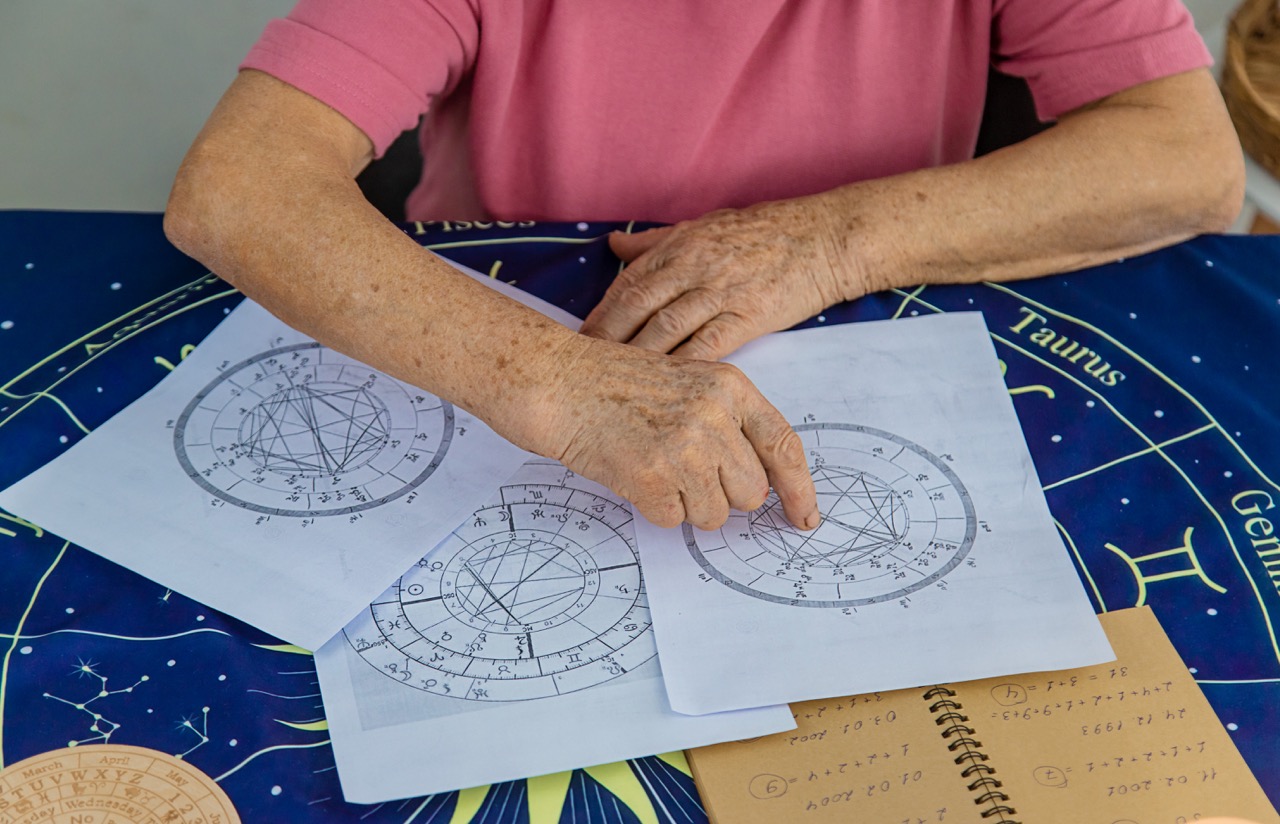
Neptune’s influence is particularly profound when it comes to the healing process. As it governs our dreams and subconscious, it can illuminate the paths we must take to heal old wounds. Greene suggests that understanding Neptune’s placement in our charts can reveal deep-seated patterns and emotional blockages that may hinder our growth. By acknowledging these aspects, we can begin to unravel the layers of our psyche, paving the way for genuine healing.
The healing journey associated with Neptune often involves a confrontation with illusions—those false narratives we tell ourselves about our worth, our relationships, and our place in the world. Greene emphasizes the importance of discernment; while Neptune encourages us to dream, it also beckons us to distinguish between healthy aspirations and self-deception. This process of discernment is crucial for personal growth, as it allows us to align our dreams with our authentic selves and pursue paths that genuinely resonate with our spirit.
Furthermore, Neptune teaches us the value of surrender in the healing process. Greene articulates how relinquishing control and allowing ourselves to be vulnerable can lead to transformative experiences. This surrender doesn’t imply passivity; rather, it invites us to trust in the process of healing and to be open to the lessons that emerge. By embracing Neptune’s teachings, we can cultivate resilience and foster a deeper connection with our inner selves, ultimately leading to a more profound sense of peace and fulfillment.
Practical Applications of Neptune’s Lessons in Daily Life
Incorporating Neptune’s lessons into daily life can be a transformative practice. One practical application is engaging with creative pursuits that allow for self-expression and exploration of one’s inner world. Whether through art, writing, or music, these activities can serve as therapeutic outlets, enabling individuals to navigate their emotions and channel their dreams into reality. Greene encourages readers to embrace their creativity as a means of understanding and healing, illustrating how these expressions can provide clarity amidst chaos.
Mindfulness and meditation are other valuable tools inspired by Neptune’s lessons. By cultivating a regular practice, individuals can learn to quiet the mind and connect with their intuitive selves. This inner quiet allows for deeper insights into one’s emotional landscape and can facilitate healing from past traumas. Greene’s work highlights the power of stillness, suggesting that through contemplation and reflection, we can access the deeper truths hidden within our subconscious.
Finally, Greene advocates for the importance of compassion in our interactions with ourselves and others. By practicing empathy and understanding, we can create a supportive environment conducive to healing. This not only fosters individual growth but also strengthens connections within our communities. Neptune’s lessons remind us that we are all interconnected, and through acts of kindness and compassion, we can collectively embark on a journey toward redemption and healing.
Liz Greene’s "The Astrological Neptune and the Quest for Redemption" serves as a vital resource for those seeking to understand the complexities of Neptune and its influence in our lives. By exploring the themes of dreams, healing, and redemption, Greene provides a roadmap for personal growth and spiritual evolution. Through practical applications of Neptune’s lessons, we can navigate our emotional landscapes with greater clarity and compassion. Ultimately, Greene’s work invites us to embrace the mysteries of Neptune, transforming our struggles into opportunities for healing and self-discovery.