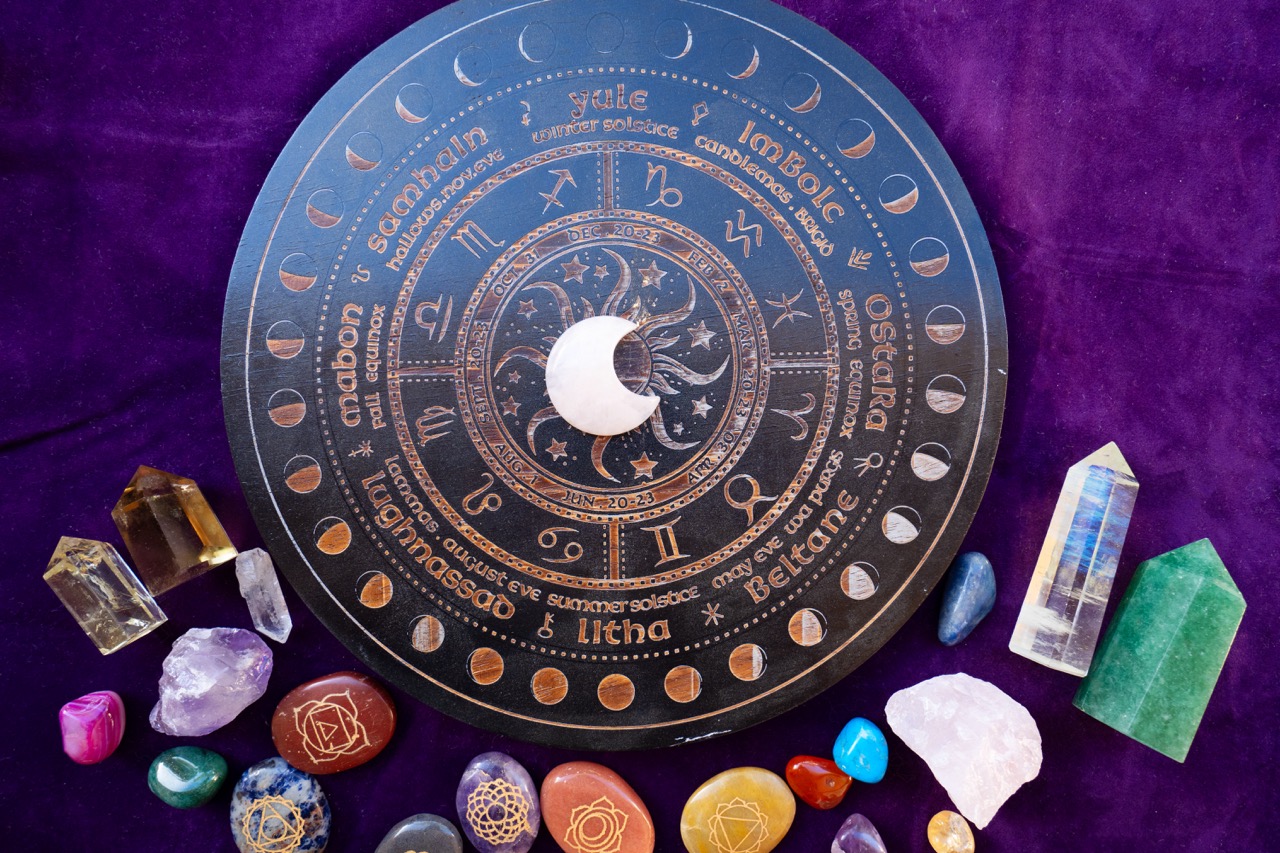

The captivating realm of astrology has long been a source of fascination, linking human lives to the movements of celestial bodies. This article explores the historical evolution of Western astrology, tracing its roots from ancient civilizations through the philosophical insights of the Hellenistic era, into the vibrant revival of the Renaissance, and finally to its modern interpretation. By understanding this rich history, we can gain deeper insights into how astrology can be a valuable tool for self-awareness and personal growth.
The Ancient Roots: Astrology in Babylon and Egypt
The origins of Western astrology can be traced back to the ancient civilizations of Babylon and Egypt, where celestial events were meticulously observed and recorded. Around 2000 BCE, Babylonian astronomers began to correlate celestial phenomena with earthly events, laying the groundwork for astrological practices. They developed a system based on the twelve zodiac signs, associating each sign with specific personality traits and life events. This early form of astrology focused heavily on predicting agricultural cycles, eclipses, and other significant natural occurrences, providing a practical guide for the agrarian society.
In Egypt, astrology flourished alongside the complex religious and cultural beliefs of the time. The Egyptians believed that the stars were manifestations of the divine, and they integrated this belief into their daily lives. The famous astronomer Ptolemy, who lived in the second century CE, drew on both Babylonian and Egyptian astrology in his works. He classified astrological knowledge into a system that would profoundly influence later Western thought. This fusion of observation and spirituality made astrology not just a tool for prediction, but a means of understanding one’s place in the universe.
As these ancient practices spread, they began to intertwine with various other cultural beliefs, including those of the Greeks and Romans. The influence of Babylonian and Egyptian astrology set the stage for a more systematic approach to the celestial bodies, which would eventually lead to the rich tapestry of astrological thought that we see in later periods. The foundations laid in these early civilizations continue to resonate in modern astrological practice, reminding us of our enduring connection to the cosmos.
The Hellenistic Era: Where Astrology Met Philosophy
The Hellenistic period, which followed the conquests of Alexander the Great, marked a significant turning point in the history of astrology. During this time, Greek philosophers began to engage deeply with astrological concepts, seeking to understand the nature of the cosmos and humanity’s place within it. This era saw the integration of astrology with philosophical systems, particularly Stoicism and Neoplatonism, which emphasized the interconnectedness of all things. Astrologers like Claudius Ptolemy wrote extensively, formalizing astrological techniques that are still in use today.
Astrology was no longer just a predictive tool; it evolved into a comprehensive system of understanding human behavior and fate. The Greeks introduced the concept of the "four elements" (earth, air, fire, and water) and the "three modalities" (cardinal, fixed, and mutable), which added depth to the interpretation of zodiac signs. This philosophical foundation allowed astrology to be viewed not merely as a science or a superstition, but as a holistic framework for understanding the relationship between the cosmos and human experience.
As Hellenistic astrology spread throughout the Mediterranean, it began to influence other cultures, merging with Roman beliefs and even early Christian thought. The synthesis of astrology with philosophy also led to debates about free will versus determinism, prompting thinkers to explore how cosmic influences might shape human choices. This rich intellectual discourse laid the groundwork for future astrological thought, emphasizing the importance of individual agency within the context of cosmic patterns.
The Renaissance Revival: Astrology’s Resurgence in the West
The Renaissance, a period of renewed interest in art, science, and humanism, brought about a significant revival of astrology in Western Europe. Scholars and artists alike turned to ancient texts, rediscovering astrological principles that had been overshadowed during the Middle Ages. Figures such as Johannes Kepler and Galileo Galilei began to explore the relationship between astronomy and astrology, seeking to bridge the gap between the two disciplines. This era saw astrology re-emerge as a respected field of study, with many astrological works being published and circulated widely.
Astrology during the Renaissance was characterized by a synthesis of empirical observation and mystical insight. Astrologers began to create more personalized horoscopes, focusing on individual birth charts as a means of understanding one’s life path. This shift towards personal astrology allowed people to explore their unique cosmic fingerprints, offering insights into their strengths, challenges, and potential. The emphasis on individual experience resonated with the Renaissance ideal of self-exploration and human potential, further solidifying astrology’s place in the intellectual landscape of the time.
However, the rise of scientific rationalism in the Enlightenment period brought skepticism toward astrology, leading to a gradual decline in its acceptance. Yet, the seeds planted during the Renaissance would not be forgotten; they would re-emerge later in the 20th century, contributing to the modern resurgence of interest in astrology. The blending of art, science, and spirituality during this period continues to inspire contemporary practices, inviting us to explore the cosmic connections that shape our lives.
Modern Astrology: Bridging Tradition with Contemporary Insight
In the 20th century, astrology experienced a remarkable revival, as individuals began to seek alternative paths to self-awareness and personal growth. The New Age movement, which emphasized spirituality and holistic living, played a significant role in reintroducing astrology to a broader audience. Modern astrologers have adapted ancient techniques and concepts, making them accessible and relevant to contemporary life. The focus has shifted from mere prediction to personal empowerment, with birth charts serving as tools for understanding one’s unique journey.
Today’s astrology often emphasizes psychological insights, integrating concepts from depth psychology and humanistic approaches. Astrologers like Carl Jung highlighted the importance of symbols and archetypes, allowing individuals to explore their inner worlds through the lens of astrology. This modern interpretation invites us to view celestial patterns as reflections of our own experiences, providing a mirror through which we can gain clarity and insight into our lives. The cosmic dance of planets and signs becomes a source of guidance rather than a deterministic fate.
As we continue to navigate a complex world, astrology serves as a bridge between ancient wisdom and modern understanding. Whether one approaches astrology with skepticism or curiosity, it offers a unique framework for exploring the self and our connection to the universe. In a time of uncertainty, astrology invites us to reflect on the cosmic rhythms that influence our lives, providing a sense of harmony and purpose amidst the chaos. By engaging with astrology, we can cultivate a deeper awareness of ourselves and our place in the grand tapestry of existence.
The history of Western astrology is a testament to humanity’s enduring quest for understanding and connection. From its ancient roots to its modern interpretations, astrology has evolved, adapting to the needs of each era while retaining its core essence. As we explore the celestial patterns that shape our lives, we invite you to embrace astrology as a guiding light, fostering self-awareness, personal growth, and a deeper appreciation for the mysteries of the universe.