Astrology has long captivated humanity, offering insights into our personalities, relationships, and life paths. Among the many systems of astrology, Vedic and Western traditions stand out, each with its unique principles and methods. While both seek to elucidate the influence of celestial bodies on human affairs, their approaches can be vastly different. In this exploration, we delve into the core differences between Vedic and Western astrology, the significance of zodiac signs in both systems, how birth charts reveal personal insights, and the practical applications of astrology for self-discovery.
Understanding the Core Differences Between Two Traditions
At the heart of the divergence between Vedic and Western astrology lies their foundational philosophies. Vedic astrology, also known as Jyotish, is rooted in ancient Indian texts and emphasizes a more spiritual and karmic approach. It focuses on the moon’s position and the lunar cycle, placing significant importance on the individual’s karma and life purpose. This method often uses the sidereal zodiac, which aligns with the actual constellations in the sky, leading to a more fixed interpretation of astrological influences.
In contrast, Western astrology, which has evolved from Greco-Roman traditions, centers around the sun’s position at the time of birth. It primarily uses the tropical zodiac, which is aligned with the seasons rather than the stars. This system tends to emphasize psychological traits and personality analysis, providing insights into an individual’s character, motivations, and potential challenges. The focus is more on the individual’s experience in the present and their personal development.
Another notable difference is the techniques employed for predictions and interpretations. Vedic astrology often utilizes a complex system of planetary periods known as Dasha, which allows practitioners to forecast specific life events and periods of growth or hardship. Western astrology, on the other hand, leans towards transits, focusing on the ongoing movement of planets and how they interact with an individual’s natal chart to reflect current life circumstances. These contrasting methodologies highlight not only different interpretative styles but also the varied cultural contexts from which each system originates.
The Role of Zodiac Signs in Vedic and Western Astrology
In both Vedic and Western astrology, zodiac signs serve as fundamental components, yet their interpretations can vary significantly. In Western astrology, the twelve signs are primarily associated with personality traits, desires, and emotional responses. Each sign corresponds to specific characteristics and archetypes, which can help individuals understand their strengths and weaknesses. For example, a Libra may embody balance and harmony, while a Scorpio might be seen as intense and transformative.
Conversely, Vedic astrology assigns zodiac signs a more karmic significance, often linking them to an individual’s life lessons and spiritual journey. Each sign is viewed not just as a descriptor of personality but as a lens through which to understand one’s dharma, or life purpose. The characteristics of a sign in Vedic astrology might also be influenced by the position of the moon, leading to a more nuanced understanding of how a person experiences their astrological influences.
Moreover, the zodiac signs in both traditions can have different ruling planets and elemental associations, which further adds layers of meaning. While a Taurus in Western astrology is ruled by Venus and is often associated with sensuality and comfort, in Vedic astrology, the same sign may also involve a deeper exploration of material attachment versus spiritual growth. This differentiation invites individuals to reflect on their experiences through the unique lenses of both systems, enriching their understanding of themselves.
How Birth Charts Shape Personal Insights Across Cultures
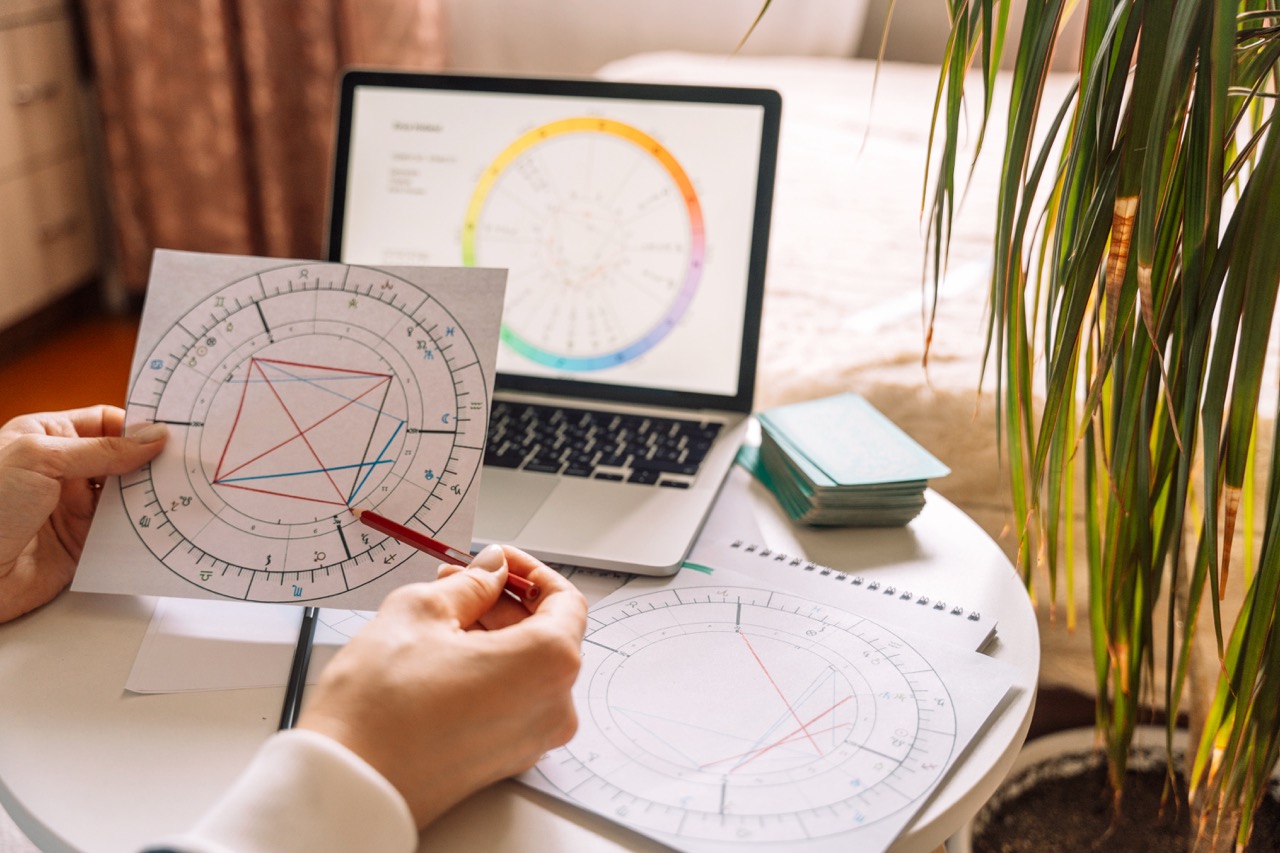
Birth charts, or natal charts, are pivotal in both Vedic and Western astrology, serving as a cosmic blueprint of an individual’s life. In Western astrology, the birth chart is calculated based on the time, date, and location of birth, creating a snapshot of the sky at that moment. This chart reveals the positions of the sun, moon, and planets, each influencing various aspects of life such as career, relationships, and personal growth. Western astrologers interpret these positions to provide insights into personality traits and potential life paths.
In Vedic astrology, the birth chart is similarly calculated but often places a stronger emphasis on the moon’s position and the twelve houses that represent different life areas. The chart, known as the Janam Kundali, reveals not only personal tendencies but also karmic influences and life challenges. Vedic astrologers often look at the placement of planets in specific nakshatras, or lunar mansions, which can add depth to the interpretation, highlighting spiritual lessons and growth opportunities.
Both systems encourage individuals to engage with their birth charts as tools for self-reflection and understanding. By examining the astrological influences at play, individuals can gain valuable insights into their life journeys. Whether it’s understanding personal strengths or navigating challenges, the birth chart serves as a mirror reflecting the complexities of one’s existence and offering pathways for growth and self-awareness.
Practical Applications: Using Astrology for Self-Discovery
Astrology can be a powerful tool for self-discovery and personal growth, regardless of the tradition one chooses to follow. In both Vedic and Western practices, individuals can use their birth charts to identify patterns in their lives, helping them make informed decisions. For example, understanding the influence of transiting planets can guide individuals in recognizing opportune times for change, whether that’s pursuing a new career or fostering relationships.
Additionally, astrology can help individuals explore their emotional landscapes. By reflecting on how specific planetary positions affect their mood and reactions, individuals can develop greater emotional intelligence. Recognizing, for instance, the influence of a Venus retrograde on relationship dynamics can empower individuals to navigate challenges with awareness and grace. This kind of insight can lead to more harmonious interactions and a deeper understanding of oneself and others.
Moreover, both Vedic and Western astrology offer frameworks for understanding life cycles and transitions. By engaging with these systems, individuals can cultivate patience and resilience during difficult times, viewing challenges as opportunities for growth rather than obstacles. Ultimately, astrology invites individuals to embark on a journey of self-exploration, encouraging them to embrace their unique paths and align with the rhythms of the cosmos.
In conclusion, Vedic and Western astrology each offer rich, diverse perspectives on the cosmic influences that shape our lives. While their approaches to understanding zodiac signs, birth charts, and personal insights may differ, both systems provide valuable tools for self-discovery and personal growth. By exploring these traditions, individuals can gain a deeper understanding of themselves and their place in the universe, harnessing the wisdom of the stars to illuminate their life journeys. Whether one feels drawn to the spiritual insights of Vedic astrology or the psychological depth of Western astrology, both paths ultimately lead to greater self-awareness and connection with the cosmic tapestry we are all a part of.