===
In recent years, the conversation surrounding mental health has expanded to include various holistic practices, including astrology. While some may view astrology as mere superstition, many find solace and insight through its celestial guidance. The exploration of astrology and mental health conversations invites individuals to reflect on their emotional landscapes and personal journeys, ultimately fostering a deeper understanding of themselves. This article delves into how astrology can serve as a powerful tool for self-awareness and emotional well-being.
Exploring the Connection Between Astrology and Mental Health
Astrology offers a unique lens through which individuals can explore their mental health. By interpreting the positions of celestial bodies at the time of one’s birth, astrology provides insights into personality traits, emotional tendencies, and potential challenges. For many, reading their astrological chart can reveal patterns in behavior and emotional responses, helping to illuminate aspects of the self that may require attention or healing. This self-reflection can be particularly beneficial for those navigating mental health struggles, as it encourages a greater understanding of one’s emotional responses.
Incorporating astrology into mental health conversations can also help destigmatize the discussion around emotional well-being. When individuals share their astrological insights, it can create a more supportive space for dialogue. Rather than viewing mental health issues in isolation, astrology invites a holistic approach, recognizing the interplay between cosmic influences and personal experiences. This perspective can empower individuals to take charge of their mental health by recognizing the cyclical nature of emotions and how they may align with astrological transits.
Moreover, astrology can serve as a source of comfort and guidance during challenging times. For instance, understanding the influence of transiting planets can help individuals anticipate emotional shifts and prepare for periods of introspection or growth. By framing these changes within an astrological context, individuals may feel more equipped to navigate the complexities of their mental health journeys, finding reassurance in the idea that they are part of a larger cosmic tapestry.
How Zodiac Signs Influence Emotional Well-Being
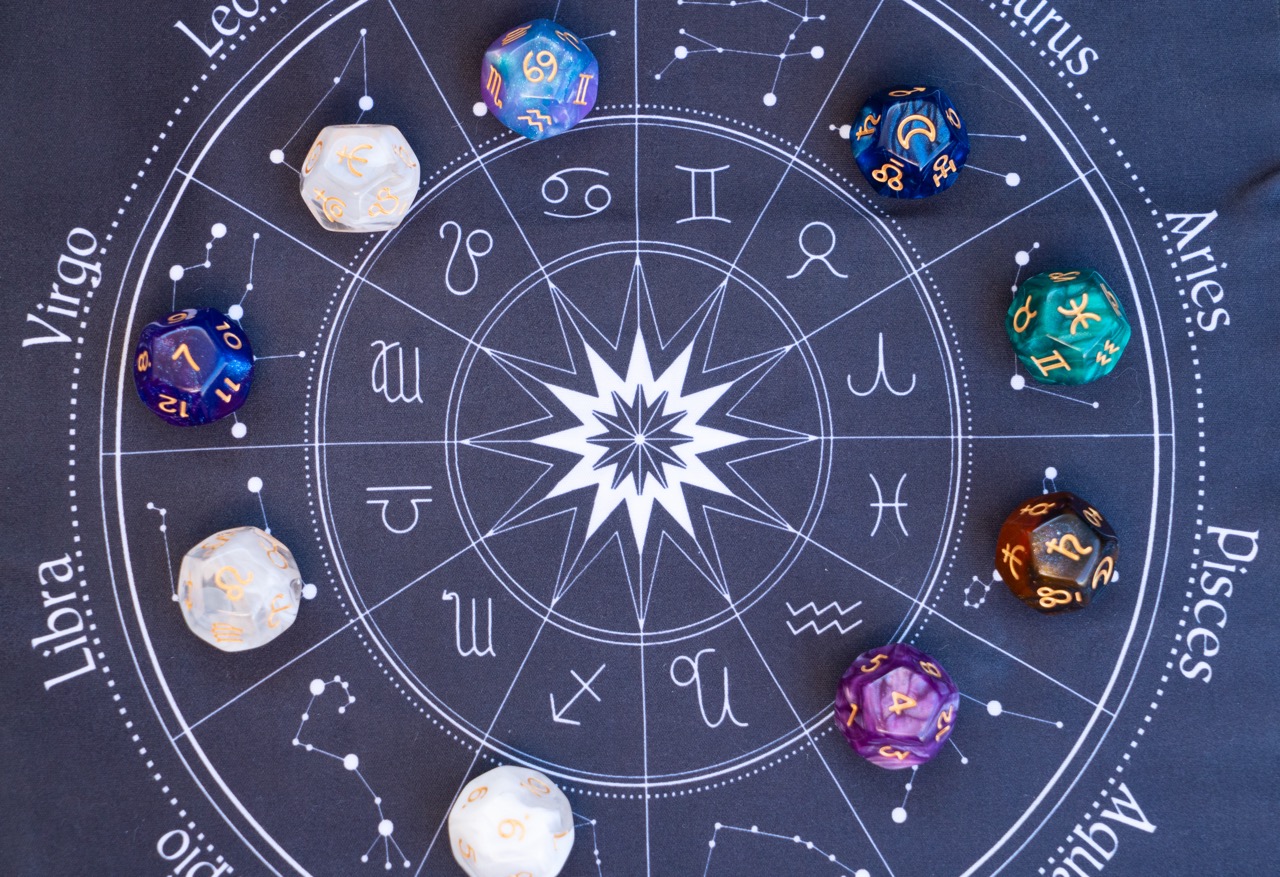
Each zodiac sign embodies distinct emotional characteristics that can influence an individual’s mental health. For instance, water signs like Cancer, Scorpio, and Pisces are often deeply intuitive and sensitive, which can lead to heightened emotional experiences. These signs may excel in empathy and emotional connection but may also be prone to mood swings and emotional overwhelm. Acknowledging these traits can help individuals embrace their strengths while being mindful of their emotional vulnerabilities.
Conversely, fire signs such as Aries, Leo, and Sagittarius are known for their energetic and passionate nature. While these signs often exude confidence and enthusiasm, they may also struggle with impulsivity and frustration, particularly when their desires are thwarted. Understanding how these traits manifest can empower fire signs to channel their energy productively, fostering resilience and emotional balance. In recognizing the strengths and challenges associated with their zodiac sign, individuals can gain valuable insights into their emotional well-being.
Earth signs, including Taurus, Virgo, and Capricorn, typically embody practicality and stability. While these qualities can anchor individuals during turbulent times, they may also lead to overthinking and rigidity, which can impact mental health. By exploring the emotional landscape through the lens of their zodiac signs, individuals can learn to cultivate flexibility and adaptability, ultimately enhancing their emotional resilience. This exploration invites a deeper understanding of how zodiac traits can shape emotional experiences and influence mental health.
Birth Charts: A Tool for Understanding Your Inner Self
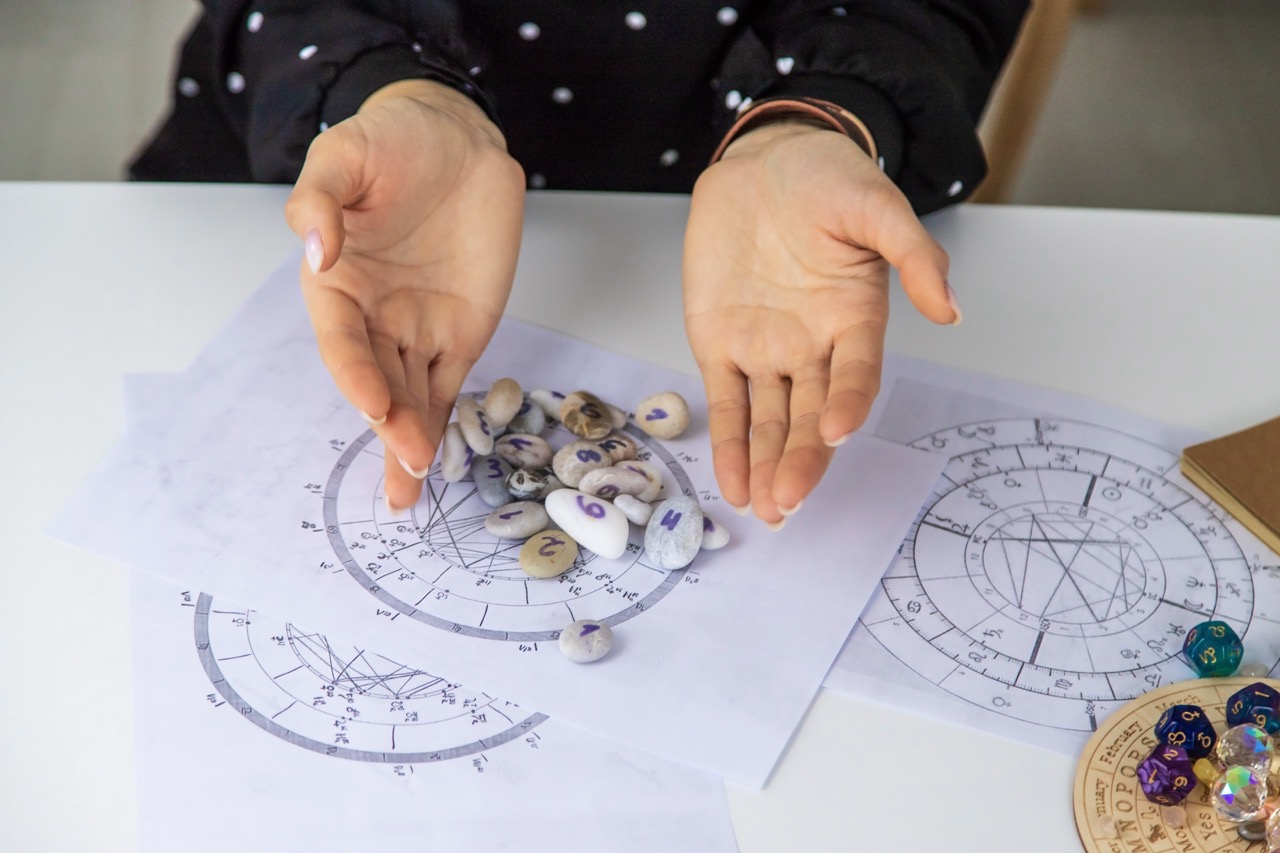
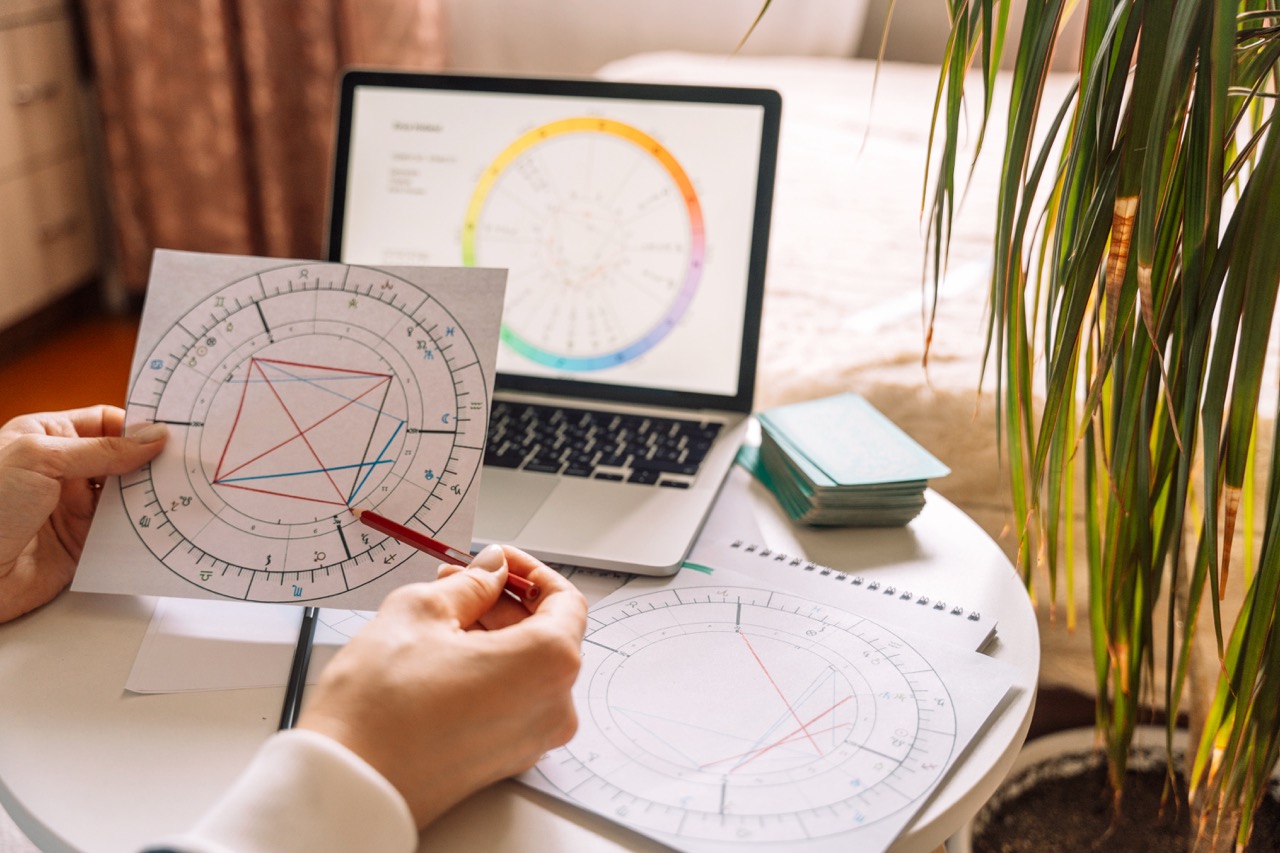
A birth chart serves as a personalized map of the heavens at the time of one’s birth, providing profound insights into individual personality traits and emotional patterns. By examining the positions of the sun, moon, and planets, individuals can uncover hidden aspects of their psyche, including core desires, fears, and coping mechanisms. This self-discovery process can be invaluable for those seeking to understand their mental health better, as it illuminates the underlying motivations driving their emotional responses.
The moon’s placement in one’s birth chart, for instance, can reveal how an individual processes emotions and nurtures themselves. Understanding this lunar influence can guide individuals in identifying their emotional needs and developing strategies for self-care. Similarly, the placement of Mercury can shed light on communication styles, which is crucial for expressing feelings and navigating interpersonal relationships. By engaging with their birth chart, individuals can gain clarity on how their astrological influences shape their mental health experiences.
Moreover, the practice of revisiting one’s birth chart during significant life changes or challenges can serve as a grounding exercise. As individuals navigate transitional periods, they can reflect on their astrological insights to gain perspective and reassurance. This cyclical approach to self-reflection fosters resilience, enabling individuals to embrace their unique journeys while remaining connected to their inner selves.
Using Astrology to Foster Personal Growth and Awareness
Astrology can be a powerful ally in fostering personal growth and increasing self-awareness. By exploring the lessons associated with their zodiac signs and birth charts, individuals can identify areas for improvement and focus on personal development. For instance, those with a strong emphasis on Virgo traits may benefit from nurturing self-compassion and letting go of perfectionism, while those influenced by Libra may work on establishing healthier boundaries in relationships. This targeted approach allows individuals to harness their astrological insights for meaningful growth.
Additionally, astrology encourages individuals to reflect on their emotional triggers and responses. By recognizing how certain planetary transits impact their moods and behaviors, individuals can develop healthier coping mechanisms and emotional strategies. For example, a challenging transit involving Saturn may prompt feelings of restriction or inadequacy, but understanding this influence can empower individuals to use it as an opportunity for self-discipline and growth. This proactive approach fosters resilience and emotional intelligence.
Ultimately, using astrology as a tool for personal growth invites individuals to embrace their unique journeys with compassion and curiosity. By acknowledging the interplay between cosmic influences and personal experiences, individuals can cultivate a deeper understanding of themselves and their emotional landscapes. This journey of self-discovery can lead to transformative insights, empowering individuals to navigate life’s challenges with grace and resilience.
===
Astrology, when woven into the fabric of mental health conversations, offers a rich tapestry of insights and understanding. By exploring the connections between zodiac signs, birth charts, and emotional well-being, individuals can embark on a journey of self-discovery and personal growth. The celestial patterns that influence our lives can serve as guiding stars, illuminating the path toward greater awareness and resilience. Embracing astrology as a tool for mental health not only fosters deeper self-awareness but also encourages open dialogue, empowering individuals to navigate their emotional landscapes with confidence and compassion.