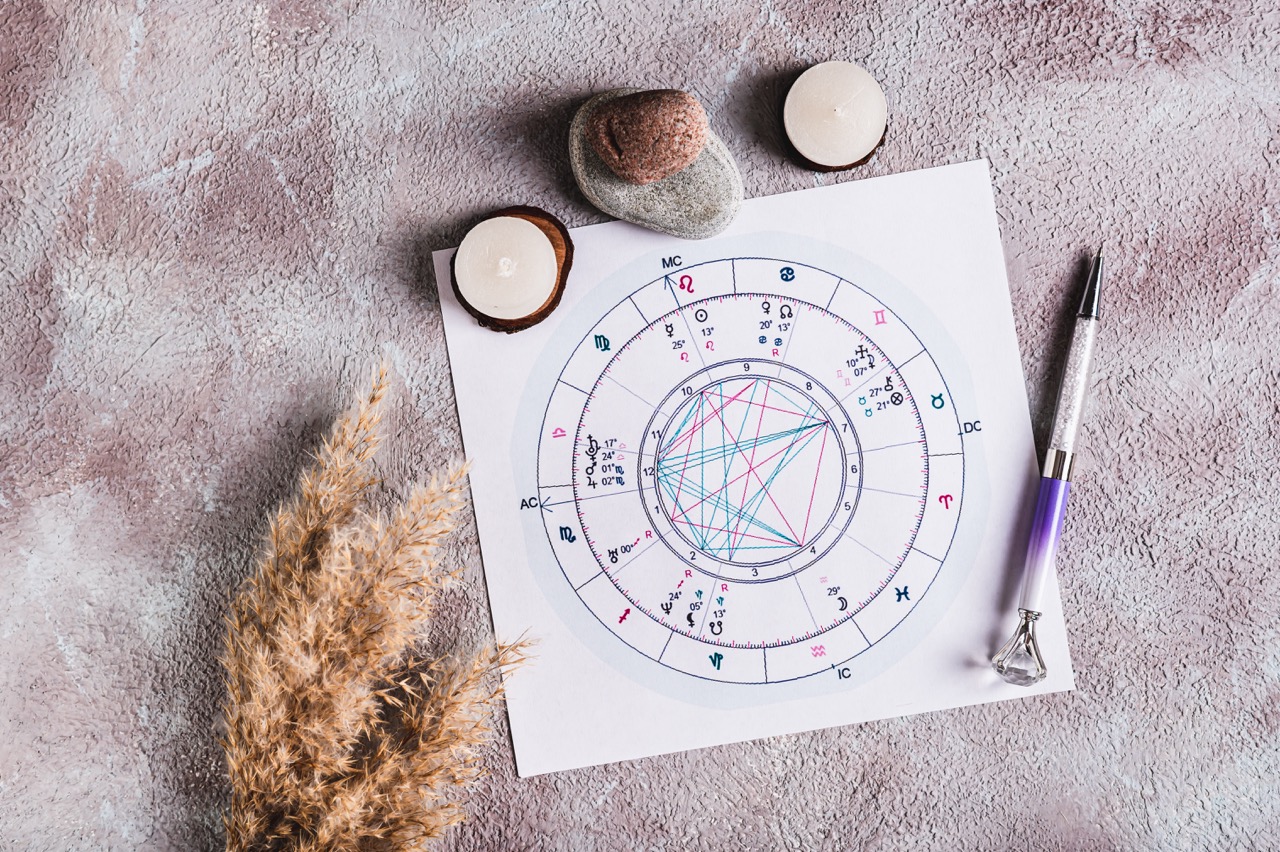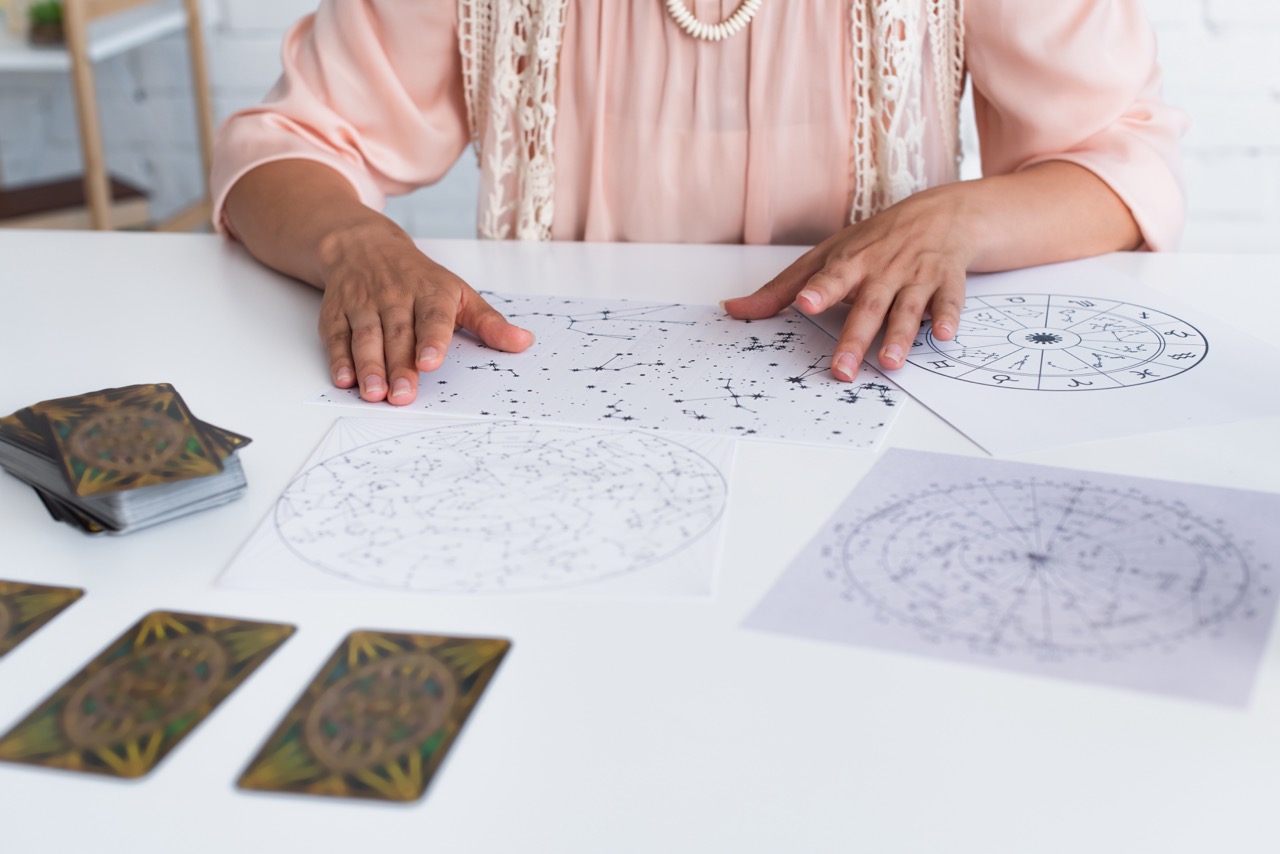

Astrology has long been a guiding light for those seeking understanding within the cosmos. Its intricate symbols and celestial influences offer more than just forecasts; they connect deeply with the rhythms of time itself. Symbolic timekeeping, when viewed through the lens of astrology, reveals how our perceptions of time are intricately interwoven with cosmic patterns. This exploration invites us to consider how the movements of celestial bodies shape not only our destinies but also our daily experiences and interactions.
The Cosmic Connection: Astrology Meets Timekeeping
The cosmos operates on a rhythm that transcends the physical world, and astrology serves as a bridge to understanding this universal pulse. The positions of the planets, the phases of the moon, and the shifting constellations all play pivotal roles in the flow of time as perceived by humanity. Each of these celestial bodies has its own symbolic significance, creating a tapestry of influence that reflects our internal and external lives. For instance, the lunar cycles remind us of the ebb and flow of emotions, while the solar movements can signify new beginnings and personal growth.
Astrology teaches us that every moment is imbued with meaning, and by aligning ourselves with cosmic rhythms, we can navigate life with greater awareness. When we engage with our astrological charts, we find that our birth times and planetary alignments not only define who we are but can also serve as a cosmic calendar. Each phase, whether it’s a new moon or a retrograde period, offers unique insights that can guide our decisions and enhance our understanding of time itself.
In this way, symbolic timekeeping is not just about counting hours or marking days; it’s about attuning ourselves to the universe’s rhythm. The conjunctions and oppositions of planets can signal significant moments in our lives, allowing us to harness these energies for personal transformation. By embracing the cosmic connection, we can cultivate a deeper sense of purpose and clarity in our daily existence.
Understanding Symbolic Time: A Celestial Perspective
Symbolic time extends beyond mere chronological measurements; it embodies the essence of cosmic cycles and their impact on human experience. In astrology, time is often viewed as cyclical, where events and experiences recur in different forms as we progress through life. This perspective encourages us to recognize patterns and themes that can inform our journey, suggesting that each moment has the potential for significance rooted in the cosmic order.
Celestial phenomena, such as eclipses and planetary transits, are often seen as markers of symbolic time, offering windows of opportunity for growth and change. For instance, a solar eclipse might symbolize a time for new beginnings, while a lunar eclipse can bring closure and reflection. Astrologers often advise aligning personal intentions with these cosmic events to maximize their potential, illustrating how our lives can sync harmoniously with the universe’s timing.
Understanding symbolic time also invites contemplation of how our individual experiences relate to broader cycles. As we navigate through the seasons of our lives, we can find comfort in knowing that we are part of a larger cosmic narrative. This awareness empowers us to embrace the unfolding journey, fostering patience and resilience as we wait for the right moments to act or reflect.
How Zodiac Signs Influence Our Perception of Time
Each zodiac sign carries its own unique energy and symbolism, shaping how we perceive and interact with time. For example, Aries, as a fire sign, embodies a sense of urgency and immediacy, often viewing time as a series of opportunities to seize. In contrast, Taurus, an earth sign, tends to appreciate the slower, more deliberate aspects of time, valuing stability and consistency in their pursuits. Understanding these differences can help us recognize why we may approach time management and planning in varied ways.
Moreover, the elemental qualities of each sign—fire, earth, air, and water—further influence our relationship with time. Air signs like Gemini and Aquarius may thrive on spontaneity and change, often finding themselves engaging in multiple tasks simultaneously. Water signs, such as Cancer and Pisces, may navigate time with an emotional lens, often reflecting on past experiences and envisioning future possibilities. By acknowledging these distinctions, we can learn to appreciate the diverse ways in which we and others experience time.
Astrology also suggests that our personal birth charts can reveal insights into how we handle timing in our lives. For instance, someone with a prominent Saturn placement may take a more disciplined approach to time, valuing structure and responsibility. In contrast, a chart rich in Neptune might indicate a more fluid perception of time, where moments can feel less linear and more dreamlike. By exploring these astrological nuances, we can better understand our individual time management styles and harmonize them with our innate tendencies.
Practical Applications of Astrology in Daily Life
Incorporating astrology into our daily lives can offer profound insights into how we manage time and make decisions. By paying attention to planetary transits and lunar phases, we can align our intentions with the cosmic flow. For example, planning important activities during a waxing moon can be advantageous for new beginnings, while the waning moon can serve as a time for reflection and letting go. This alignment with lunar cycles can enhance our productivity and emotional well-being.
Additionally, understanding the characteristics of our zodiac signs can help us set realistic goals and deadlines. For instance, if you’re a Capricorn, you may thrive on long-term planning and structured timelines, while a Sagittarius might prefer a more flexible approach. By recognizing these tendencies, we can create environments and schedules that resonate with our intrinsic nature, reducing stress and fostering a sense of fulfillment.
Astrology can also empower us to navigate challenges with greater awareness. When we face obstacles, identifying the astrological influences at play can provide clarity and perspective. For instance, during a Mercury retrograde, we might anticipate communication breakdowns and take proactive steps to mitigate misunderstandings. By viewing these challenges through an astrological lens, we can not only adapt more effectively but also cultivate a deeper understanding of ourselves and the world around us.
Astrology and symbolic timekeeping invite us to explore the depths of our existence through the lens of the cosmos. By understanding the intricate connections between celestial movements and our perceptions of time, we can cultivate a more profound sense of awareness in our daily lives. As we embrace the rhythms of the universe, we empower ourselves to navigate life’s complexities with grace, purpose, and insight. Ultimately, astrology serves as a valuable tool for personal growth, helping us align with our true selves and the cosmic dance that surrounds us.