
Astrology has captivated humanity for centuries, serving as a guide to understanding ourselves and the world around us. Central to this practice is the art of horoscope writing and interpretation. By exploring the essentials of zodiac signs, birth charts, and celestial movements, we can unlock the wisdom of the cosmos and apply it to our everyday lives. This article delves into the foundational elements of horoscope writing and interpretation, offering insights to both beginners and seasoned enthusiasts.
Understanding the Foundations of Horoscope Writing
Horoscope writing begins with the recognition of the celestial bodies and their positions at the time of one’s birth. Each individual is born under a specific sun sign, influenced by the alignment of planets and the twelve houses of astrology. This foundational understanding allows astrologers to craft personalized horoscopes that reflect the unique characteristics and challenges of each person. The integration of various astrological elements—such as the moon sign, rising sign, and planetary aspects—adds depth and nuance to horoscope writing.
Fundamentally, horoscope writing requires a balance between technical knowledge and intuitive insight. Astrologers must familiarize themselves with astrological terminology, such as aspects (the angles between planets) and transits (the current positions of planets in relation to natal placements). However, the true art lies in interpreting these elements in a way that resonates with the reader. A successful horoscope weaves together factual information and empathetic understanding, creating a narrative that feels both personal and insightful.
Moreover, ethical considerations are crucial in horoscope writing. Astrologers should strive to provide guidance without imposing limitations on the reader’s autonomy. It’s important to empower individuals to make their own choices, using the insights gained from astrology as a tool for self-reflection rather than a deterministic blueprint for their lives. This approach fosters a more meaningful connection between the astrologer and the reader, creating a space where growth and understanding can flourish.
Key Elements of Zodiac Signs and Their Meanings
Each of the twelve zodiac signs carries its own unique attributes, strengths, and challenges. These signs are grouped into four elements: fire, earth, air, and water, each representing different aspects of human experience. Fire signs (Aries, Leo, Sagittarius) are known for their passion and dynamism, while earth signs (Taurus, Virgo, Capricorn) embody practicality and stability. Air signs (Gemini, Libra, Aquarius) are characterized by intellectual curiosity, and water signs (Cancer, Scorpio, Pisces) are deeply intuitive and emotional.
Understanding the characteristics of each sign is essential for writing effective horoscopes. For instance, an Aries might be described as adventurous and assertive, while a Pisces may be depicted as compassionate and imaginative. By tapping into these inherent qualities, astrologers can craft horoscopes that resonate with the individual’s personality and life experiences. Each sign also has ruling planets, which further influence their traits; for example, Mars governs Aries, imbuing it with assertiveness, while Venus rules Taurus, emphasizing beauty and love.
Additionally, aspects between planets can significantly alter the expression of a zodiac sign. For instance, a person with a strong emphasis on Leo may exhibit different qualities if their sun is in a challenging aspect with Saturn, which could indicate obstacles in self-expression. Recognizing these nuances allows astrologers to create more accurate and insightful horoscopes that reflect the complexities of human nature.
Techniques for Interpreting Birth Charts Effectively
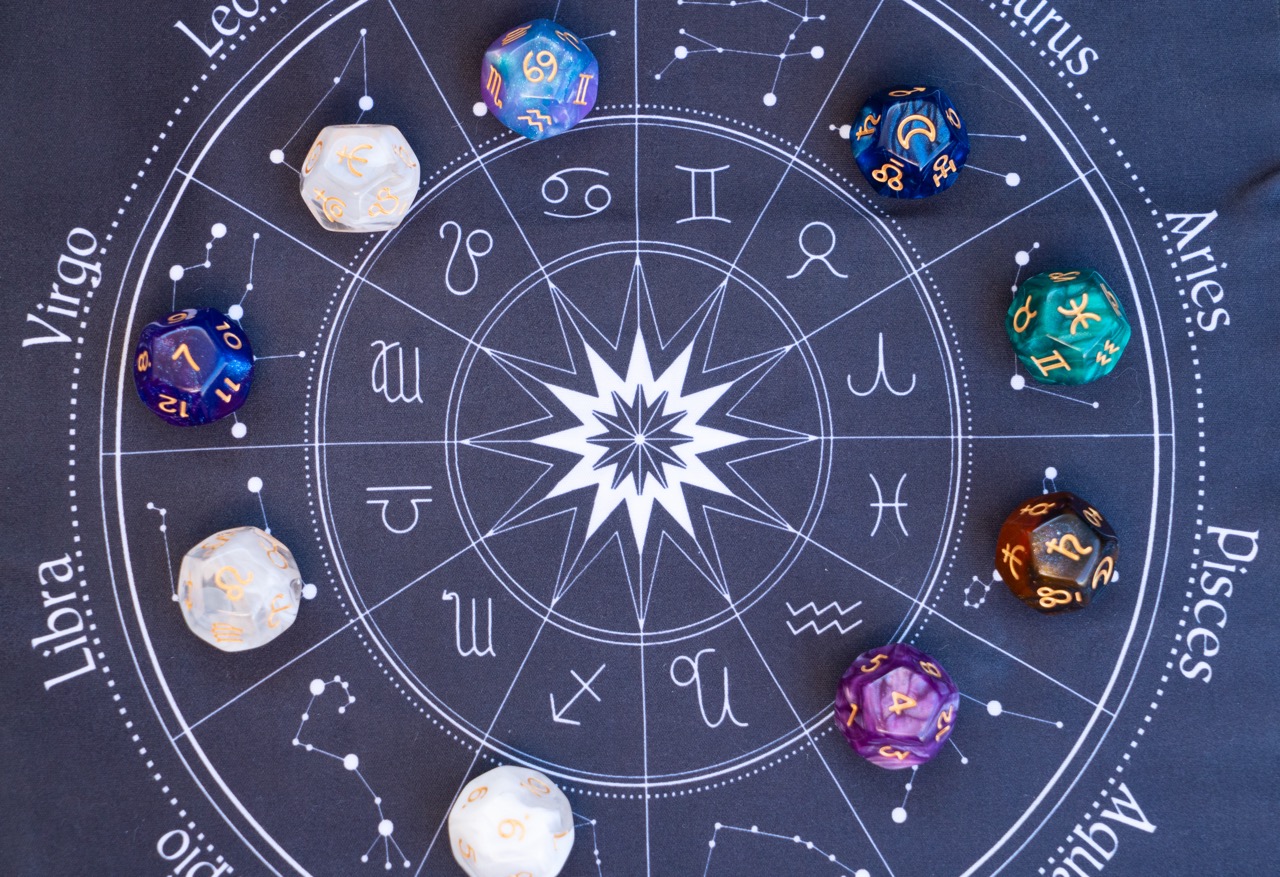
The birth chart, or natal chart, serves as a cosmic blueprint of an individual’s life. Interpreting this chart involves analyzing the positions of the planets in relation to the twelve houses, each representing different life areas such as career, relationships, and personal growth. A skilled astrologer knows how to read these placements and understand the interactions between various planetary influences. For instance, a person with their sun in the 10th house may have a strong focus on career and public image.
One effective technique for interpreting birth charts is to look for patterns and clusters of planets. Planets that are closely aligned can amplify each other’s energies, while those in opposition may indicate internal conflict. Additionally, examining the aspects between planets provides deeper insights into how different parts of the personality interact. For example, a harmonious aspect between Venus and Jupiter might suggest a natural talent for attracting abundance and love, while a challenging aspect between Mars and Saturn may indicate struggles with assertiveness.
Furthermore, understanding the transits—current planetary movements in relation to the natal chart—can provide valuable insights into timing and opportunities for growth. Astrologers often look at transits to predict potential challenges or moments of personal evolution. For instance, a significant transit of Saturn might encourage a period of hard work and discipline, while a Jupiter transit could signify expansion and new opportunities. This dynamic interplay between the natal chart and transits makes astrology an ever-evolving practice.
Applying Astrology for Personal Growth and Awareness
Astrology can serve as a powerful tool for personal growth and self-awareness. By reflecting on the insights gained from horoscope writing and birth chart interpretation, individuals can gain a deeper understanding of their strengths and weaknesses. This awareness can lead to informed decision-making and a greater sense of empowerment in navigating life’s challenges. For example, someone with a strong Scorpio influence may find that embracing their intensity can lead to transformative experiences.
Moreover, astrology encourages individuals to explore their emotional landscape. The insights gleaned from their moon sign, for instance, can reveal how they process feelings and respond to emotional situations. By acknowledging these patterns, individuals can cultivate healthier relationships and improve their emotional well-being. Astrology invites us to be curious about our inner workings, fostering a deeper connection to ourselves and others.
Finally, astrology can be a source of comfort and guidance during challenging times. By understanding the cyclical nature of planetary movements, individuals can better navigate periods of uncertainty. For instance, knowing that a Saturn return often signifies a time of significant life change allows individuals to approach these transitions with a sense of purpose and awareness. Embracing astrology as a guiding light can ultimately lead to a more fulfilling and conscious life journey.
In conclusion, the art of horoscope writing and interpretation serves as a bridge between the cosmos and our everyday experiences. By understanding the foundations of zodiac signs, birth charts, and astrological techniques, we can harness the wisdom of the stars to foster personal growth and self-awareness. As we navigate the complexities of life, astrology offers us a valuable framework for understanding ourselves and our place in the universe. By embracing this ancient practice, we open ourselves up to new insights and possibilities, allowing the cosmic rhythm to guide us on our journey.