Psychic traditions have long captivated human imagination, offering insights into the unseen forces that shape our lives. From the oracles of ancient Greece to the vibrant practices of Indigenous cultures, these traditions reflect a rich tapestry of beliefs and practices that vary widely across the globe. In this article, we will explore how different cultures approach psychic phenomena, focusing on the role of ancestors, rituals and symbolism, astrology, and modern adaptations of these age-old practices.
The Role of Ancestors in Psychic Practices Worldwide
Across many cultures, the connection to ancestors plays a pivotal role in psychic practices. In Indigenous African traditions, for example, ancestors are often consulted through spiritual mediums, who act as conduits between the living and the departed. This communication is believed to provide guidance, wisdom, and protection, reinforcing the idea that the past continuously influences the present. Such practices emphasize the importance of lineage and collective memory, reminding individuals of their roots and responsibilities to their community.
Similarly, in East Asian cultures, ancestor veneration is a deeply ingrained practice that shapes various psychic beliefs. In countries like China and Japan, rituals such as the Qingming Festival allow families to honor their ancestors through offerings and prayers. The spiritual connection is thought to enhance one’s fortune and well-being, as ancestors are seen as guardians who watch over their descendants. This belief fosters a sense of continuity and belonging, grounding individuals within a broader historical context.
In Western traditions, particularly within Wicca and other neopagan movements, ancestry plays a crucial role in personal practices. Wiccans often invoke their ancestors during rituals, seeking their guidance and blessings. This connection serves as a reminder of the wisdom passed down through generations, emphasizing the importance of learning from the past while forging one’s path. Such practices highlight the universal significance of ancestors, transcending cultural boundaries and resonating deeply within the human experience.
Rituals and Symbolism: A Cross-Cultural Exploration
Rituals and symbolism are the heartbeat of psychic traditions, serving as a means to connect the tangible world with spiritual realms. In many Indigenous cultures, rituals often involve intricate dances, music, and the use of sacred objects. For instance, Native American ceremonies frequently incorporate the use of drums and feathers, believed to carry spiritual vibrations that facilitate a connection with the divine. These rituals provide a structured way for individuals to access psychic insights, making the unseen world more accessible.
In contrast, in the Hindu tradition, rituals such as puja (worship) involve a myriad of symbols, from flowers and incense to deities represented through idols. Each element holds specific meanings, creating a rich tapestry of symbolism that invites participants to engage with the divine. The use of yantras, geometric designs believed to represent cosmic energy, further illustrates how symbolism can serve as a conduit for psychic insights. Through these rituals, practitioners not only seek guidance but also cultivate a deeper understanding of their own spiritual journey.
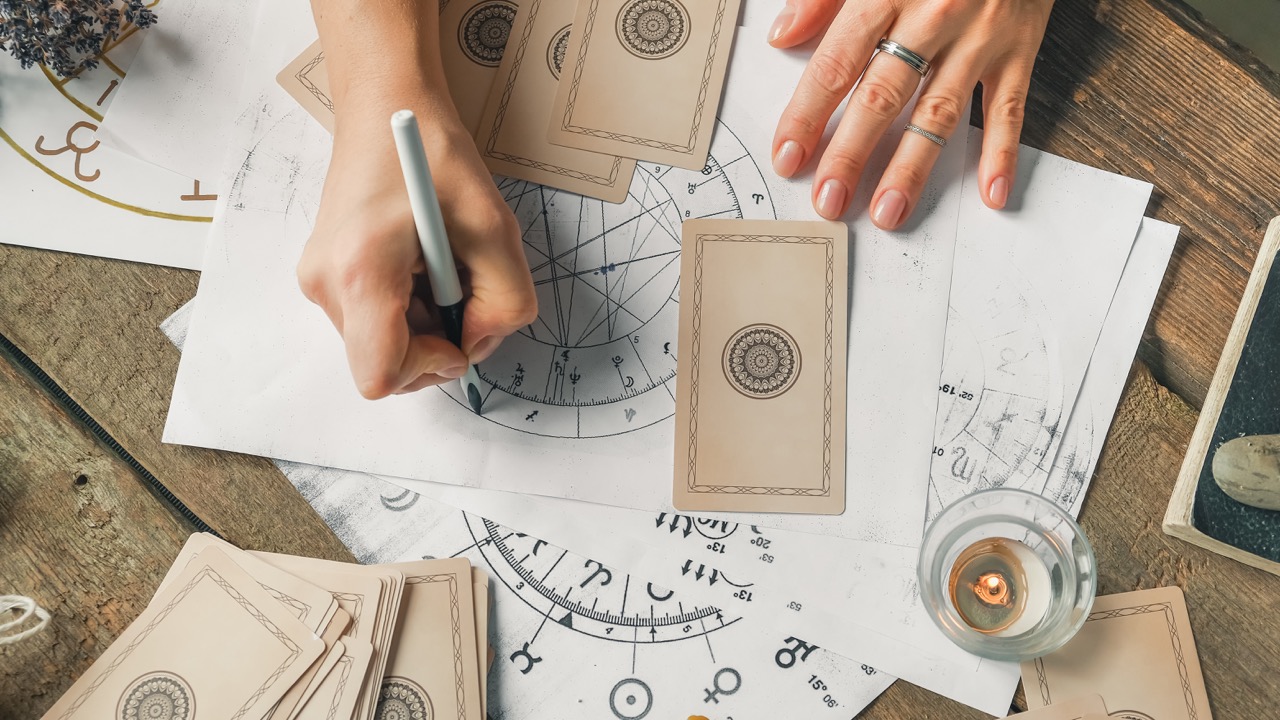
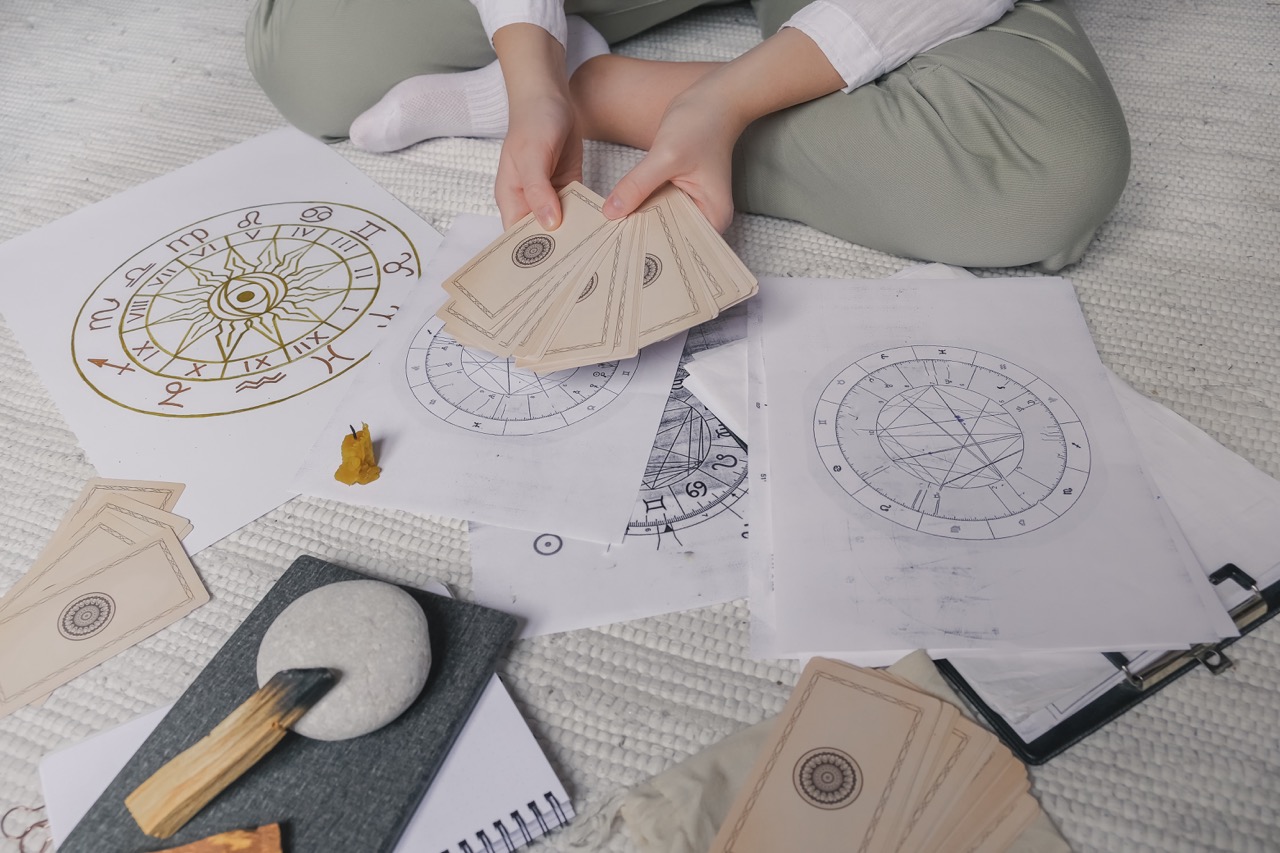
In Western esotericism, symbolism often manifests through tarot cards, where each card is imbued with layers of meaning. Practitioners use these cards as tools for divination, tapping into their intuitive faculties to glean insights about current life situations. The imagery and archetypes present in tarot resonate with universal human experiences, bridging the gap between the individual and the collective unconscious. This exploration of rituals and symbolism across cultures reveals a shared human desire to connect with the deeper aspects of existence, offering pathways to understanding and self-discovery.
Astrology: Connecting Stars to Cultural Beliefs and Values
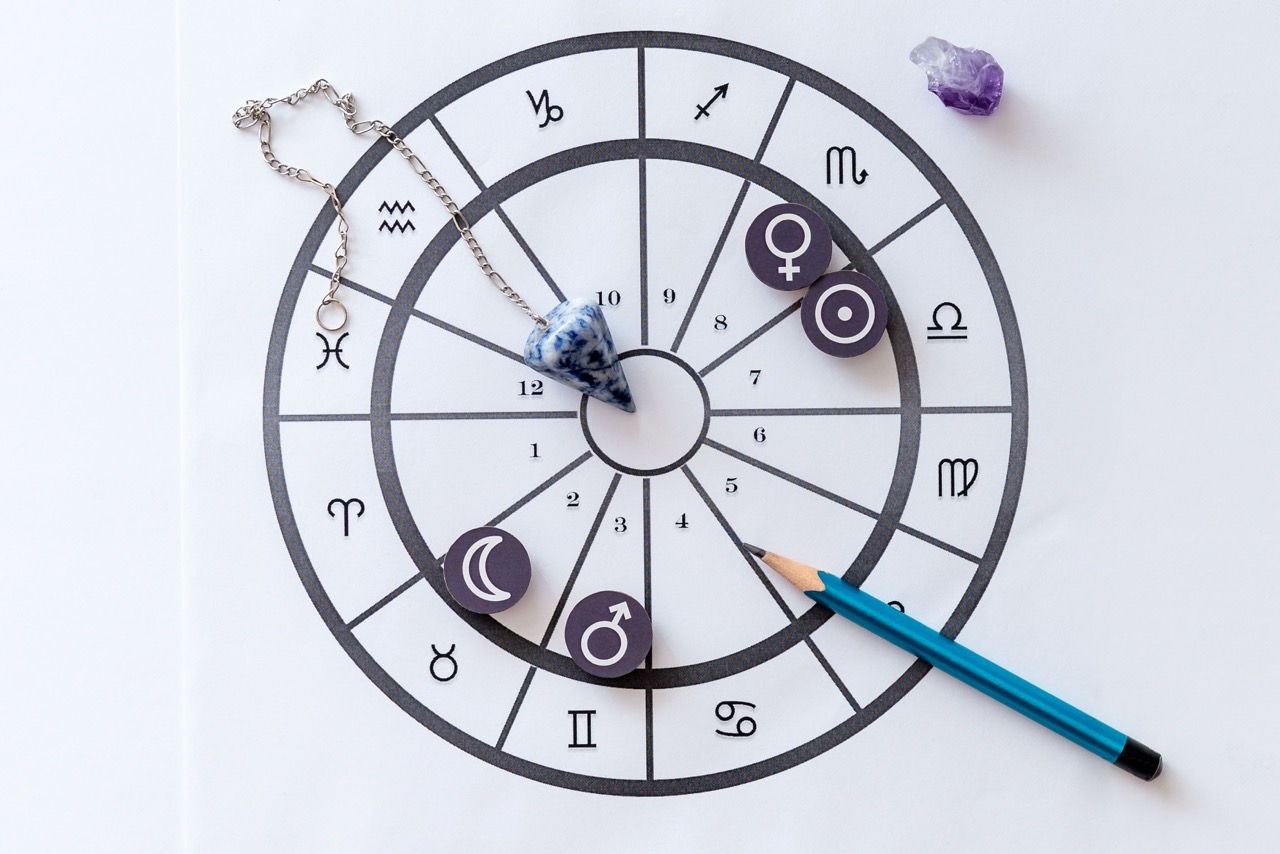
Astrology serves as a fascinating lens through which to view cultural beliefs and values, varying significantly from one tradition to another. In Western astrology, the zodiac signs are often associated with personality traits, providing insights into individual behaviors based on celestial positions at the time of birth. This approach emphasizes personal responsibility and self-awareness, encouraging individuals to explore their unique paths in life. The twelve signs, each with their own elemental and modal affiliations, create a rich tapestry of self-exploration that resonates with many.
In contrast, Vedic astrology, or Jyotish, from India, places greater emphasis on karma and spiritual growth. This ancient tradition utilizes a different zodiac system, known as the sidereal zodiac, which aligns with the actual positions of stars. Vedic astrology incorporates a more holistic approach, considering the influence of planetary periods (Dasha) on an individual’s life journey. This perspective fosters a sense of acceptance and understanding of life’s cycles, encouraging practitioners to view challenges as opportunities for growth.
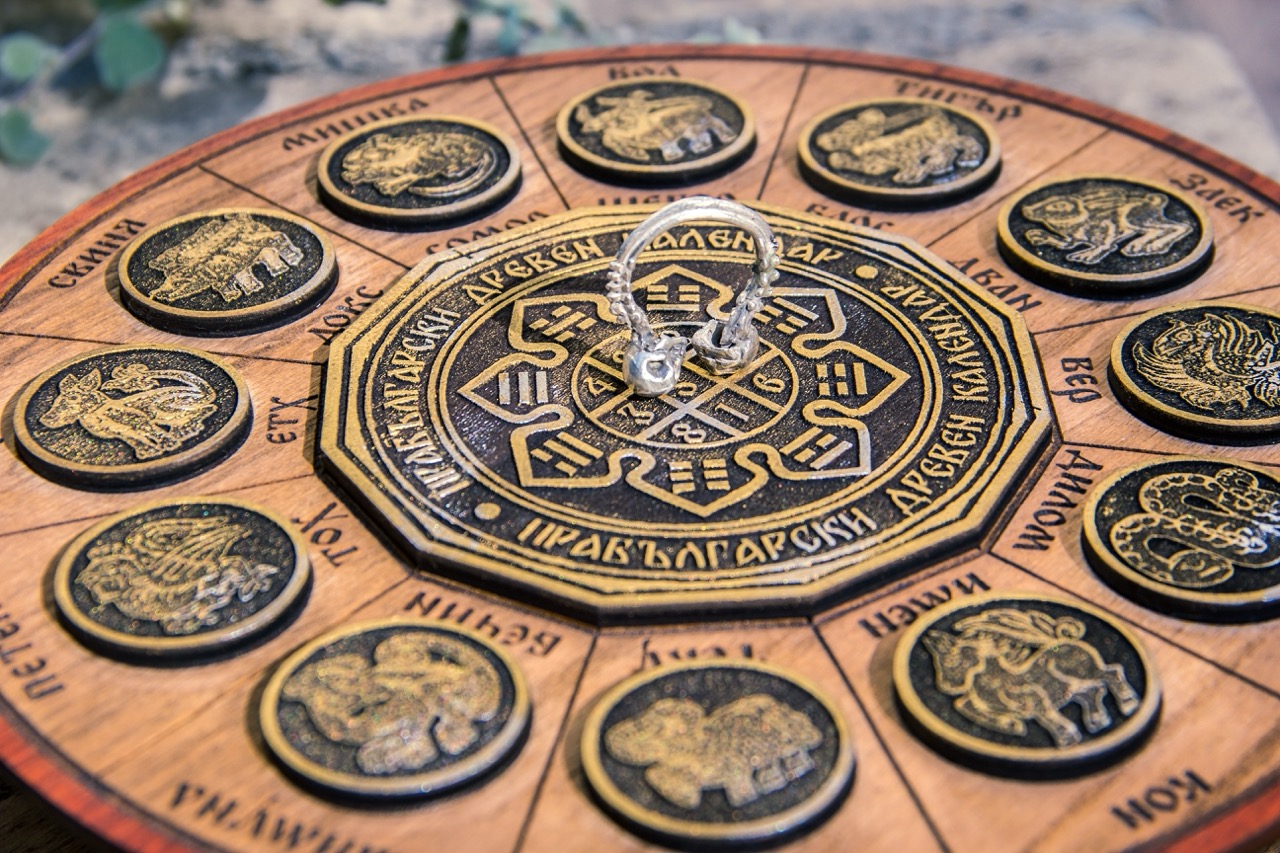
In Chinese astrology, the twelve animal signs reflect not only personality traits but also broader societal values. Each year is associated with a different animal, and the characteristics of that animal influence the qualities of individuals born during that year. Additionally, the interplay of the five elements—Wood, Fire, Earth, Metal, and Water—further enriches this astrological framework. Chinese astrology emphasizes harmony with nature and the cyclical nature of life, encouraging individuals to align their actions with the rhythms of the universe. This cultural diversity in astrological practices showcases how celestial patterns can shape beliefs and values in distinct yet meaningful ways.
Modern Adaptations: Blending Tradition with Contemporary Insights
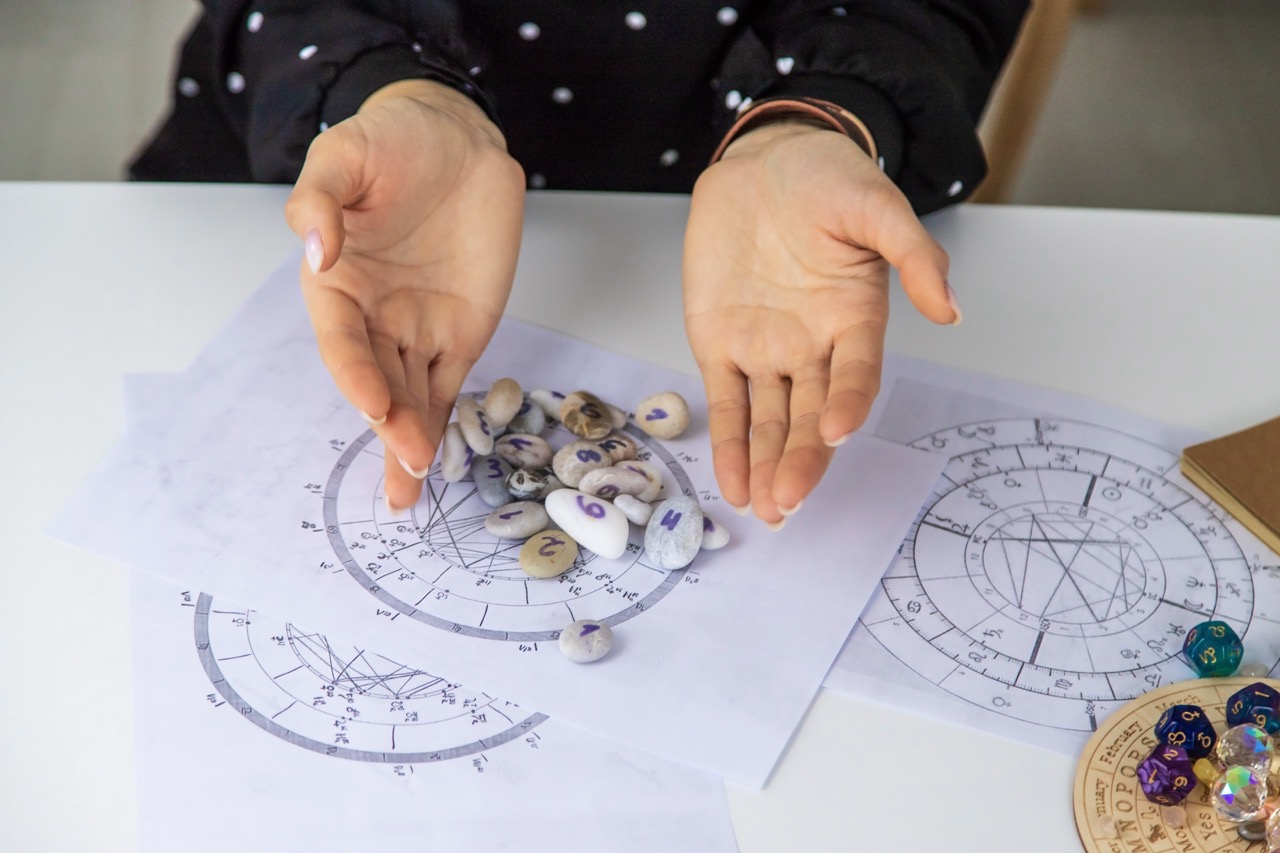
As the world becomes increasingly interconnected, many psychic traditions are adapting to contemporary contexts, blending ancient wisdom with modern insights. In the realm of astrology, this has led to the emergence of various online platforms and apps, allowing individuals to access personalized birth charts and daily horoscopes effortlessly. These modern tools have made astrology more accessible, inviting a broader audience to engage with its insights. This democratization of knowledge encourages self-reflection and personal growth, making astrology a valuable resource for navigating the complexities of modern life.
Moreover, many practitioners are integrating concepts from psychology and personal development into their psychic practices. For instance, the use of astrology in therapeutic settings has gained popularity, with practitioners guiding clients to explore their birth charts as a means of understanding their emotional and psychological patterns. This fusion of ancient and contemporary approaches fosters a deeper connection between individuals and their innate potentials, emphasizing the importance of self-awareness as a tool for healing.
Additionally, the rise of social media has allowed for the sharing of diverse psychic traditions, creating a vibrant community where individuals can learn from one another. This exchange of ideas has sparked a renewed interest in practices such as tarot, crystal healing, and energy work, as people seek to find meaning and connection in their lives. The blending of tradition with contemporary insights not only keeps these practices alive but also enriches them, inviting individuals to explore the depths of their own spirituality in a rapidly changing world.
As we navigate the diverse landscape of psychic traditions worldwide, it becomes clear that these practices are more than mere curiosities; they are integral to the human experience. By understanding how various cultures approach these mystical insights, we can appreciate the rich tapestry of beliefs that shape our understanding of the universe. Whether through ancestral connections, rituals, astrology, or modern adaptations, these traditions invite us to explore the unseen forces that guide our lives, fostering a sense of belonging and self-awareness in an ever-evolving world.