☉Astrology♁Birth Charts♌Zodiac
Lessons From The Astrology of Family Dynamics by Erin Sullivan
Explore how astrology shapes family ties and dynamics.
===
In her insightful work, "The Astrology of Family Dynamics," Erin Sullivan unravels the complexities of familial relationships through the lens of astrology. By examining the unique alignment of celestial bodies at the time of birth, Sullivan provides readers with tools to understand their family dynamics better. Understanding these astrological frameworks enables individuals to cultivate deeper connections, navigate conflicts, and foster growth within their families. This article will explore the significant lessons from Sullivan’s work, highlighting how zodiac signs, birth charts, and cosmic alignments can illuminate the intricate tapestry of family life.
Understanding Family Dynamics Through Astrological Lenses
Astrology offers a fascinating perspective on the dynamics that govern family relationships. By analyzing birth charts, we can unveil the underlying motivations and emotional patterns of family members. Each person’s sun, moon, and rising signs contribute to their personality, shaping how they interact with others. Sullivan emphasizes that understanding these astrological influences can lead to greater empathy and compassion within familial bonds. For instance, recognizing a parent’s nurturing Cancer moon can explain their protective nature, while a sibling’s independent Aquarius sun might shed light on their desire for freedom.
Moreover, family dynamics are not merely the sum of individual characteristics; they involve the interplay between various astrological placements. Sullivan encourages readers to look at how these energies interact within the family unit. For example, the tension created by a fiery Aries rising sibling and a sensitive Pisces sun parent may lead to misunderstandings. However, identifying these differences can serve as a starting point for constructive dialogue, allowing family members to appreciate one another’s unique traits rather than view them as sources of conflict.
Ultimately, the astrological lens promotes a holistic understanding of family dynamics. By recognizing that each member brings distinct energies to the table, families can create a more harmonious environment. This awareness not only enhances interpersonal relationships but also fosters a sense of belonging and mutual respect. Sullivan’s insights remind us that astrology is not just about individual traits but about how those traits coalesce to form a complex, vibrant family constellation.
The Role of Zodiac Signs in Shaping Family Relationships
Zodiac signs play a crucial role in defining how family members relate to one another. Each sign embodies specific traits and tendencies that can either harmonize or clash with those of other signs. For instance, earth signs like Taurus, Virgo, and Capricorn often bring a sense of stability and practicality to family life, while air signs such as Gemini, Libra, and Aquarius may introduce a more intellectual and communicative approach. Sullivan highlights that understanding these elemental differences can lead to more effective communication strategies among family members.
In her exploration, Sullivan emphasizes the importance of recognizing not only the sun signs but also the moon and rising signs. A person’s moon sign reveals their emotional core, influencing how they express love and support within the family. For example, a family member with a Leo moon might seek appreciation and recognition, while a Scorpio moon may desire deeper emotional connections. By understanding these nuances, family members can learn to meet each other’s emotional needs more effectively, paving the way for stronger bonds.
Furthermore, the interplay of zodiac signs can illuminate generational dynamics. For instance, a Capricorn parent may have a different approach to discipline than a free-spirited Sagittarius child. By comprehending these variations, families can cultivate an environment where different perspectives are respected and valued. Sullivan encourages families to celebrate these differences, as they offer opportunities for growth and learning, ultimately enriching the familial experience.
Navigating Conflicts with Astrology: Insights from Erin Sullivan
Conflicts within families are often inevitable, but astrology provides powerful tools for navigating these challenges. Sullivan suggests that understanding the astrological profiles of family members can help identify triggers and hot-button issues. For example, a fiery Leo might clash with a more reserved Capricorn when it comes to expressing emotions. By recognizing these inherent differences, family members can approach conflicts with a level of awareness that fosters resolution rather than escalation.
Sullivan also emphasizes the importance of communication styles influenced by astrological signs. For instance, a Gemini’s tendency to engage in lively discussions may be perceived as argumentative by a more introverted Cancer. By understanding these communication styles, family members can adapt their approaches to discussions, ensuring that everyone feels heard and respected. This kind of adaptability is crucial for smoothing over disagreements and allowing for open dialogue.
Moreover, astrology encourages a perspective of compassion during conflicts. Instead of viewing disagreements as personal attacks, family members can see them as expressions of differing energies. Sullivan advocates for using astrology as a guide to empathize with one another’s viewpoints, which can lead to deeper understanding and reconciliation. This shift in perspective can transform conflicts into opportunities for growth, reinforcing the bonds that hold families together.
Using Birth Charts to Foster Family Harmony and Growth
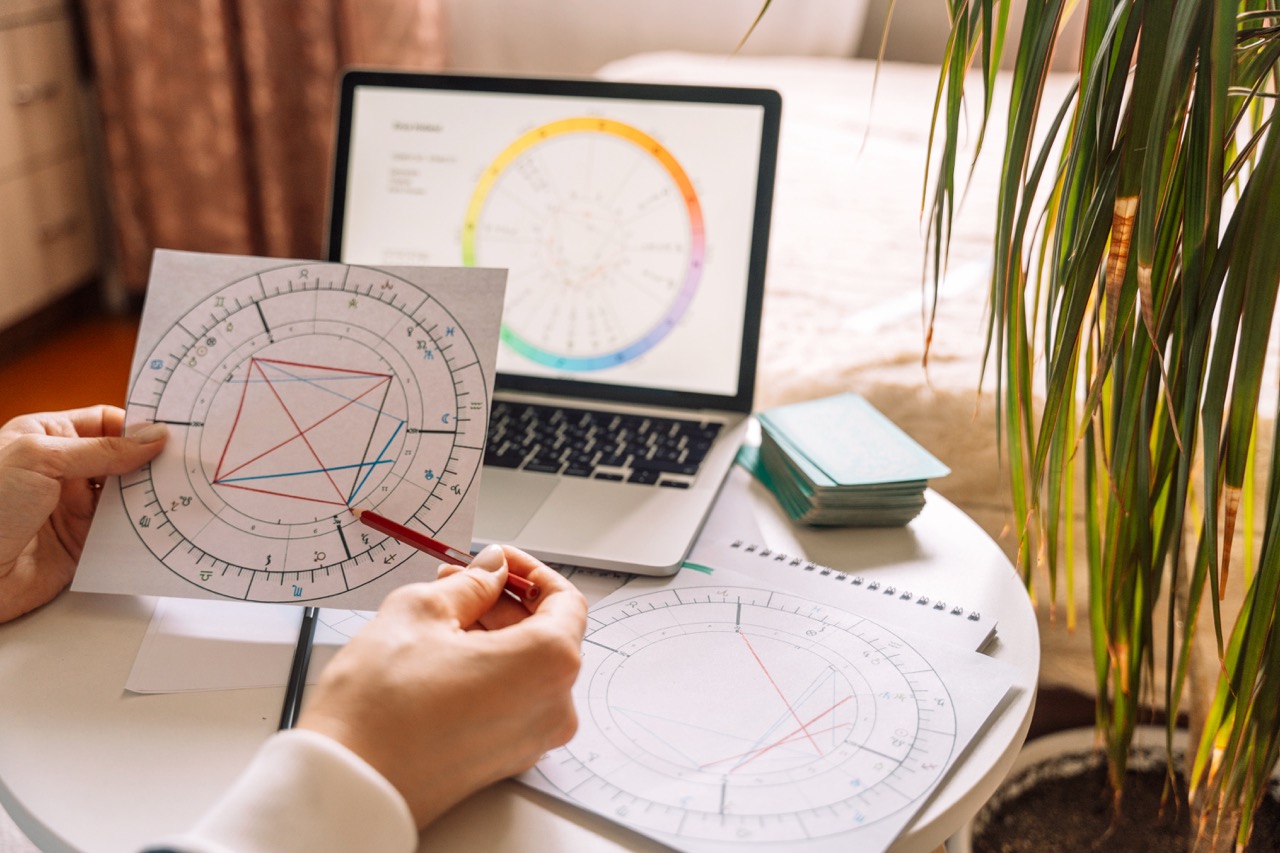
Sullivan’s approach to using birth charts goes beyond mere analysis; it invites families to engage with their astrological profiles as a roadmap for harmony and growth. By examining the family’s collective chart, members can identify strengths and challenges that may not be immediately apparent. This holistic view allows families to appreciate the unique contributions of each member while recognizing areas that may require more attention and understanding.
Creating a family birth chart can also serve as a bonding experience. Engaging in discussions about each member’s astrological placements fosters a shared sense of purpose and connection. Families can explore how different signs interact, what energies harmonize, and where they may experience friction. This collaborative exploration encourages transparency and vulnerability, paving the way for deeper emotional connections.
Ultimately, Sullivan’s insights remind us that astrology can be a powerful tool for personal and familial growth. By embracing the lessons embedded in each member’s birth chart, families can create a nurturing environment that encourages understanding, compassion, and love. Through this cosmic lens, families can learn to navigate life’s challenges together, fostering resilience and unity in the face of adversity.
===
In "The Astrology of Family Dynamics," Erin Sullivan offers profound insights into the intricate relationships that shape our lives. By applying astrological wisdom to family dynamics, we can cultivate deeper connections, navigate conflicts, and foster growth. Understanding the unique traits and energies that each family member brings to the table enables us to create a more harmonious and supportive environment. As we embrace the lessons of astrology, we embark on a journey of self-discovery and mutual understanding, enriching the bonds that tie us together. Through this cosmic exploration, we can transform our familial relationships into a source of strength and joy.