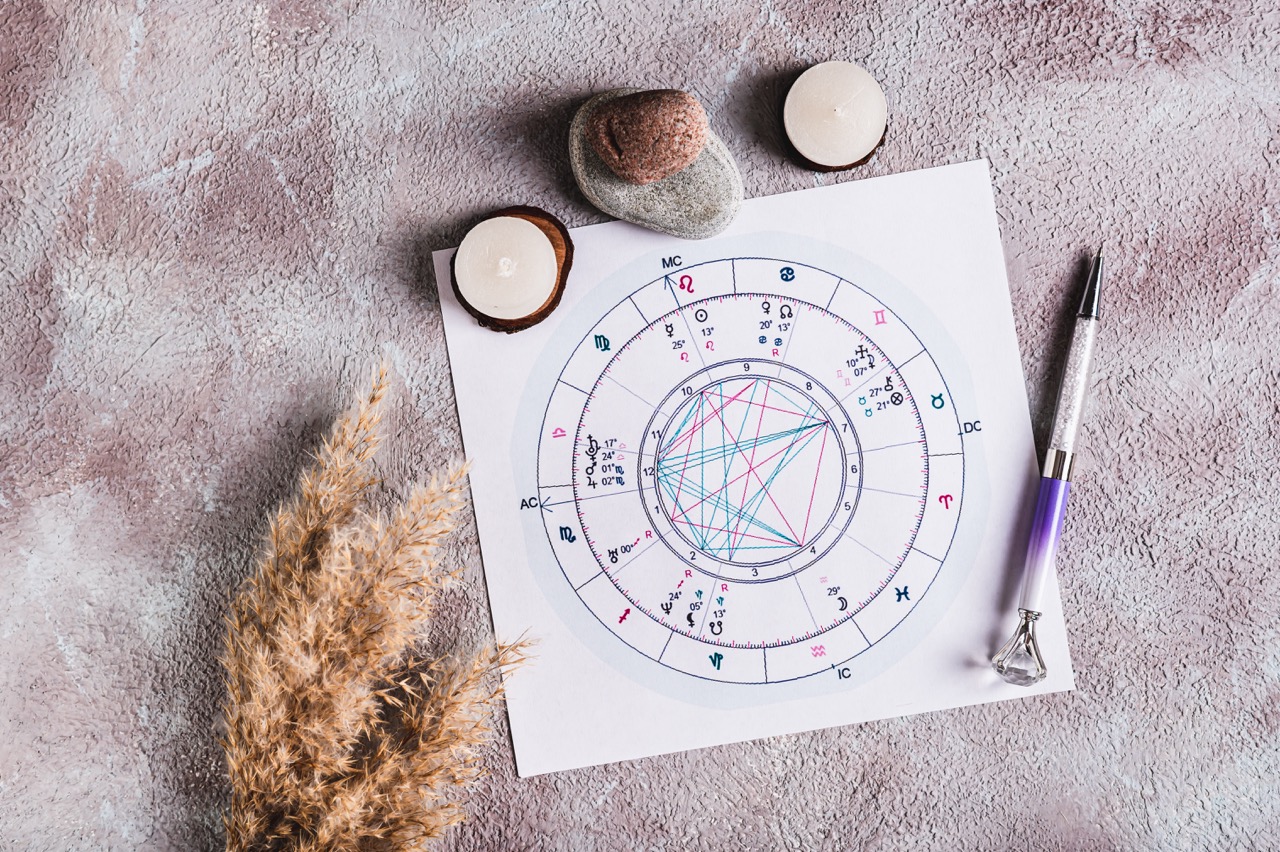

Astrology, an ancient discipline that seeks to decode the celestial patterns of the universe, offers profound insights into human behavior and experiences through planetary influences. Different traditions, such as Western and Vedic astrology, provide unique interpretations of these celestial bodies. Understanding how planets are viewed across various astrological systems not only enriches our comprehension but also allows us to leverage these insights for personal growth. In this article, we delve into the meanings of planets across different astrology traditions, offering a comparative perspective that can enhance your astrological journey.
Understanding Planetary Influences in Astrology Traditions
At the heart of astrology lies the belief that celestial bodies exert influence over our lives. Each planet is associated with specific traits, energies, and themes that resonate with our personal experiences. In Western astrology, for instance, the planets are often seen as archetypal figures that symbolize various aspects of the human psyche. Mercury may represent communication and intellect, while Venus embodies love and beauty. By interpreting these planetary influences, astrologers help individuals understand their motivations, challenges, and potential paths in life.
In contrast, Vedic astrology, rooted in ancient Indian philosophy, places a significant emphasis on the karmic implications of planetary positions. Here, the planets are viewed not only as influencers but also as teachers that guide individuals toward spiritual growth. For instance, Saturn, often perceived as a malefic planet in Western astrology, is regarded as a teacher of discipline and responsibility in Vedic traditions. This focus on karma and spiritual evolution adds a layer of depth to the understanding of planetary influences.
Moreover, the planetary meanings stretch beyond individual characteristics; they also encompass global and societal themes. For example, the movement of Jupiter may signify opportunities for growth on a collective level, while its retrograde phase can bring about introspection and reevaluation. By acknowledging these broader influences, we can better navigate our personal journeys in alignment with the cosmic rhythms.
The Role of Planets in Western and Vedic Astrology
In Western astrology, the planets are classified into two main categories: personal planets and social planets. Personal planets, such as the Moon and Mercury, directly influence individual identities and experiences. They are often depicted as the immediate forces that shape our daily lives. On the other hand, social planets like Jupiter and Saturn reflect broader societal contexts, influencing collective trends and cultural shifts. This duality allows Western astrologers to provide rich, nuanced interpretations that speak to both personal and collective experiences.
Vedic astrology, or Jyotish, adopts a slightly different approach. The planets are not only interpreted based on their placements in the zodiac but also in relation to the lunar constellations known as Nakshatras. Each Nakshatra carries unique attributes that add further depth to the planetary interpretations. For example, the Moon’s placement in a specific Nakshatra can provide insights into emotional well-being and one’s connection to family and community, highlighting the interwoven nature of planetary influences.
Both traditions emphasize the importance of planetary transits and their timing. In Western astrology, transits are crucial for predicting individual life events, whereas Vedic astrology often integrates the concept of Dasha—planetary periods that outline the life phases governed by specific celestial bodies. This distinction highlights the varied methodologies employed in interpreting the same planetary influences while offering a comprehensive framework for understanding life’s cycles.
Comparative Insights: Eastern vs. Western Planetary Meanings
When comparing Eastern and Western astrology, one can observe both overlap and divergence in planetary meanings. For instance, Mars is often associated with aggression and conflict in Western astrology, symbolizing the warrior spirit. Conversely, in Vedic astrology, Mars, or Mangal, also embodies courage and determination but emphasizes its role in overcoming obstacles and achieving success. This distinction illustrates how cultural contexts can shape interpretations of the same celestial body, offering a richer understanding of its influence.
Furthermore, the interpretation of retrogrades varies between the two traditions. In Western astrology, a retrograde period is often viewed as a time for reflection and reevaluation, suggesting that plans may be delayed or require a second look. Vedic astrology, however, may interpret retrogrades as opportunities for karmic lessons, emphasizing the need to confront past actions and their consequences. This difference encourages practitioners to approach astro-events from multiple angles, enriching their understanding of how these cosmic occurrences can manifest in their lives.
Ultimately, these comparative insights enhance the richness of the astrological practice. By exploring different interpretations, individuals can cultivate a more holistic view of their birth charts, allowing for a deeper connection to their own celestial narratives. This fusion of Eastern and Western perspectives empowers seekers to embrace the complexities of their astrological influences, guiding them toward greater self-awareness and understanding.
Applying Planetary Wisdom for Personal Growth and Insight
Understanding planetary meanings across different traditions can significantly enrich one’s personal growth journey. By recognizing the influences of each planet in one’s birth chart, individuals can gain insights into their strengths, weaknesses, and life patterns. For instance, a strong Venus placement in a chart might indicate a natural affinity for love and beauty, while a prominent Saturn could suggest lessons around responsibility and discipline. By acknowledging these influences, individuals can make conscious choices that align with their innate tendencies.
Moreover, awareness of planetary transits can offer timely guidance. For example, when Jupiter is transiting through your sign, it may be an optimal time for expansion and new opportunities, prompting you to take risks or pursue ventures you’ve been considering. Conversely, when Saturn is in retrograde, it might be a period for introspection and self-assessment, urging you to address any unresolved issues. By tuning into these cosmic rhythms, individuals can align their actions with the energies present, enhancing their experiences and outcomes.
Ultimately, astrology serves as a reflective tool that encourages personal growth and insight. By exploring the planetary meanings across different traditions, individuals are invited to embrace their unique journeys, learn from their challenges, and celebrate their achievements. This cosmic wisdom can help illuminate the path toward self-discovery, fostering a deeper connection to oneself and the universe.
In summary, the planetary meanings across different astrology traditions offer a multifaceted understanding of celestial influences. By exploring both Western and Vedic perspectives, we can appreciate the rich tapestry of interpretations that each tradition provides. This knowledge not only deepens our understanding of ourselves but also invites us to engage with the cosmos in a more meaningful way. As we navigate our lives with this astrological wisdom, may we find clarity, purpose, and a deeper connection to the stars.