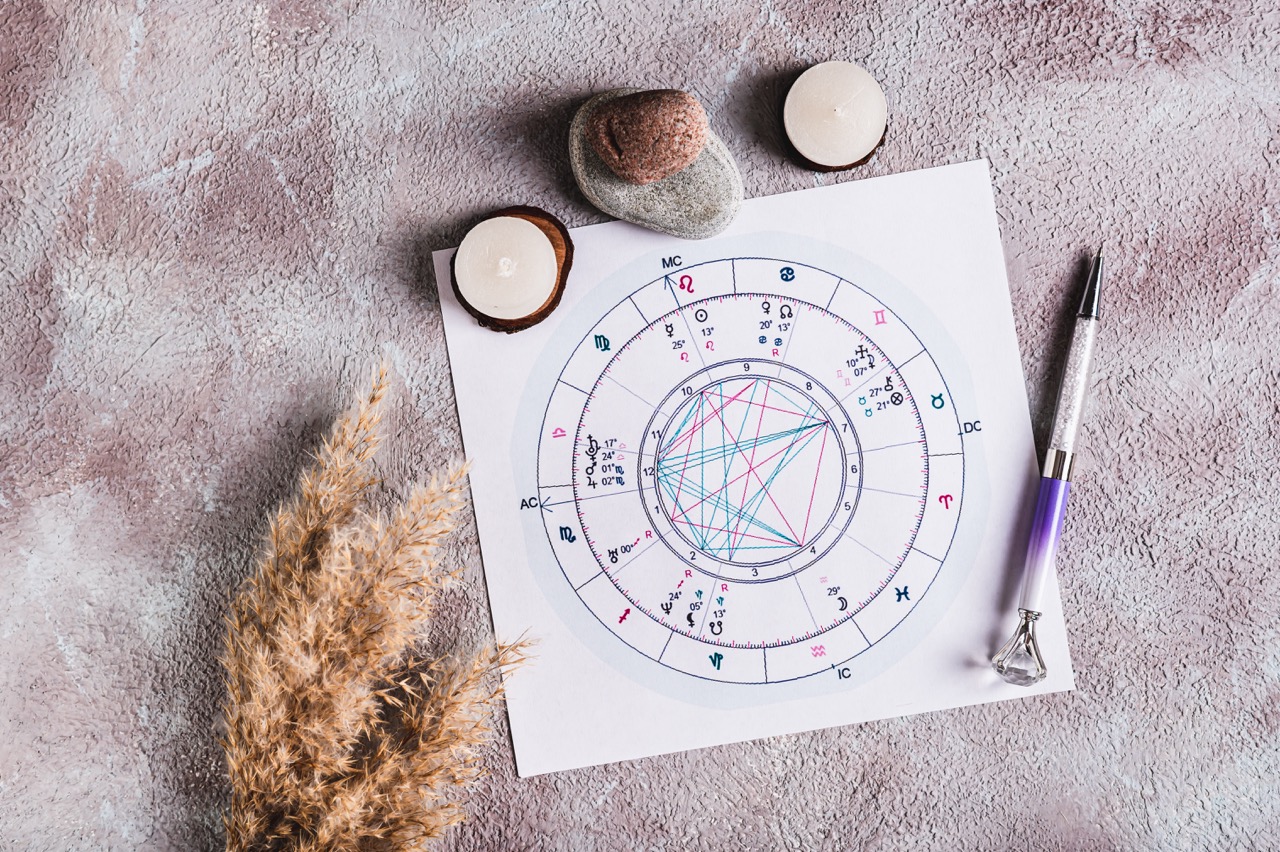

Astrology is a wondrous tapestry woven with the threads of celestial bodies and ancient myths. Understanding the meanings behind each planet can provide profound insights into our personalities, relationships, and life paths. This exploration not only illuminates the symbolic significance of planets but also connects us to the rich mythological narratives that have shaped these meanings over millennia. In this article, we will delve into the symbolic essence of each planet, uncover their mythological origins, and explore how these celestial influences can guide us in our daily lives and personal growth.
Understanding the Symbolism of Each Planet in Astrology
In astrology, each planet embodies unique energies and influences that resonate with different aspects of our lives. For instance, the Sun represents our core self, illuminating our identity and vitality. It signifies creativity and willpower, reflecting the essence of one’s being. The Moon, on the other hand, governs our emotions and instincts, revealing our inner world and subconscious. Together, these luminaries form the foundation of our astrological understanding, offering a glimpse into our inherent traits and tendencies.
Moving beyond the luminaries, the planets from Mercury to Pluto reveal a rich spectrum of influences. Mercury governs communication and intellect, symbolizing the way we express ourselves and process information. Venus, the planet of love and beauty, reflects our values, relationships, and aesthetic preferences. Mars embodies action and desire, motivating us to pursue our goals assertively. Each planet acts as a lens through which we can examine our behaviors, aspirations, and emotional responses, providing a holistic view of our astrological makeup.
As we consider the outer planets, like Jupiter and Saturn, we encounter themes of growth and limitation. Jupiter is often associated with expansion, optimism, and abundance, encouraging exploration and higher learning. In contrast, Saturn teaches us about discipline, responsibility, and the importance of boundaries. By understanding these planetary symbols, we can better navigate our lives, making informed choices that align with our true selves and the energies surrounding us.
Mythological Roots: How Legends Shape Planetary Meanings
The mythological origins of planetary meanings can be traced back to ancient civilizations that revered celestial bodies. For example, the Roman god Mars, associated with war and aggression, embodies the qualities of assertiveness and passion we attribute to the planet. Similarly, Venus, named after the goddess of love and beauty, captures the essence of relationships and attraction. These myths not only add depth to our understanding of the planets but also bridge the gap between our modern interpretations and ancient beliefs.
In many cultures, planets were seen as divine beings influencing human affairs. The Greeks referred to the gods as celestial entities that shaped destinies, while the Babylonians meticulously recorded planetary movements, believing they held the keys to understanding life on Earth. Such narratives highlight the interconnectedness between mythology and astrology, illustrating how each planet’s characteristics were crafted through stories that reflect human experiences, emotions, and aspirations.
These mythological narratives continue to resonate today, allowing us to connect with the celestial influences in a personal way. By viewing planetary energies through the lens of mythology, we can appreciate their multifaceted nature and understand how they manifest in our lives. This connection not only enriches our astrological practice but also invites us to engage with the cosmic tapestry that binds us to the universe.
The Influence of Celestial Bodies on Our Daily Lives
The planets’ movements and positions have a significant impact on our daily experiences and emotional states. For instance, during a Mercury retrograde, many people report communication breakdowns and technological mishaps. This phenomenon serves as a reminder of Mercury’s influence on our thoughts and interactions, urging us to practice patience and mindfulness during such periods. Recognizing these patterns can empower us to navigate challenges with greater awareness and clarity.
Similarly, the lunar phases offer valuable insights into our emotional landscapes. A full moon often brings heightened emotions and culminations, while a new moon signifies new beginnings and opportunities for intention-setting. By aligning our actions with these celestial rhythms, we can cultivate a deeper understanding of our emotional cycles and use them to our advantage in personal and professional realms.
Moreover, the transiting planets can trigger specific themes in our lives, leading to growth and transformation. For example, when Jupiter transits through a particular house in our birth chart, it often symbolizes an area of expansion and opportunity. By observing these transits, we can better prepare ourselves for the energies at play, allowing us to seize opportunities for growth and personal development.
Using Planetary Insights for Personal Growth and Reflection
Astrology is more than just a set of symbols; it is a profound tool for self-awareness and personal growth. By understanding the planetary influences in our lives, we can embark on a journey of self-discovery that encourages reflection and introspection. For instance, identifying how Venus manifests in our relationships can illuminate our values and desires, prompting us to cultivate healthier connections with ourselves and others.
Engaging with planetary insights also allows us to identify patterns in our behaviors and emotional responses. By exploring how Mars influences our drive and ambition, we can reflect on our motivations and adjust our actions to align with our true passions. This conscious engagement with astrological insights fosters a sense of empowerment and agency, encouraging us to take charge of our destinies.
Furthermore, utilizing planetary insights can enhance our decision-making processes. By considering the current astrological transits and how they interact with our birth chart, we can make choices that resonate with the energies surrounding us. This alignment can lead to more fulfilling experiences and greater harmony in our lives, as we learn to navigate the cosmic currents that shape our journeys.
In a world that often feels chaotic, astrology offers a pathway to understanding ourselves and the universe around us. By exploring planetary meanings and their mythological origins, we can uncover profound insights that resonate with our daily lives. Embracing these celestial influences can empower us to reflect, grow, and navigate our paths with intention and clarity. Ultimately, astrology invites us to connect with the cosmos and recognize the intricate dance between our inner worlds and the celestial rhythms that guide us.