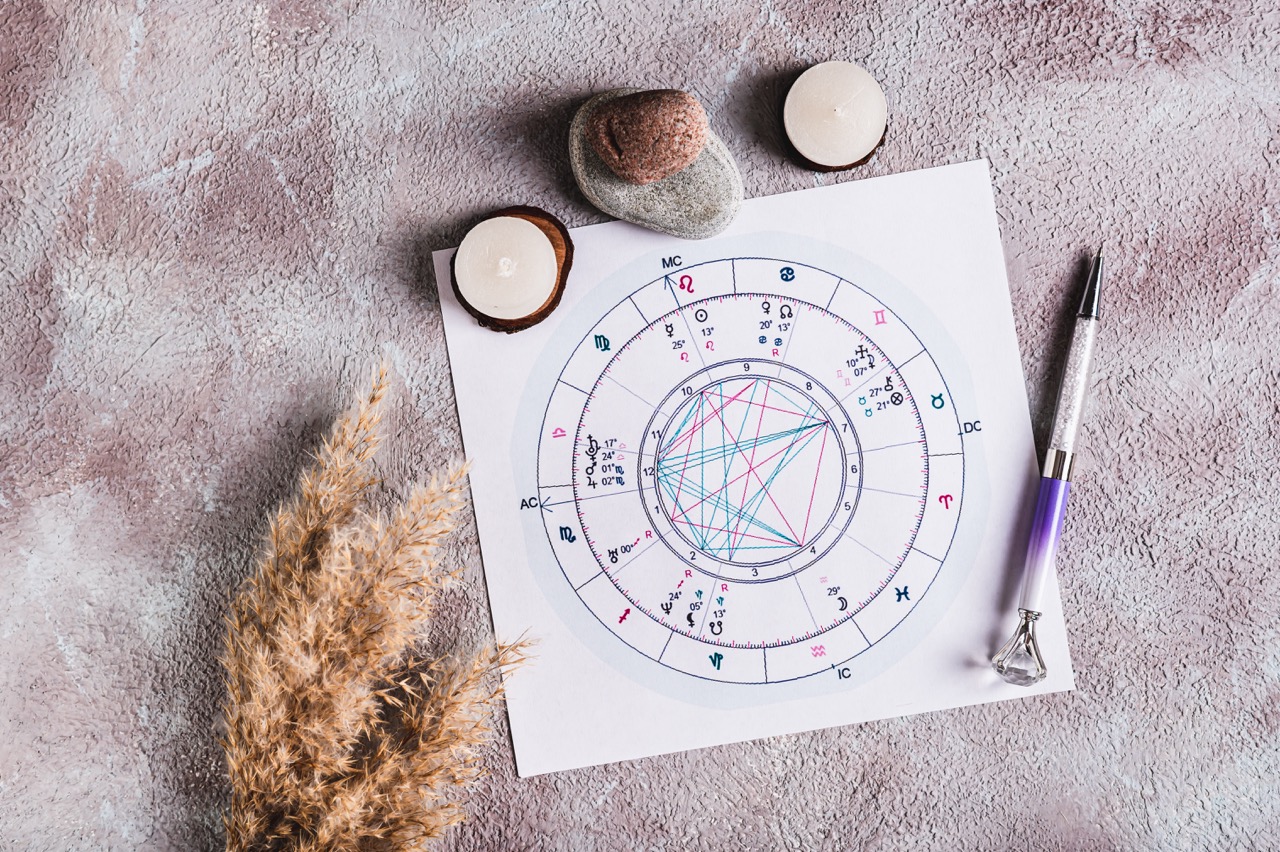

Astrology is a profound tapestry woven with the threads of celestial bodies, each with its own unique character and influence. The planets are central figures in this cosmic narrative, offering insights into the human experience, personality traits, and life’s journey. Understanding planetary meanings is essential for anyone looking to delve deeper into astrology, whether for personal growth or academic study. In this article, we will explore how planets shape our lives, the symbolism behind their influence, and how to integrate these meanings into our daily practices.
Understanding the Role of Planets in Astrology Education
In astrology, the planets are not merely celestial bodies; they are symbolic representations of various energies and traits that influence our personalities and life paths. Each planet corresponds to different aspects of life, such as communication, love, ambition, and spirituality. By studying these planetary meanings, students of astrology can better understand their own birth charts, which serve as a cosmic blueprint for personal development.
Education in astrology involves learning to interpret the positions and relationships of these planets within the zodiac. This understanding allows individuals to grasp how planetary alignments can affect their experiences and emotions. For instance, when Mercury is in retrograde, it is often associated with communication difficulties and misunderstandings, prompting individuals to reflect on their communication styles and relationships. Thus, recognizing the role of planets is fundamental to gaining a holistic understanding of astrology.
Moreover, the planets are dynamic entities, constantly moving and influencing our lives in real time. This ongoing movement creates a rich tapestry of opportunities for learning and growth. Astrology education is not just about memorizing the traits associated with each planet; it’s about cultivating an intuitive understanding of how these energies manifest in daily life. By engaging with these celestial influences, students can develop a more nuanced relationship with themselves and the world around them.
The Symbolism Behind Each Planet’s Influence in Your Life
Each planet in astrology holds distinct symbols and meanings that resonate with specific human experiences. For example, Venus represents love, beauty, and harmony, guiding individuals in matters of the heart. Its influence can reveal insights into romantic relationships, artistic pursuits, and personal values. Understanding Venus can help individuals navigate their feelings and desires more effectively, fostering deeper connections with themselves and others.
On the other hand, Mars embodies action, aggression, and courage. It encourages us to pursue our goals with determination and assertiveness. Those influenced by a strong Mars placement may find themselves driven to take risks and face challenges head-on. By exploring this planet’s symbolism, we can learn to harness its energy constructively, channeling our passions into productive endeavors rather than destructive impulses.
Additionally, the outer planets such as Uranus, Neptune, and Pluto hold a more generational influence, shaping collective experiences and societal changes. For instance, Uranus is associated with innovation and upheaval, often marking periods of significant transformation in technology and social structures. Understanding the symbolism of these planets allows us to contextualize our experiences within the broader cosmic framework, providing a sense of purpose and direction in our personal journeys.
How Planetary Alignments Shape Our Personal Growth Journey
Planetary alignments are pivotal moments that can catalyze growth and change in our lives. For instance, when Jupiter transits through a particular house in your birth chart, it often signals a time of expansion and opportunity. This may manifest as a new job, a chance for travel, or a period of newfound optimism. Recognizing these alignments enables individuals to align their actions with the energies present in the cosmos, facilitating a smoother path toward personal development.
Conversely, challenging planetary alignments, such as Saturn transits, may present obstacles or lessons that require introspection and resilience. These periods can feel heavy but are often necessary for growth and maturation. By understanding the significance of these transits, individuals can approach challenges with curiosity rather than fear, viewing them as opportunities for self-discovery and transformation.
Furthermore, tracking planetary movements allows individuals to develop a deeper connection with their own rhythms and cycles. Astrology teaches us that growth is not always linear; it ebbs and flows, much like the cycles of the moon. By becoming attuned to these cosmic rhythms, we can cultivate a more compassionate relationship with ourselves, recognizing that each phase of life serves a unique purpose in our personal evolution.
Integrating Planetary Meanings into Daily Astrological Practice
To fully benefit from the insights offered by planetary meanings, integrating these concepts into daily practices is essential. One effective method is through journaling. By reflecting on daily planetary movements and their potential impacts, individuals can gain clarity on their feelings and experiences. This practice not only deepens understanding but also fosters a sense of connection to the universe, reminding us that we are part of something larger.
Another powerful way to incorporate planetary meanings is through meditation and visualization. By meditating on the energies of specific planets, individuals can invite those qualities into their lives. For instance, meditating on the grounding energy of Saturn can help cultivate discipline and structure, while connecting with the playful spirit of Jupiter can inspire joy and abundance. This intentional focus allows us to harness planetary energies to enhance our daily lives.
Lastly, engaging with community through astrology workshops or discussion groups can enrich the learning experience. Sharing insights and interpretations with others creates a collaborative atmosphere where ideas can flourish. This communal approach not only deepens understanding but also fosters a sense of belonging, reminding us that we are all navigating our unique journeys under the same cosmic canopy.
In conclusion, understanding planetary meanings in astrology education opens a gateway to profound self-awareness and personal growth. By exploring the role of planets, their symbolism, and the influence of their alignments, we can cultivate a deeper relationship with ourselves and the universe. Integrating these insights into daily practices can transform our lives, guiding us toward our true potential and helping us navigate the intricate dance of existence. As we embrace the wisdom of the cosmos, we unlock the keys to our own inner landscapes, fostering a journey of continuous learning and discovery.