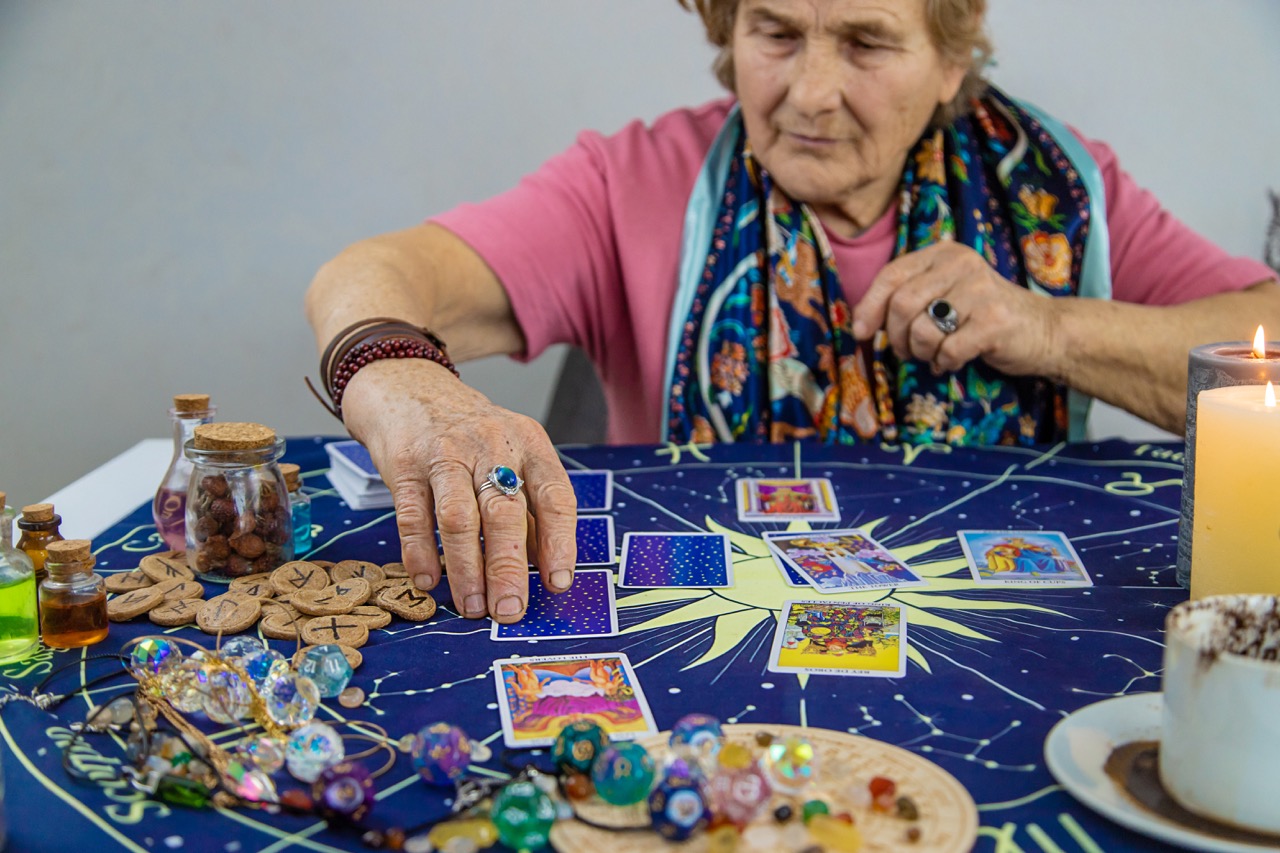
Psychic practices have woven through the fabric of human history, influencing cultures, religions, and individual lives. From ancient oracles to modern tarot readings, these practices have offered insights into the human experience, often intertwining with astrology and celestial understanding. This article explores the rich cultural history of psychic practices, revealing their ancient roots, societal influences, contemporary interpretations, and the evolving relationship between science and spirituality.
Ancient Roots: The Origins of Psychic Practices Unveiled
The origins of psychic practices can be traced back to ancient civilizations, where mystics and shamans played pivotal roles in their communities. In ancient Egypt, priests would interpret dreams and celestial events, believing they were messages from the gods. Similarly, the Greeks revered oracles, such as the famous Oracle of Delphi, where Pythia, the priestess, would channel divine wisdom through trance-like states. These early practices often involved astrology, as celestial bodies were seen as influential forces that mirrored human affairs.
Mesopotamia also contributed significantly to the development of psychic practices. The Babylonians meticulously studied the night sky, recording their observations and linking them to earthly events. This melding of astrology and psychic insight laid the groundwork for future practices, creating a belief system where celestial alignments could predict personal and collective fates. These ancient traditions not only provided guidance but also fostered a sense of connection to the cosmos, setting the stage for the continued exploration of psychic phenomena.
As societies evolved, so did their approaches to psychic practices. In many cultures, these practices transitioned from formal institutions to more personal experiences. The shift from communal rituals to individual intuition reflects humanity’s growing understanding of the self and the universe. This evolution showcases how psychic practices have always adapted, serving as a mirror to the changing human condition.
Cultural Influences: How Societies Shaped Psychic Beliefs
Throughout history, societal values and cultural narratives have significantly shaped psychic beliefs. In medieval Europe, for example, the intertwining of astrology with Christian theology led to a complex relationship with psychic practices. While some practitioners were revered, others faced persecution, illustrating the duality of acceptance and skepticism that has historically characterized these beliefs. The Renaissance ushered in a renewed interest in astrology and divination, as scholars sought to reconcile ancient wisdom with emerging scientific thought.
In Eastern cultures, particularly in India and China, psychic practices developed along different lines. In Hinduism, the concept of jyotish, or Vedic astrology, has been integral to personal and spiritual growth. Similarly, Chinese practices like feng shui and I Ching emphasize harmony and balance, reflecting a deep connection to nature and the cosmos. These cultural influences highlight how psychic practices have often been employed as tools for understanding one’s place in the universe and navigating life’s complexities.
The impact of colonization and globalization has further transformed psychic practices worldwide. As cultures have interacted and exchanged ideas, new forms of divination and psychic insight have emerged. This blending of traditions has enriched the landscape of psychic practices, allowing for a more inclusive understanding of how different societies interpret the mystical and the unknown.
Modern Interpretations: Psychic Practices in Today’s World
In today’s fast-paced world, psychic practices have found a renewed popularity, often serving as a source of comfort and guidance for many. With the rise of the internet, individuals have unprecedented access to a variety of psychic services, from tarot readings to astrology consultations. This democratization of psychic insight reflects a growing desire for self-exploration and personal empowerment, as people seek to understand themselves and their paths in life.
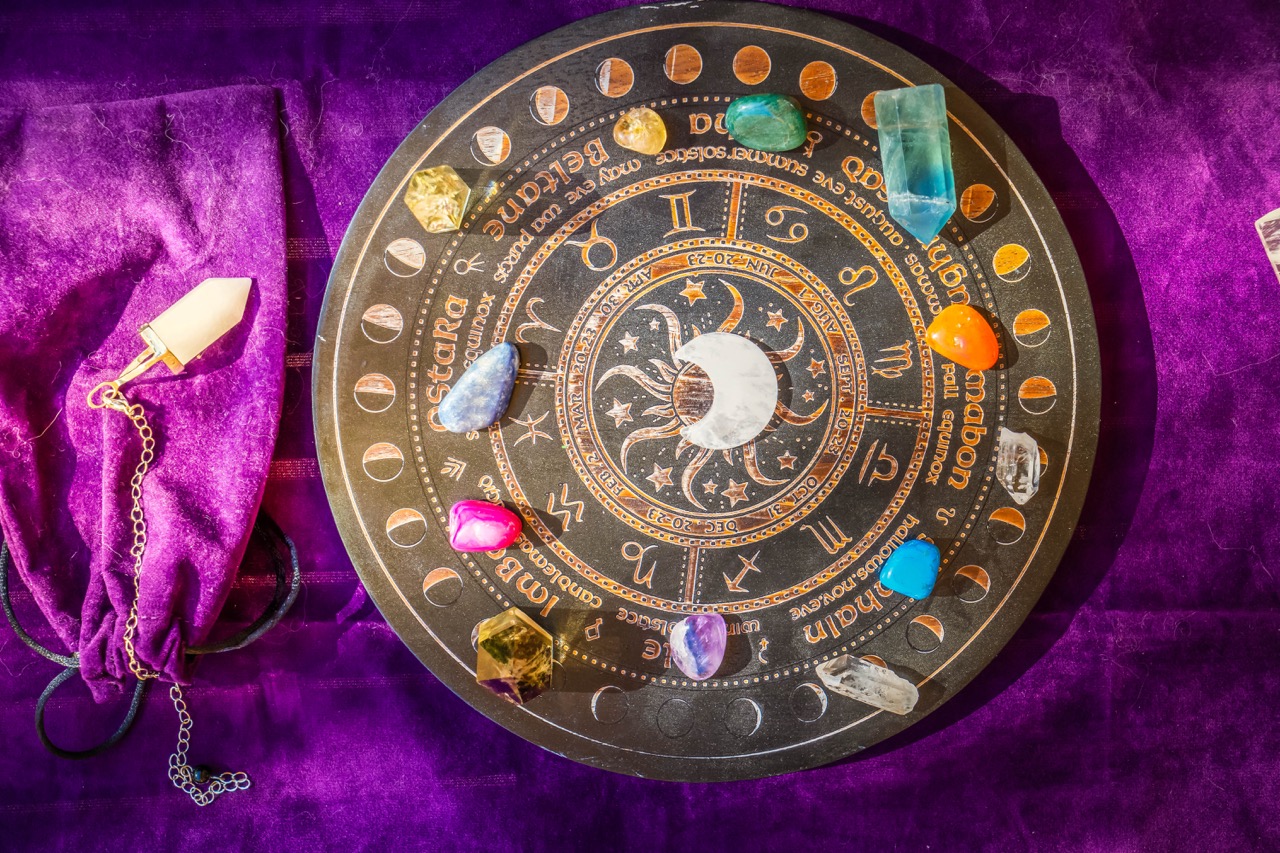
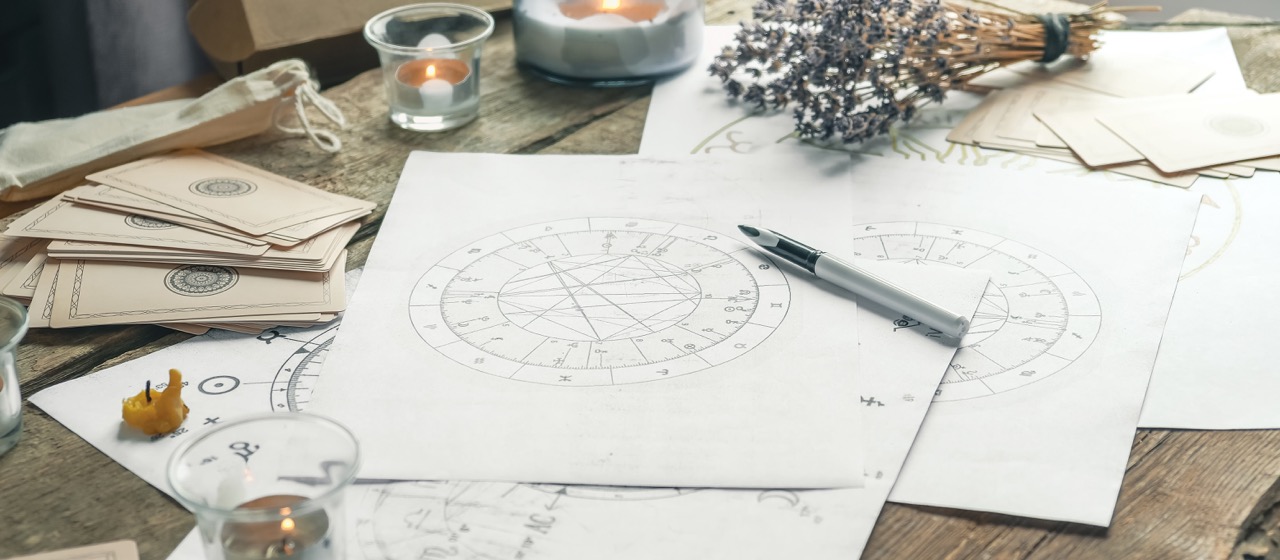
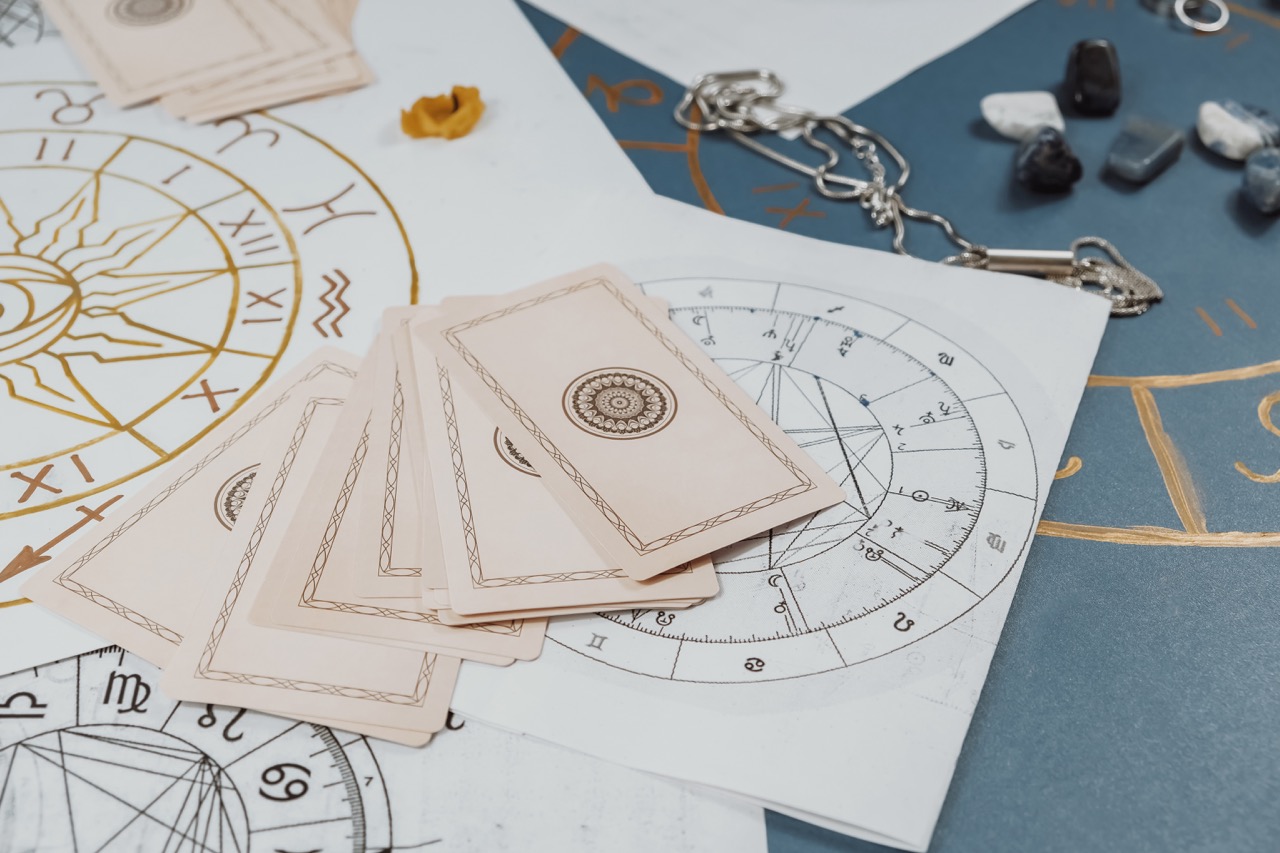
Astrology, in particular, has gained traction as a tool for self-awareness. Many individuals utilize birth charts to gain insights into their personality traits, challenges, and potential. The language of the stars has become a means of fostering self-reflection and personal growth, bridging the gap between ancient wisdom and modern life. This resurgence demonstrates a collective yearning for connection, understanding, and guidance amid uncertainty.
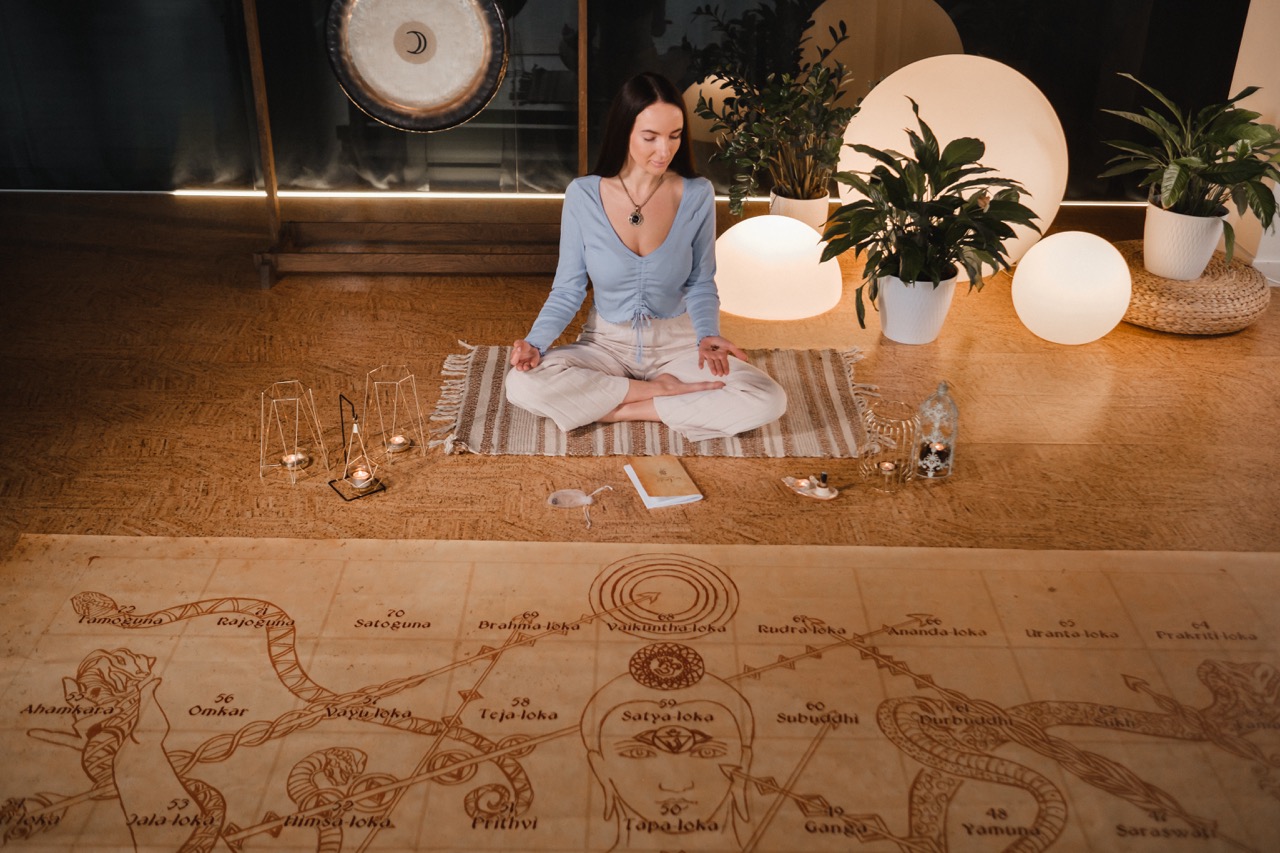
Moreover, contemporary psychic practices often emphasize mindfulness and intuition, encouraging individuals to trust their instincts and inner wisdom. Workshops, online courses, and social media communities have emerged, fostering a sense of belonging among those exploring these mystical dimensions. As more people engage with psychic practices, the conversation around them becomes richer and more nuanced, inviting a deeper exploration of their meaning and significance.
Bridging Science and Spirituality: A New Perspective on Psychic Insights
The relationship between psychic practices and science has been a contentious one, yet recent explorations suggest a potential for harmony. While traditional scientific frameworks often dismiss psychic phenomena, a growing number of researchers are investigating the psychological and neurological aspects of intuition and extrasensory perception. This intersection invites a broader understanding of consciousness, prompting questions about the nature of reality and the limits of human perception.
As society becomes increasingly open to alternative modalities, the integration of psychic insights with scientific inquiry offers a unique perspective. For instance, studies on meditation and mindfulness have shown positive effects on mental health, echoing the benefits often cited by practitioners of psychic arts. This convergence suggests that the insights gained from psychic practices may have tangible effects on well-being, validating experiences that were once relegated to the realms of superstition.
Ultimately, bridging science and spirituality allows for a more comprehensive understanding of the human experience. By acknowledging the validity of both perspectives, individuals can explore psychic practices as tools for personal growth while remaining grounded in scientific inquiry. This evolving dialogue fosters an environment where intuition and intellect can coexist, enriching our understanding of ourselves and our place in the cosmos.
The cultural history of psychic practices reveals a tapestry of beliefs that have shaped human experience across time and space. From ancient oracles to modern astrology, these practices continue to provide insights and connections to the cosmos, inviting us to explore our own paths. As we navigate the complexities of contemporary life, embracing both the mystical and the empirical can offer a profound understanding of ourselves and the universe. By engaging with these practices thoughtfully, we open ourselves to the possibility of growth, reflection, and a deeper connection to the cosmic dance that surrounds us.