Planetary symbolism has long been a profound aspect of human understanding, offering insights into our behaviors, emotions, and life paths. Rooted deeply in ancient cultures, these celestial interpretations have evolved over millennia, reflecting both our cosmic environment and our internal landscapes. By exploring the cultural roots of planetary symbolism, we can better understand how these celestial bodies influence our lives and contribute to our personal growth and self-awareness.
Understanding the Origins of Planetary Symbolism in Culture
The origins of planetary symbolism can be traced back to ancient civilizations that observed the night sky with wonder and reverence. The Babylonians, Greeks, and Egyptians, among others, began to attribute specific meanings to the planets based on their observable behaviors and positions. For instance, the bright and swift movement of Mercury led to its association with communication and intellect, while the slow, steady orbit of Saturn was linked to discipline and structure. These early observations laid the groundwork for astrological frameworks that would shape human understanding for centuries to come.
In many ancient cultures, planets were often personified as gods or divine figures, reflecting the belief that celestial bodies had direct influence over human affairs. For example, Venus was associated with love and beauty, embodying the characteristics of the goddess it was named after. This anthropomorphism allowed people to connect their personal experiences to larger cosmic patterns, fostering a sense of unity between humanity and the universe. As these stories and interpretations traveled across cultures, they became woven into the fabric of societal beliefs and practices, enriching the symbolism attached to each planet.
As astrology spread through different cultures, it absorbed local customs and interpretations, further enhancing its complexity. The blending of influences from various civilizations nurtured a rich tapestry of planetary symbolism—each culture adding its unique lens through which to view the cosmos. Today, this historical depth continues to inform modern astrology, allowing individuals to connect with the planets in a way that transcends time and cultural boundaries.
The Influence of Ancient Civilizations on Astrology Today
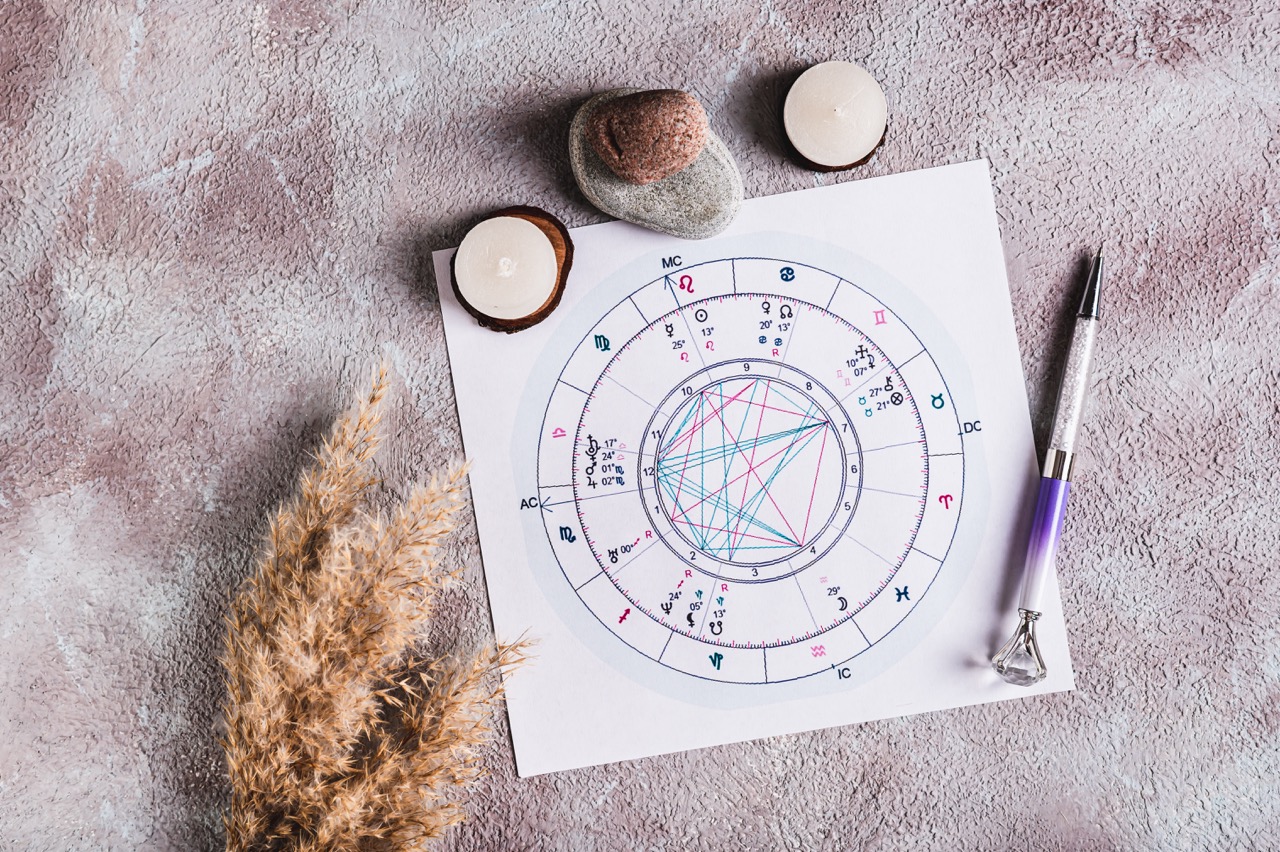
The foundational work of ancient civilizations has profoundly influenced contemporary astrology, shaping how we interpret planetary positions and their meanings. While the basic associations remain largely consistent, the nuances and interpretations have evolved. For instance, the ancient Greeks further developed Babylonian astrological ideas, introducing concepts like the zodiac and natal charts, which remain central to modern practice. This evolution reflects the ongoing quest for understanding the self in relation to the cosmos.
Moreover, the philosophical underpinnings of ancient civilizations continue to resonate in today’s astrological interpretations. The Greeks’ emphasis on harmony and balance, for instance, can be seen in the way we analyze planetary aspects and transits. The belief that the cosmos reflects our inner lives encourages us to look beyond mere fortune-telling, inviting us to engage in a deeper exploration of our personalities, challenges, and potentials. This philosophical approach bridges ancient wisdom with contemporary self-reflection, making astrology a tool for personal growth.
The global exchange of astrological ideas has also enriched modern practices. Eastern philosophies, such as those from Vedic astrology, emphasize different aspects of planetary influence, offering diverse perspectives that complement Western interpretations. This cultural interplay not only broadens our understanding of the planets but also invites us to find commonalities in our shared human experience, reinforcing the idea that we are all interconnected within the cosmic framework.
How Planetary Archetypes Reflect Human Experience and Growth
Planetary archetypes serve as mirrors to our human experience, resonating with our emotions, desires, and challenges. Each planet embodies distinct qualities that reflect various aspects of life. For example, Mars represents assertiveness and drive, while Neptune symbolizes dreams and spirituality. By exploring these archetypes, individuals can gain insights into their own strengths and weaknesses, using this understanding for personal development.
In astrology, the planets are not just celestial bodies; they are dynamic forces that influence our psychological patterns. The energy of each planet can manifest differently in our lives, depending on its placement in our birth charts. For instance, a strong Venus influence might enhance one’s ability to form loving relationships, while a prominent Saturn could indicate a lifelong journey of discipline and responsibility. Recognizing these patterns helps individuals embrace their unique paths and encourages proactive growth.
Moreover, as we navigate various life phases, the planetary energies can serve as guides, illuminating potential challenges and opportunities for growth. By aligning with the rhythms of the cosmos, we can cultivate self-awareness and resilience. This journey of understanding our planetary archetypes not only fosters personal growth but also deepens our connection to the universe, reminding us that we are part of a greater cosmic story.
Connecting Cosmic Patterns to Everyday Life and Self-Awareness
Astrology offers powerful tools for connecting cosmic patterns to our everyday lives, facilitating a deeper understanding of ourselves and our relationships. By observing the movements of the planets and their transits, we can identify key themes and cycles that resonate with our experiences. For instance, a retrograde period may prompt introspection and reevaluation, while a new moon might signal new beginnings. By tuning into these celestial rhythms, we can navigate life with greater clarity and intention.
The practice of astrology invites us to reflect on our emotional and behavioral patterns, fostering a sense of self-awareness. When we understand how planetary energies influence our moods, decisions, and interactions, we can make more informed choices. For example, recognizing the impact of a Venus transit on our relationships may encourage us to express love and gratitude more freely, enhancing our connections with others. This conscious awareness empowers us to respond to life’s challenges with grace and resilience.
Furthermore, astrology encourages a holistic view of our lives, integrating various dimensions of our existence—emotional, mental, and spiritual. By recognizing the interconnectedness of our experiences with cosmic patterns, we cultivate a sense of purpose and belonging. This perspective not only enriches our personal journeys but also fosters empathy and understanding toward others, reminding us that we are all navigating the same celestial landscape together.
The cultural roots of planetary symbolism provide a rich tapestry that informs our understanding of astrology today. As we engage with these cosmic archetypes, we uncover layers of meaning that resonate with our personal experiences and growth. By connecting the dots between the celestial and the everyday, we invite astrology to be a guiding force in our lives—a tool for self-awareness, reflection, and transformation. Embracing these cosmic insights allows us not only to understand ourselves better but also to appreciate the intricate dance of life that unfolds in harmony with the universe.