
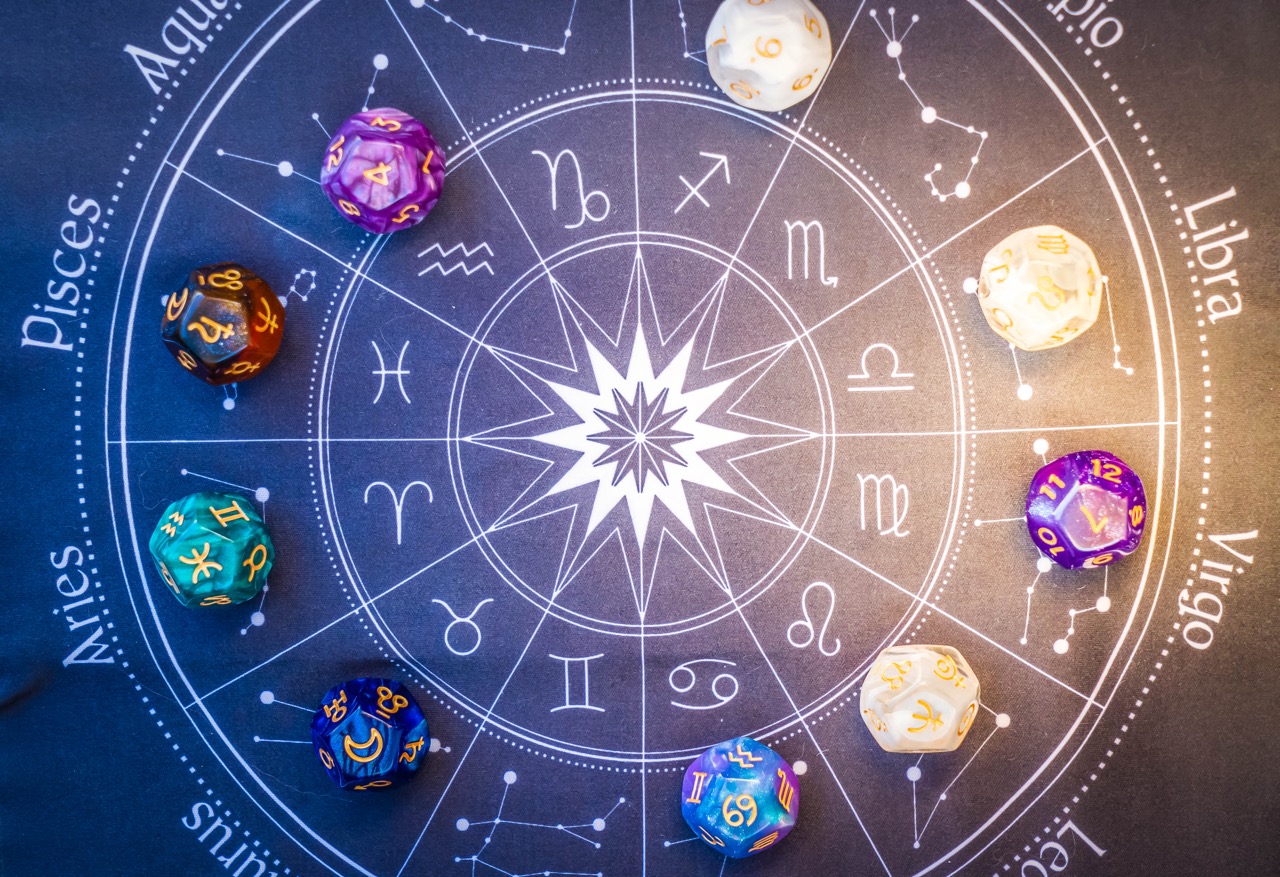
Astrology serves as a cosmic map guiding us through the intricacies of life. Central to this map are the planets, which play distinct roles in shaping our personalities and experiences. In astrology, planets are categorized into two primary groups: personal planets and outer planets. Each group carries its unique influence on our lives, often reflecting different aspects of our journey. This article will unravel the differences between personal and outer planets, shedding light on how they affect our individual lives and the collective human experience.
Understanding Personal Planets: Your Inner Cosmic Influencers
Personal planets are those closest to Earth in the solar system, including Mercury, Venus, Mars, the Moon, and the Sun. These celestial bodies orbit the Sun relatively quickly, influencing our immediate, personal feelings, thoughts, and behaviors. For example, Mercury governs communication and intellect, while Venus influences love, beauty, and relationships. The Moon, linked to our emotional world, shapes our instincts and subconscious patterns.
The impact of these planets is often felt immediately, as they represent our core selves. When analyzing a birth chart, personal planets reveal how we express our individuality and navigate daily life. They highlight our immediate reactions, preferences, and emotional responses, providing a glimpse into how we connect with the world around us. In essence, personal planets serve as the foundation of our astrological identity, offering insight into our innate tendencies and desires.
Moreover, personal planets move through the zodiac relatively quickly, allowing their influences to change frequently. This dynamic nature means that as these planets transit through different signs, they can alter our experiences and perceptions in real-time. Understanding the role of personal planets can empower us to navigate life’s challenges with greater awareness, allowing us to align our actions with our true selves.
Exploring Outer Planets: The Forces Beyond the Self
In contrast to personal planets, outer planets—Jupiter, Saturn, Uranus, Neptune, and Pluto—move more slowly and have a broader, generational impact. These planets represent larger themes and societal shifts, reflecting the collective experiences of humanity rather than individual personalities. For instance, Jupiter is associated with expansion and growth, while Saturn embodies discipline and structure. These outer planets signify lessons that extend beyond personal growth, addressing the evolution of society and culture.
Outer planets take longer to complete their orbits, which means their influence is felt over extended periods, often spanning decades. This slow movement allows them to shape the zeitgeist—a term that refers to the spirit of the times. The transits of these planets can indicate significant societal changes and collective challenges, such as the rise and fall of political regimes or shifts in cultural values. By understanding the nature of outer planets, we can better comprehend the larger cycles of history and how they impact our lives.
Furthermore, the interplay between personal and outer planets creates a rich tapestry of astrological influences. While personal planets guide our day-to-day experiences, outer planets remind us that our lives are part of a more extensive cosmic narrative. This interplay encourages us to consider how our individual experiences relate to the broader societal context, fostering a sense of connection and understanding within a rapidly changing world.
The Role of Personal Planets in Birth Charts Explained
In a birth chart, personal planets offer profound insights into our emotional landscape and personality traits. The Sun’s position reveals our core essence, while the Moon tells us about our emotional needs and instincts. Meanwhile, Mercury showcases our communication style and intellectual pursuits. Each personal planet contributes a piece to the puzzle of who we are, helping us understand our motivations, desires, and how we interact with others.
For instance, someone with a strong Venus influence may find fulfillment in relationships, art, and beauty, while a person with a prominent Mars placement might be driven by ambition, assertiveness, and a desire for action. By examining the positions of these personal planets in a birth chart, individuals can gain clarity on their strengths, weaknesses, and inherent tendencies. This self-awareness can guide them in making choices that align with their authentic selves.
Moreover, personal planets can reveal potential areas for growth. By understanding how these influences interact with each other, individuals can work on their challenges and enhance their strengths. This journey towards self-discovery can lead to meaningful personal development, allowing individuals to navigate life with greater confidence and purpose.
How Outer Planets Shape Generational Trends and Changes
Outer planets act as markers of generational trends, reflecting the collective consciousness and societal transformations that occur over time. For example, when Uranus transits through a sign, it often signals a period of innovation and upheaval, prompting shifts in technology, culture, or social norms. Similarly, Neptune’s influence can evoke themes of spirituality, dreams, and mass movements, impacting the collective psyche in profound ways.
The effects of outer planets are far-reaching and can shape entire generations. For instance, those born during the transit of Pluto through Scorpio may share a similar intensity and passion for transformation, as this planet deals with themes of power and renewal. Understanding these generational influences can provide valuable context for societal behaviors and trends, helping individuals connect their personal experiences to larger historical narratives.
Additionally, recognizing the influence of outer planets can empower us to participate actively in societal changes. As we become aware of the patterns and lessons associated with these planets, we can align our actions with the collective evolution, fostering a sense of shared purpose and responsibility. This awareness invites us to contribute positively to the world around us, using astrology as a tool for both personal and collective growth.
In summary, the distinction between personal and outer planets illustrates the intricate relationship between our individual lives and the larger cosmic forces at play. While personal planets offer profound insights into our immediate experiences and emotional landscape, outer planets guide us through the broader societal changes that shape our world. By understanding the roles of both types of planets, we can cultivate greater self-awareness and connection to the collective human experience. As we navigate our journeys, astrology serves as a valuable tool, reminding us that we are part of a greater cosmic tapestry, woven together by the celestial rhythms that influence our lives.